
December 2025
Friday 12 December
Welcome to my December blog.
I invite you to a take a moment to pause, look back and celebrate an extraordinary year in which La Trobe has both honoured its founding mission and boldly stepped into the future.
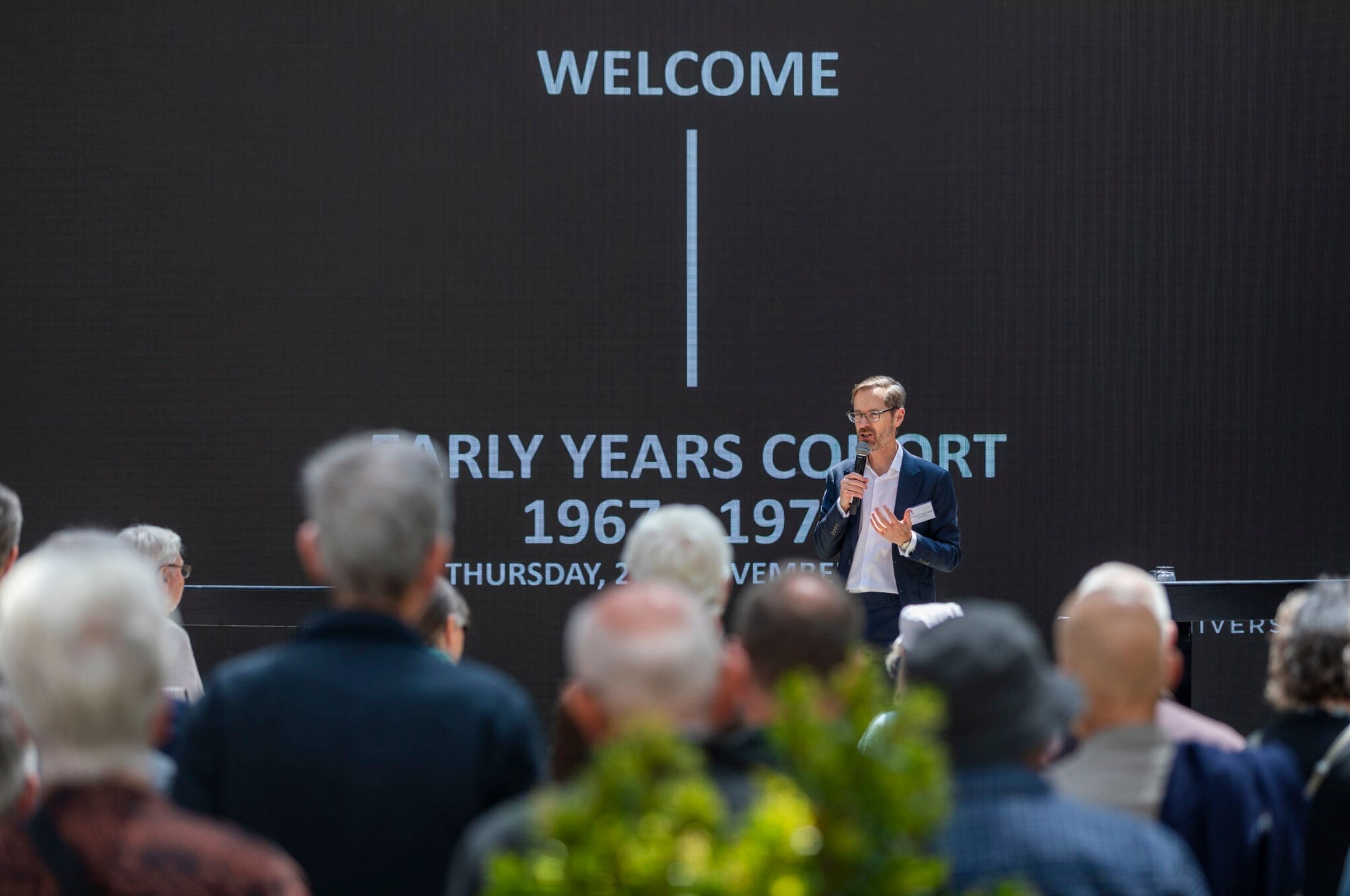
Across 2025, our university has shown what it means to modernise with purpose: embracing new technologies and new ways of learning while deepening our commitment to excellence, inclusion and equity. That message was brought home powerfully for me last month when I joined 160 alumni from our 1967-1975 cohorts. Listening to their stories, I was reminded that while our campuses, our capabilities and even our computers have transformed beyond imagination, the heart of La Trobe – our people, our values and our sense of community – remains as strong and distinctive as ever.
One of the most inspiring aspects of 2025 has been the way we continued to live our founding mission: to widen participation and support every learner to succeed. This year, our exceptional Tertiary Preparation Program team received national recognition for innovation in student-centred learning at the Australian Awards for University Teaching. We expanded our physical presence to meet the needs of fast-growing communities across Melbourne’s north, opening new Suburban University Study Hubs in Broadmeadows and Epping. We also expanded our incredibly successful Regional Pathways Program with backing from philanthropic donors. And we launched a series of new scholarships to support regional students, with the University committing up to $1 million to match philanthropic donations dollar for dollar, which has already resulted in a generous gift of $300,000.
2025 was also a defining year for modernising our infrastructure and the way we work. We launched our AI-first program, including our Responsible AI Adoption Strategy in partnership with Microsoft and CyberCX. And La Trobe became the first Australian university to commission the NVIDIA DGX H200 supercomputer, a leap in capability that is powering the Australian Centre for AI in Medical Innovation (ACAMI) on our Bundoora campus.
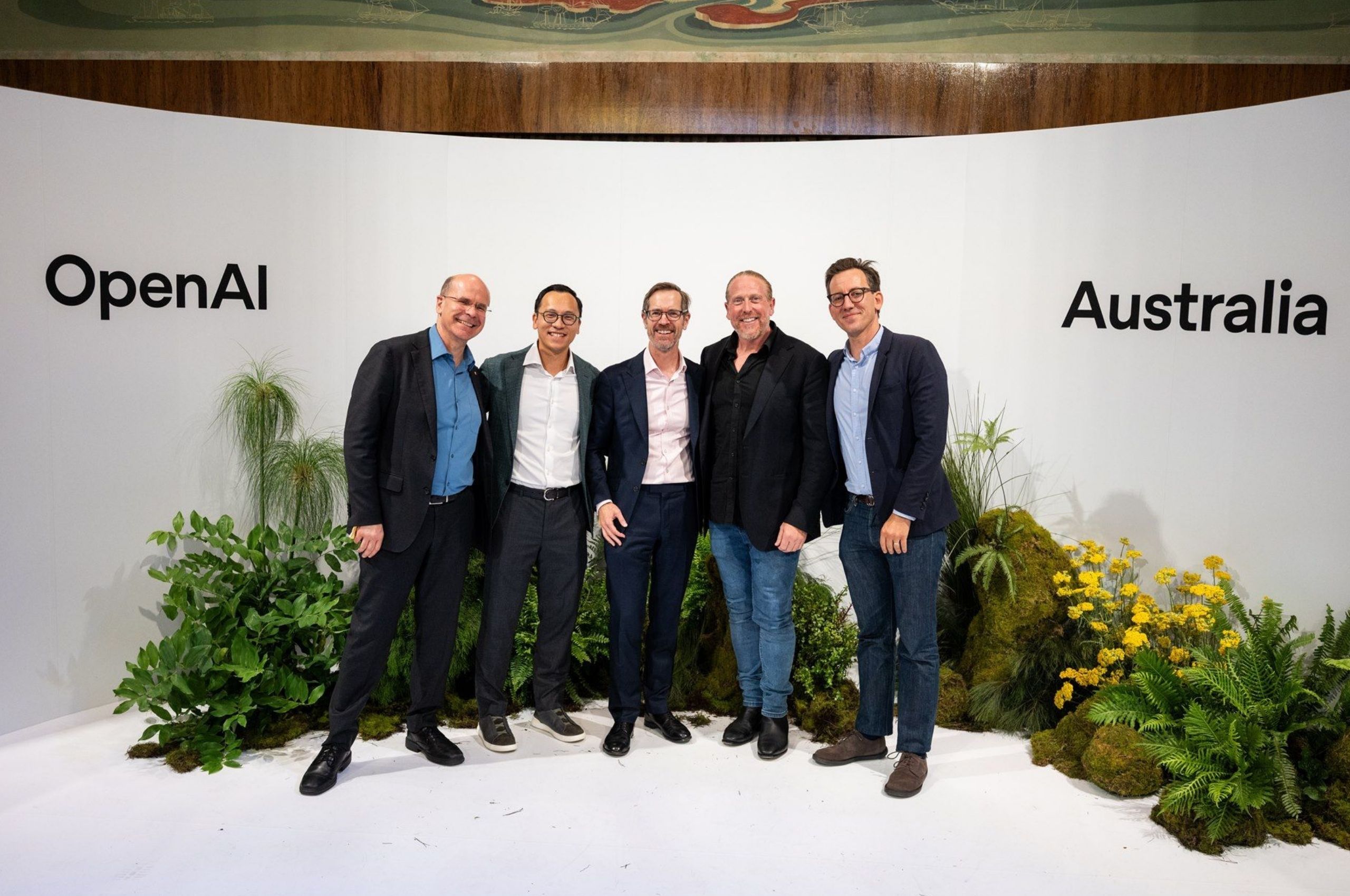
Our new collaboration with OpenAI marks another major milestone. Through this partnership, we will deploy ChatGPT Edu at scale over the next two years, offering every student and staff member free access to advanced AI tools, as well as embedding OpenAI’s Codex and AgentKit tools in our curriculum and launching Australia’s first AI MBA. Universal access to ChatGPT is how we will ensure that everyone in our University community is supported to thrive in an age that is being rapidly reshaped by AI. This work also positions La Trobe as a genuine lighthouse institution for digital transformation and as Australia’s foremost AI-first university.
It is remarkable to think that when our first students arrived in the late 1960s, La Trobe owned just one computer: an 18-bit PDP-9 with 8,000 words of memory. Today, the DGX H200 offers roughly 50 billion times more processing power. The team at ACAMI will harness this capability to halve drug-development times and accelerate breakthroughs in diseases such as cancer. The scale of that progress, from one small machine in a basement to world-leading medical AI, is a powerful symbol of how far we have come.
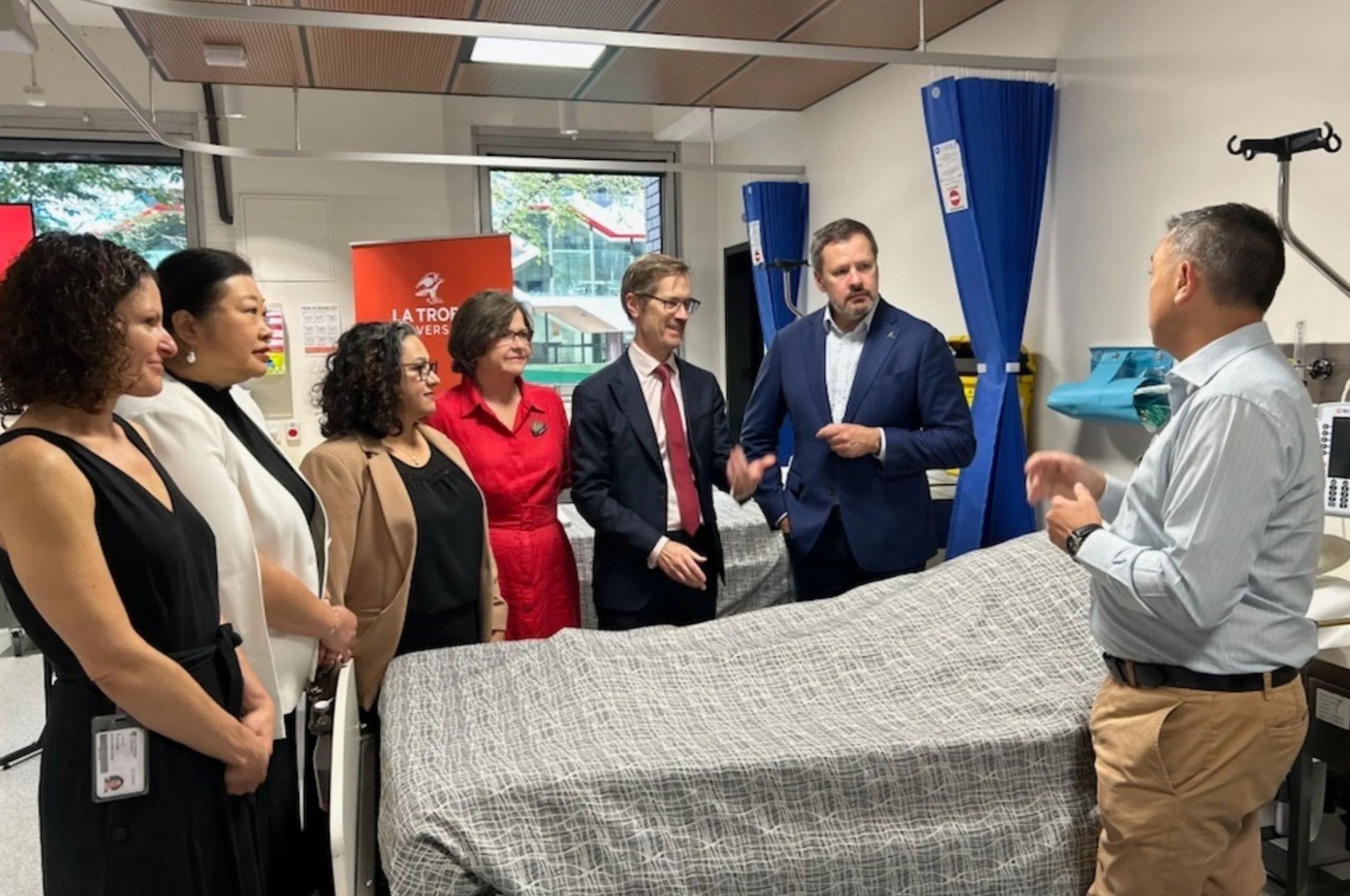
We also made major investments this year to upgrade our teaching environments, with new state-of-the-art clinical nursing laboratories across our campus network and the opening of the Education Practice Lab in Bundoora. These facilities are not simply new buildings; they are platforms that enable better learning outcomes for the students and industries who rely on us.
Our researchers had a landmark year as well. We achieved exceptional results in ARC and health and medical funding rounds, and launched several significant new research centres. Highlights include the $129 million Care Economy Cooperative Research Centre; two new ARC Industrial Transformation Research Hubs in protected cropping and molecular biosensors, respectively; and launching the La Trobe University Centre for Global Security under the leadership of Bec Strating. Each of these initiatives will shape national capability and deliver real-world impact for years to come.
In global rankings, La Trobe retained its place in the world’s top 250 universities in the QS World University Rankings, placing 233 out of 1,500 institutions. We also maintained our strong position in the Times Higher Education rankings for a fourth consecutive year. Equally significant is how we are seen through the lens of societal impact: in 2025, La Trobe was ranked top 20 globally and first in Australia for the UN Sustainable Development Goal addressing food security (SDG2), and inside the top 50 globally for health and wellbeing (SDG3) and gender equality (SDG5).
These results affirm something profoundly important – that at La Trobe, excellence and inclusion are not competing imperatives; rather, they reinforce and elevate each other.
September marked a powerful moment in our mission to unite excellence with inclusion, when we held an inspiring panel discussion to launch our Equity, Diversity and Inclusion (EDI) Strategy. As we move forward in our EDI journey, we call on the courage, curiosity and kindness that already define La Trobe to help us bring this vision to life.
This year we also launched our Strategic Plan 2025–2030, which places La Trobe’s distinctive character at its core: a university that combines academic excellence with deep social purpose and that serves both metropolitan and regional communities with equal commitment. It is a strategy that aligns closely with the Australian Universities Accord, which envisions doubling the number of students in higher education by 2050. This scale of growth can only be achieved by raising higher education participation; in other words, by doing what La Trobe already does so effectively to serve the growing suburbs of Melbourne’s north and communities across regional Victoria, and drive our ambition to be a university for all.
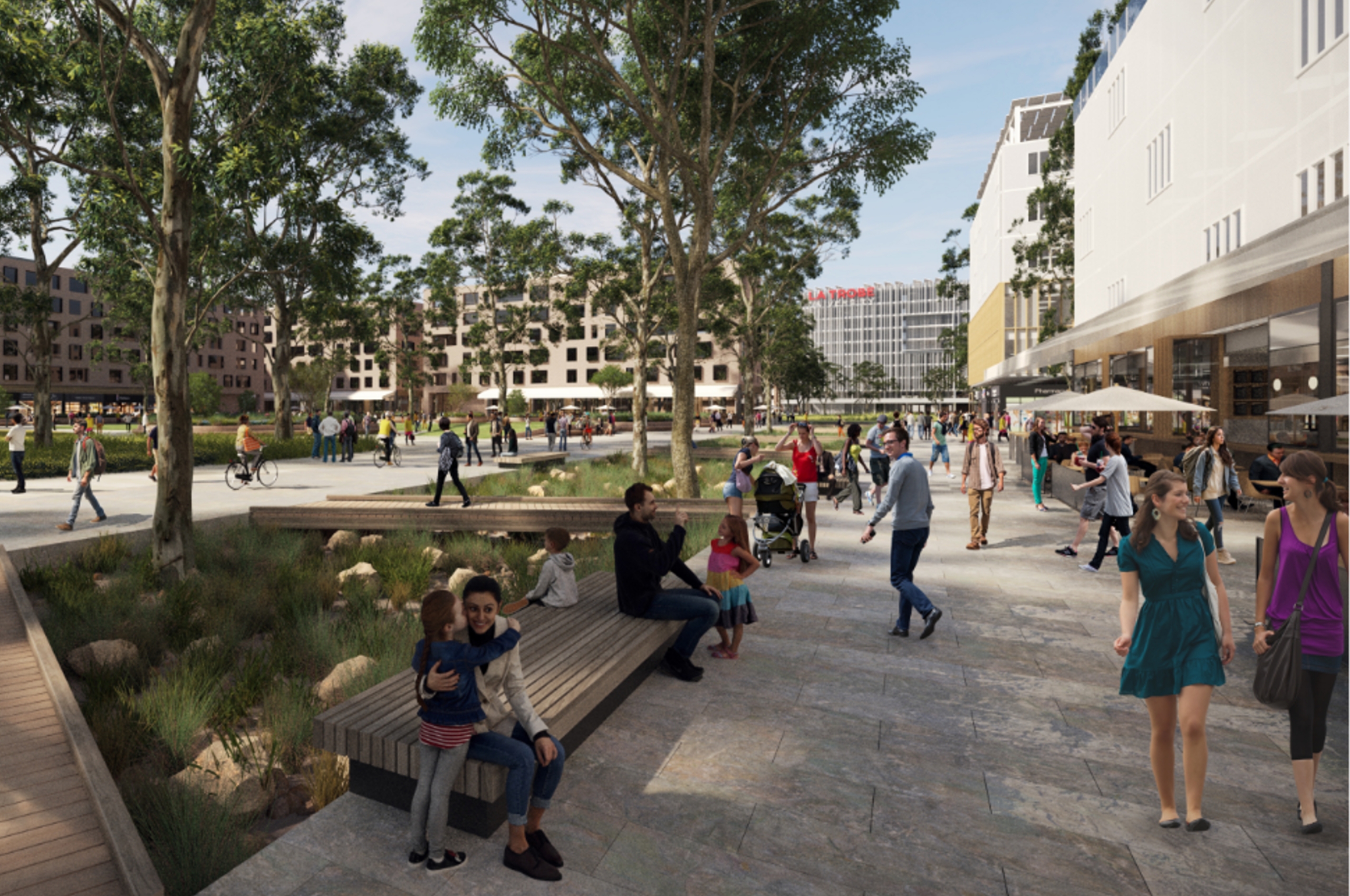
And in this same spirit, in November we launched the masterplan to transform our Bundoora campus into a University City. The project is a centrepiece in our mission to break down the walls of the university and bring the community onto campus to experience everything we have to offer and to drive industry partnerships, innovation, skills development, and student participation and achievement.
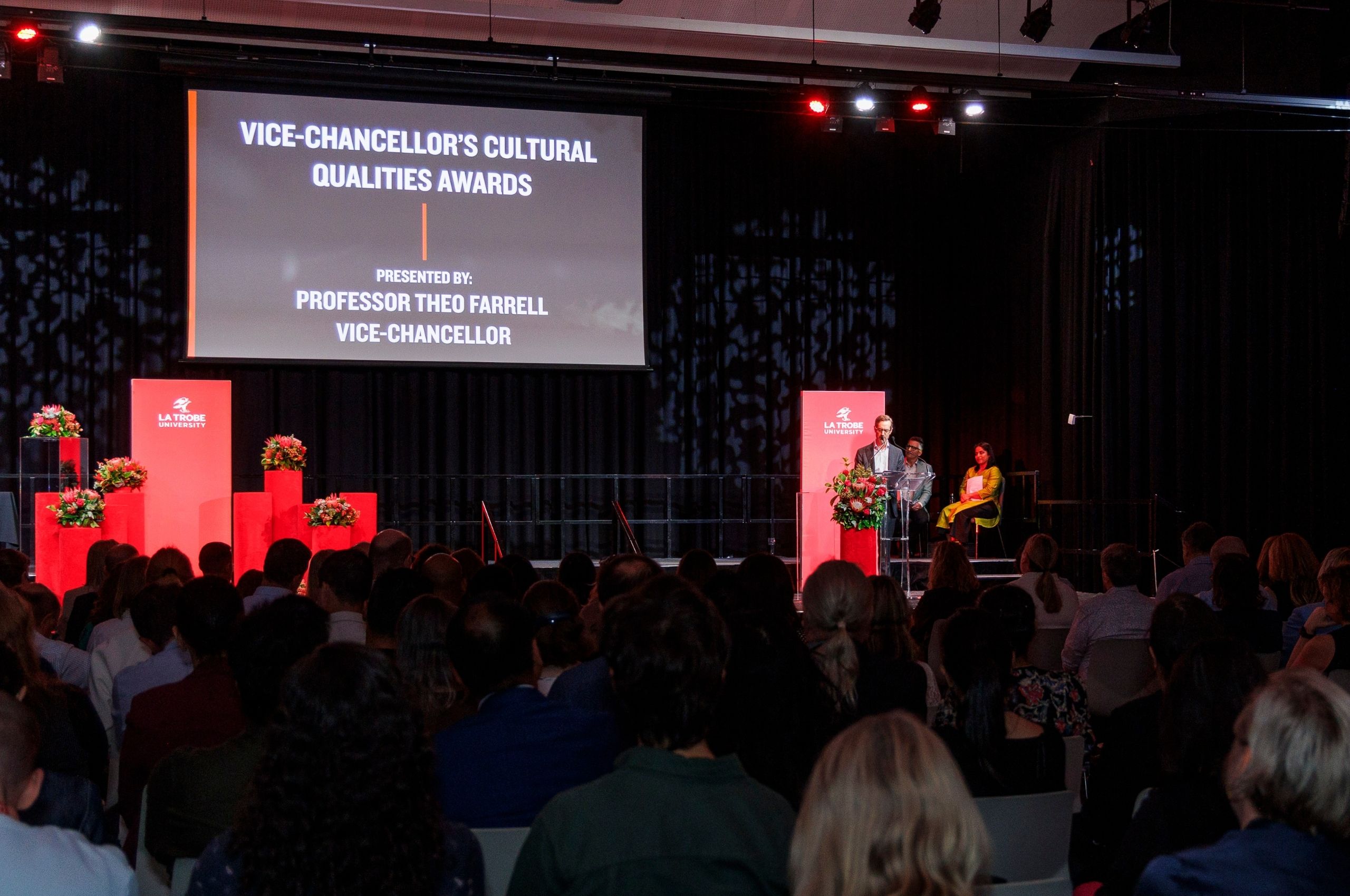
As we celebrated the amazing achievements of colleagues at our staff awards this week, I was reminded again of how much talent, dedication and heart sits across La Trobe. Everything we accomplished in 2025, including expanding access to education, transforming our digital capabilities and securing national research success, was made possible by our people.
The foundations we have laid this year set us up for an even more ambitious chapter ahead. Thank you for everything you have contributed to this remarkable year. I look forward to continuing this journey together as we build the university of the future. I’d now like to recap some more highlights of what has been a very successful year at La Trobe.
Leading lights
Some La Trobe luminaries and emerging stars were recognised this year.
Christine Bigby, Director of La Trobe’s Living with Disability Research Centre, was made an Officer of the Order of Australia (AO) for her service to tertiary education across research, policy and practice, and was elected as a Fellow of the Academy of the Social Sciences in Australia.
Lisa Amir from the Judith Lumley Centre received a Member of the Order of Australia (AM) for her significant service to women’s health, particularly breastfeeding research and support.
Emmanuel Kuntsche, Director of La Trobe’s Centre for Alcohol Policy Research, was appointed to the World Health Organisation Technical Advisory Group on Alcohol and Drug Epidemiology.
Carol McKinstry from the La Trobe Rural Health School was appointed as a Fellow of the Occupational Therapy Australia Research Academy.
Our Bendigo head of campus, Marg O’Rourke OAM, was appointed as Chair of Regional Development Victoria’s Regional Development Advisory Committee and was the 2025 recipient of the Outstanding Achievement in the TAFE and Skills Sector Award.
Daniel Powell, the First Nations Health Program Coordinator within the Rainbow Health Australia team located in the Australian Research Centre in Sex, Health and Society (ARCSHS), was awarded the 2025 Victorian NAIDOC Pride Award for his contributions to inclusion and diversity.
Ali Bajwa from the Department of Ecological, Plant and Animal Sciences and David Ju from the School of Cancer Medicine were named Victoria’s Young Tall Poppy Science Award winners for 2025.
The MINDSET team comprising Bianca Brijnath, Jo Antoniades and Nyssa Clarke was a finalist in the Societal Impact in Science category of the 2025 Eureka Prize for a project that aims to improve dementia assessments for non-English speaking people.
The University’s Culturally and Linguistically Diverse (CALD) Advisory Group was a finalist in the inaugural MindTribes Business in Colour Awards in the Collective Impact category.
Lisa Brophy and Tessa-May Zirnsak from the Care Economy Research Institute were recognised for their contributions to addressing mental health issues across Australia and New Zealand at the 2025 Mental Health Service Awards.
The Cybersecurity Program led by Leanne Ngo was named the Best Program for Young Individuals in Security at the 2025 Australian Women in Security Awards.
Lesley Cheng won the Innovator/Entrepreneur Award at the 2025 Women of Colour in STEM Awards, while Erinna Lee, Vivian Tran, Urooj Raza Khan and Alysha De Livera were finalists in other award categories.
James Leibold, Lauren Rickards, Dinh Phan and Ian Marquette were named as Australian Research Field Leaders in the annual assessment of 250 individual fields of research published by The Australian.
Kay Crossley, Director of the La Trobe Sport and Exercise Medicine Research Centre, was awarded Honoured Membership of the Australian Physiotherapy Association.
And the Genetics Society of Australasia held its inaugural Jenny Graves Day on 24 November in honour of La Trobe Vice-Chancellor’s Fellow and Distinguished Professor of Genetics Jenny Graves, which was an occasion to mark Jenny’s dedication to championing the work of numerous early career researchers and fostering connections across the genetics community.
What an amazing run of awards and recognition for La Trobe staff! Warm congratulations to all.
Research excellence
We performed very strongly in Federal funding programs this year, including the major ARC schemes.
It was terrific to end the year with the announcement in late October that 12 La Trobe researchers were awarded a total of $7 million under the ARC Discovery Project scheme. Pleasingly, our performance was third best in Victoria. Well done to Alexander Pinto, Yuning Hong, Begoña Heras, Vanessa Kellermann, Ivan Poon, Jennifer McIntosh, Lucille Chapuis, Yuri Cath, Jason Dutton, Emma Robertson, Ruby Grant and Babak Dadvand.
Karen Hughes, Lisa Mielke, Amy Pennay and Dugald Reid were awarded a total of $4.5 million under the prestigious ARC Future Fellowship program.
Ian Porter, Ani Desai, Brian Abbey, Begoña Heras, Paul Pigram, Sarah Bamford, Tze Cin Owyong and Yuning Hong received a total of $9.3 million from the Federal Government Australia’s Economic Accelerator scheme that supports nationally significant research projects in partnership with industry.
Conor Hogan is leading the ARC Research Hub for Molecular Biosensors at Point-of-Use that was launched in August, a collaboration with five other Australian universities and more than 20 industry partners; while the ARC Research Hub for Protected Cropping being led by Tony Bacic was launched in October and will operate under the La Trobe Institute of Sustainable Agriculture and Food.
Finally, Julie Andrews and Katherine Ellinghaus were awarded $1 million under the ARC Discovery Indigenous scheme to collaborate with Leanne Miller AM from Aboriginal-led not-for-profit organisation Outback Academy Australia to investigate the role of Yorta Yorta people in the Goulburn Valley fruit-picking industry.
Congratulations to these researchers on receiving prestigious national grants – and thanks to the brilliant team in our Research Office for the exceptional support they provide in helping colleagues prepare funding applications and presentations.
Funding healthy futures
La Trobe’s leadership in health and care program innovation was underscored by our exceptional performance in health and medical funding schemes in 2025.
Irene Blackberry and Carmela Sergi did an incredible job in leading development of our successful bid to establish a Cooperative Research Centre focused on the care economy, with tremendous support from colleagues in the Research and Industry Engagement team. Our $129 million, 10-year partnership with 60 organisations across Australia will have a major impact across the care economy nationally.
Leigh Kinsman, Della Forster, Simon Egerton and Alison Lane received a total of $6.7 million from the Australian Government’s Medical Research Future Fund for collaborative projects that address health and wellbeing.
Dimitra Chatzileontiadou, Saimon M Silva and Teagan Weatherall secured more than $1.8 million in funding under the NHMRC Investigator Grants scheme that supports the nation’s highest-performing researchers.
La Trobe’s Australian Research Centre in Sex, Health and Society was awarded $2 million in Federal funding to conduct Australia’s largest surveys into the health and wellbeing of LGBTIQA+ people.
Kylie Lee from our Centre for Alcohol Policy Research is Chief Investigator on a project that received $1.42 million from the Federal Department of Infrastructure, Transport, Regional Development, Communications and the Arts to develop solutions to address road safety in the Northern Territory.
Deirdre Fetherstonhaugh and colleagues in La Trobe’s Australian Centre for Evidence-Based Aged Care received $3.77 million in Federal funding under the Strengthening Medicare - Supporting Older Australians initiative to deliver skills training for nurses working in Victorian residential aged care homes.
Jodi Oakman received $710,000 under the ARC Linkage program to work with a range of healthcare partners to develop evidence-based procedures to reduce workplace exposures to hazards for nurses.
Ing Kong was awarded a $3 million Cooperative Research Centre Project grant to collaborate with med-tech company Haemograph to develop technologies to prevent and remove air bubbles in healthcare devices.
And Nora Shields from the La Trobe University Olga Tennison Autism Research Centre received a $2.03 million grant from the Research Future Fund to lead a project to help adults with intellectual disability and their families participate in physical activities in their communities.
Investing in health innovation
We also made great progress in implementing the University’s $170 million Health Innovation Program this year.
Construction of the $82 million clinical teaching building at the Bundoora campus is well advanced. We’ll have the largest interdisciplinary university clinic in Victoria, training an additional 400 allied health professionals each year from 2026.
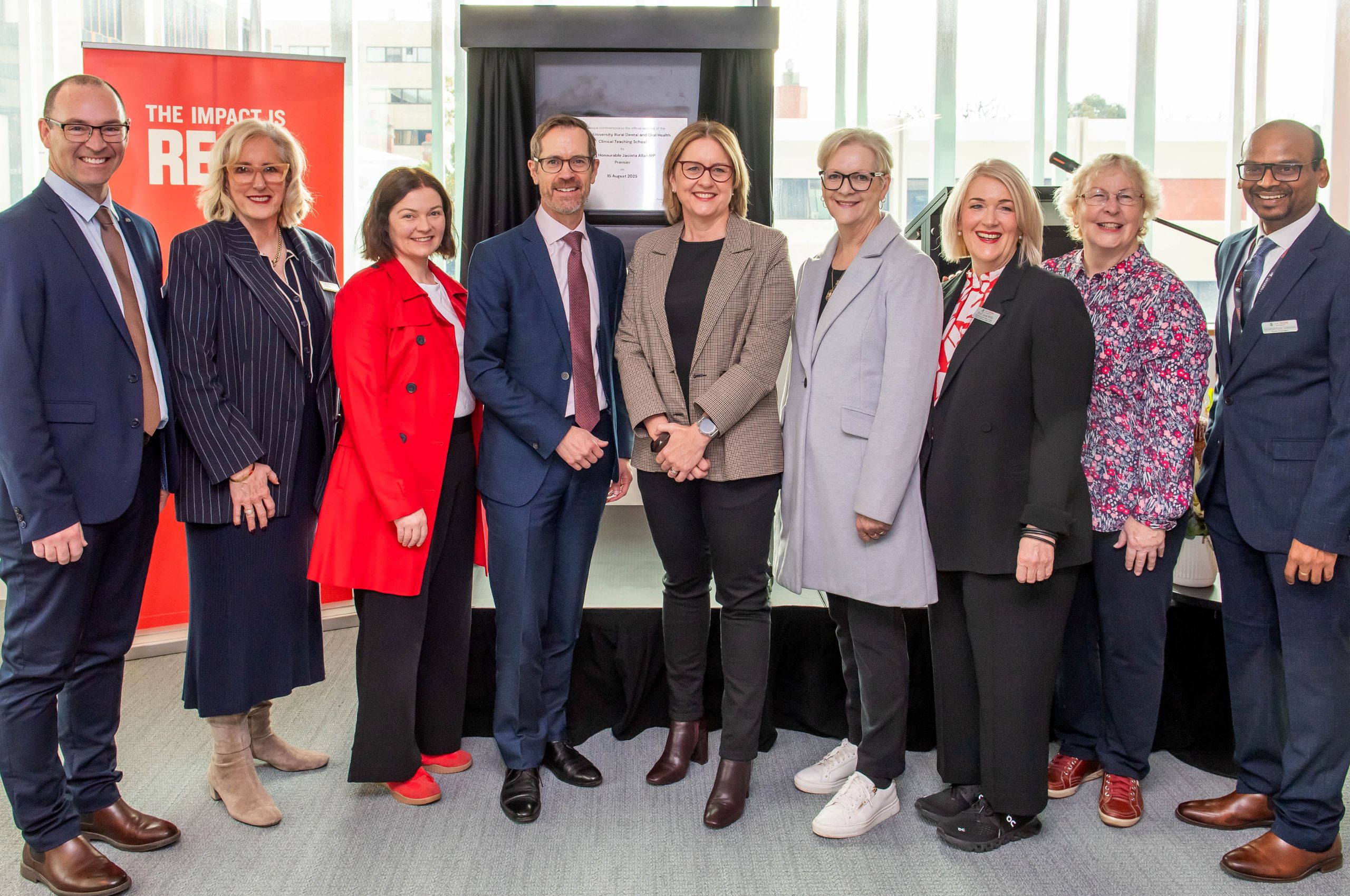
Premier of Victoria and La Trobe alumna Jacinta Allan launched our new $21 million Rural Dentistry and Oral Health Clinical Teaching School in Bendigo in August. A further $22 million has been allocated to redevelop the nursing, midwifery and allied health facilities at the campus.
We entered into a strategic partnership with Northern Health to establish a collaborative research hub focussed on health equity and diversity research, specifically addressing the needs of Melbourne’s north, one of Victoria’s most diverse and rapidly growing regions.
The School of Psychology and Public Health partnered with the Summer Foundation to undertake research addressing housing and wellbeing for people with disability.
And it was wonderful to see the first 10 students in the Rural Medical Pathway program, delivered by La Trobe in partnership with the University of Melbourne, complete their studies after commencing in the Bachelor of Biomedical Science (Medical) in 2019 at La Trobe’s Albury-Wodonga and Bendigo campuses, before progressing into the University of Melbourne's Doctor of Medicine (Rural Pathway) postgraduate degree in Shepparton.
Our investment and expertise in health innovation was also reflected in the 2025 QS World University Rankings by Subject, with Nursing ranked equal 42 in the world, third in Victoria, equal sixth nationally, and Sports-related programs ranked equal 47 globally.
Education innovation
Our education innovation program is also having a big impact – both inside and outside the classroom.
Last month, we launched a state-of-the-art Education Practice Lab located in the Library on our Bundoora campus, which will serve as a flagship hub for collaboration, research and teacher development programs, and showcase the University’s expertise in evidence-informed, practice-based research that is transforming teaching and learning at scale.
This year, the School of Education also launched a new evidence-based learning initiative, the Science of Mathematics Education (SOME) Lab, following the incredible success of the Science of Language and Reading (SOLAR) Lab that has been influential in shifting government policy towards explicit teaching.
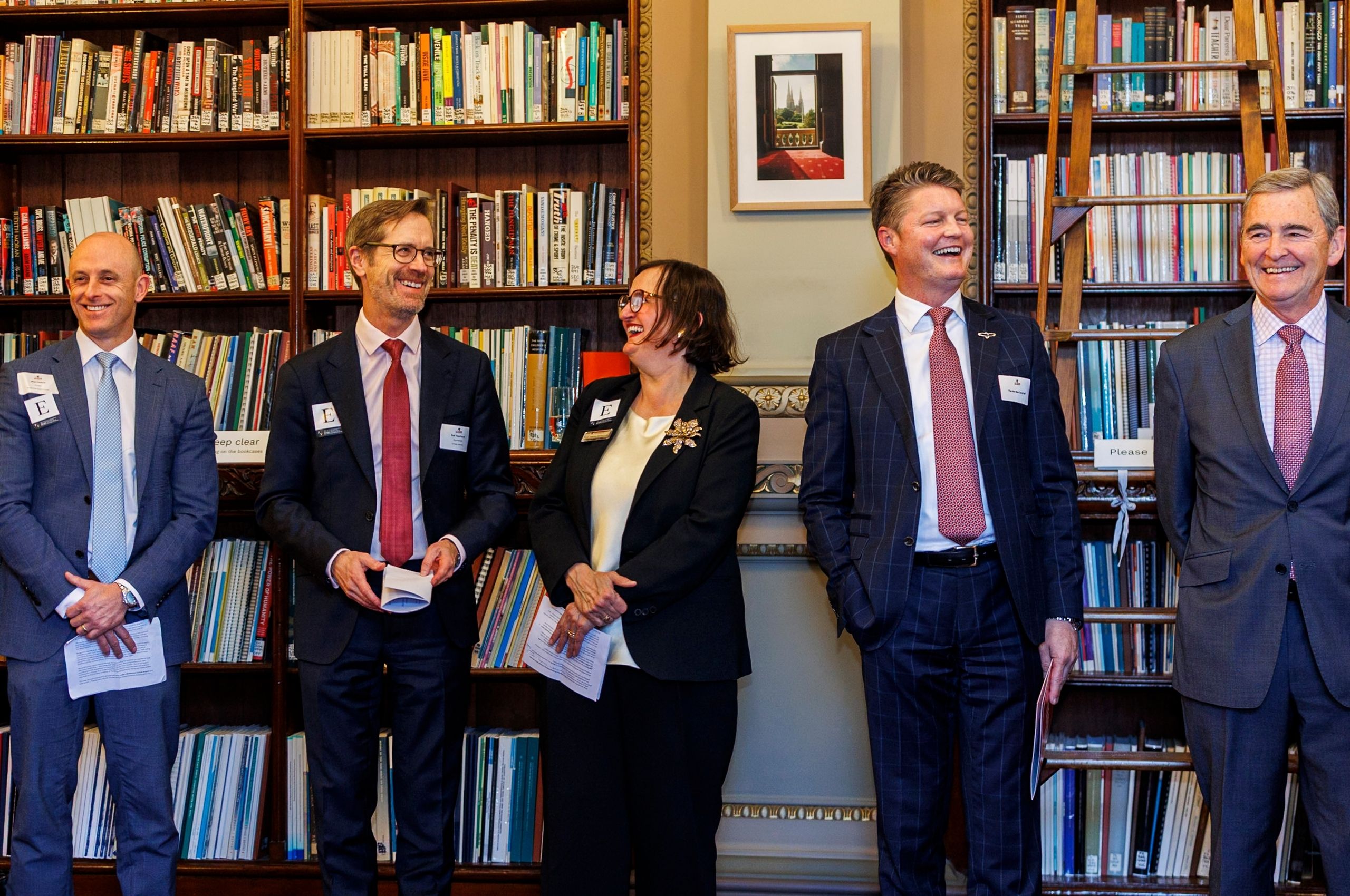
Pam Snow delivered the Mornington Peninsula Foundation 2025 Oration and shared insights about the work she is leading at La Trobe with her co-founder in the SOLAR Lab, Tanya Serry, to build teacher knowledge of the science of learning and improve reading outcomes for students, which has informed the introduction of evidence-based approaches to school teaching across Victoria and NSW.
And we held a very well-attended expo at the Victorian Parliament to showcase our expertise and innovation in teacher education, with Deputy Premier and Education Minister Ben Carroll and Shadow Education Minister Evan Mulholland praising La Trobe for our leadership in advancing evidence-based approaches to teaching and our innovative employment-based teacher training program Nexus.
Partners that matter
We made significant progress during 2025 in our mission to work with industry, research and community partners to address challenges facing our region and the world.
We expanded our work with partners in India, including celebrating the 30th anniversary of our student mobility partnership with Lady Shri Ram College in Delhi in January.
We also hosted a terrific celebration with a delegation from India at the Digital Innovation Hub last month to recognise the top Indian biotech startups that participated in a pre-accelerator program, run as part of our partnership with the Bangalore Bioinnovation Centre and the Indian Biotechnology Industry Research Assistance Council to deliver a Bio Innovation Corridor between India and Melbourne.
During the year, we launched an $18 million pre-seed investment program, the La Trobe University Eagle Fund, in partnership with Breakthrough Victoria, to support La Trobe research with commercial potential.
And the University was awarded a $400,000 grant from LaunchVic to establish the LaunchPad program that will help early-stage entrepreneurs develop ideas into commercial enterprises.
La Trobe was one of four Australian universities selected to join a $20 million Federal Government initiative, the Plant SynBio Australia program, to accelerate innovation in agri-food productivity. The La Trobe Institute of Sustainable Agriculture and Food will collaborate with research nodes at Adelaide University, Australian National University and University of Western Australia.
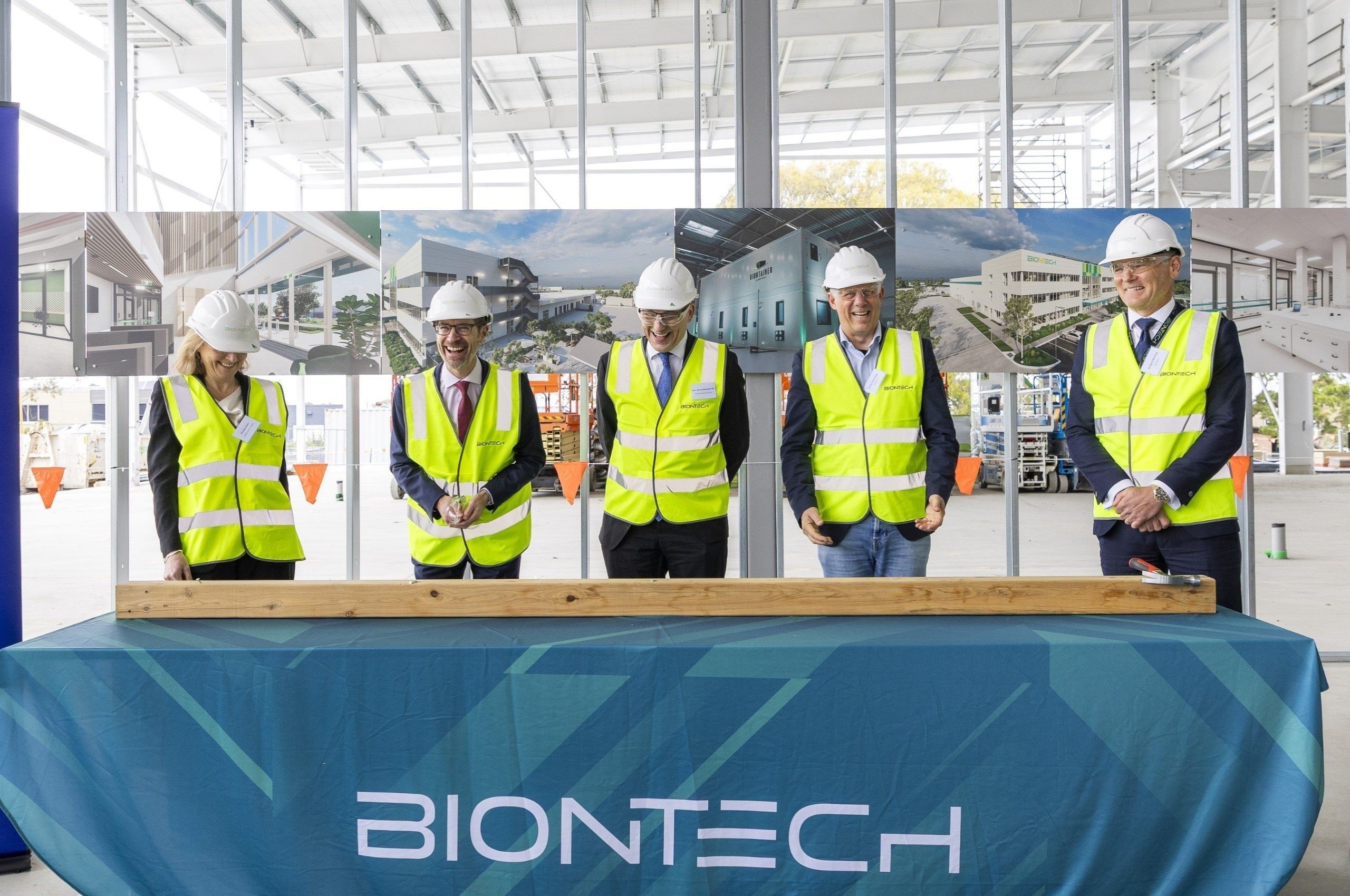
Finally, there has been significant progress in construction of the BioNTech mRNA clinical scale manufacturing facility at our Bundoora campus, with BioNTech opening a Research and Development Facility that will produce research-grade mRNA and partner with researchers and biotech companies to accelerate the translation of research into clinical use.
Learning and teaching excellence
During 2025, 30 La Trobe teaching scholars were awarded Advance HE Fellowships through the University’s newly accredited internal initiative, the Accelerate Program, in recognition of their leadership, expertise and impact in learning and teaching.
Our Tertiary Preparation Program team was recognised for innovation in student-centred learning at the Australian Awards for University Teaching. Congratulations to Emmaline Bexley and colleagues including Jelena Medan, Sean Dyde, Hayley May, Mohammad Al Bayer, Zoe Thomas and Belinda D’Angelo.
Our students also shone on the national stage this year.
PhD researcher Angela Chapman was named the 2026 Mental Health Ambassador of the Year by the Veterinary Nurses Council of Australia.
Another PhD student, Ziqiang Xu, won the Tertiary Student of the Year Award at the Australian Information Security Association’s Cyber Security Awards 2025.
La Trobe Law School students Gihansa Samarwickrema, Elise Mitchell and Marko Movre won first place in the Victorian Law Firm Moot.
And we’ll be supporting many more students to succeed at university in the coming years after opening Study Hubs in Broadmeadows and Epping this year to support readiness and aspiration for tertiary-level study in Melbourne’s outer northern metropolitan region.
Regional ready
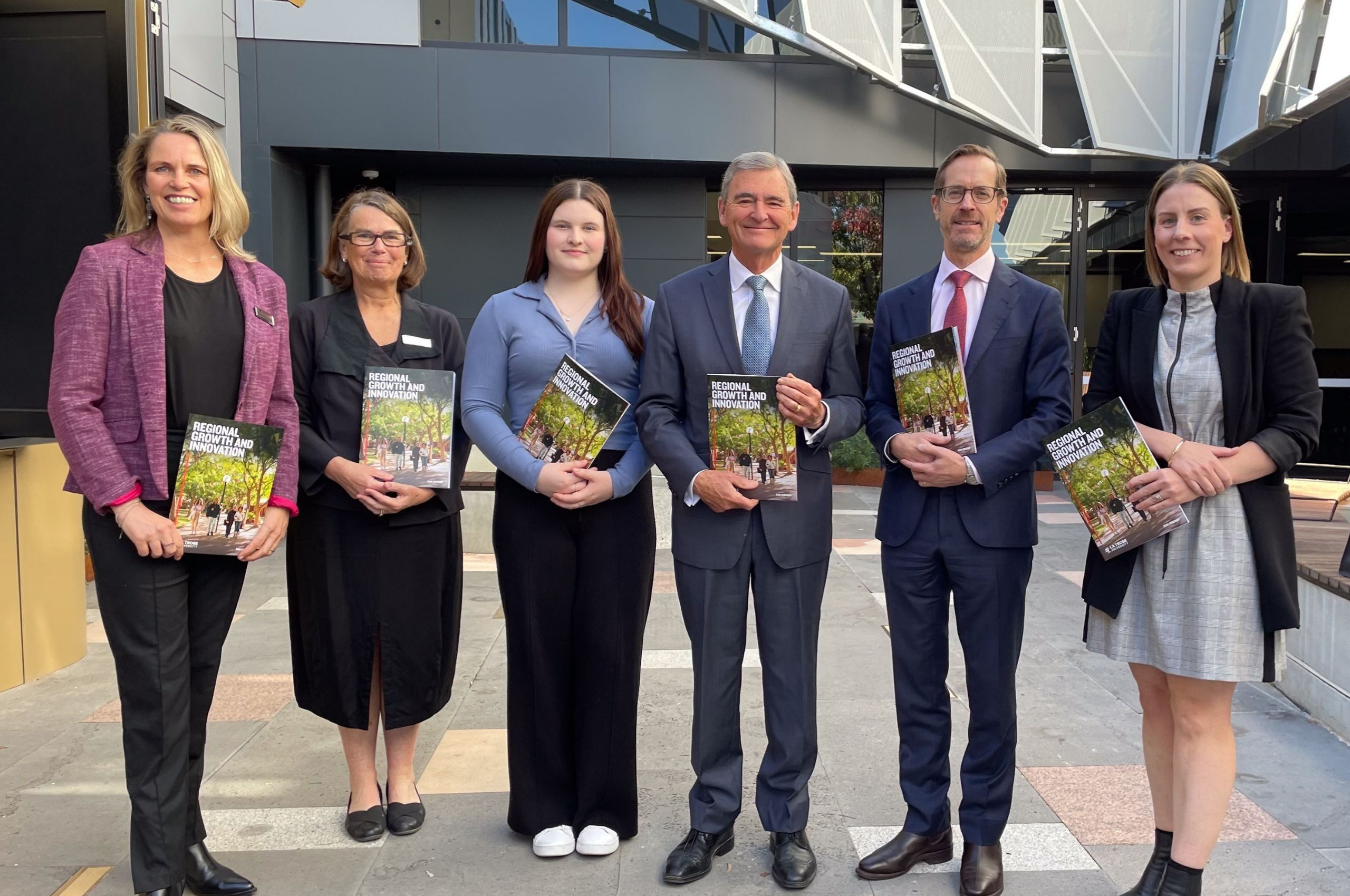
This year, we released our new five-year Regional Growth and Innovation Strategy that reinforces La Trobe’s commitment to drive economic and social impact through education, research and industry partnerships, and continued investment in our campuses in Bendigo, Shepparton, Albury-Wodonga and Mildura.
We have an excellent platform on which to build after opening our renovated and extended Shepparton campus in February, which features dedicated space for research and industry collaboration, doubles our clinical nursing facilities and provides expanded space for the library and Ngarrapna Indigenous Education Unit.
During 2025, we also announced a $50 million investment to establish a new 220-bed student accommodation complex in Bendigo’s CBD to support our growing student population in Bendigo.
And we acquired the lease for the Emporium Creative Hub in Bendigo’s CBD, where the La Trobe Art Institute and Bendigo Tech School have conducted workshops and artist residencies.
Public scholarship and engagement
La Trobe historian and Professor of Public Engagement Clare Wright received outstanding recognition this year, with a sweep of three national awards – winning the Australian Political Book of the Year Award, the Queensland Literary Awards Non-Fiction Book of the Year and the Northern Territory History Award – for her powerful book Näku Dhäruk The Bark Petitions: How the People of Yirrkala Changed the Course of Australian Democracy. Clare was also part of a team that won an award for best Children/Young Adult Program at the New York Festival's Radio Awards for the podcast Hey History!
2025 was another strong year for the La Trobe University Press (LTUP), our publishing partnership with Black Inc. Two LTUP books were longlisted for the Political Book of the Year Award: Ross Garnaut’s Let’s Tax Carbon and Shireen Morris’ Broken Heart: A True History of the Voice Referendum. And we published some outstanding books during the year, including Prove It by Elizabeth Finkel, the selected writings of La Trobe historian John Hirst, and Robert Manne’s Political Memoir: Intellectual Combat in the Cold War and the Culture Wars.
I’d also like to acknowledge Vice-Chancellor’s Fellow Dennis Altman, who not only published a terrific collection of essays from the last 50 years with Monash University Publishing, but was La Trobe’s most widely read author on The Conversation website in 2025. Dennis’ article about Andrew Mountbatten-Windsor was published in early November and has already been read by almost 200,000 people.
The Ideas and Society program and La Trobe Asia seminar series presented a range of discussions on issues facing our region and the world; the annual Sir John Quick Lecture in Bendigo was delivered by Jan Adams AO PSM, Secretary of the Department of Foreign Affairs and Trade; and the La Trobe Law School’s International and Comparative Law Cluster 2025 Lecture was presented by Ben Saul, the UN Special Rapporteur on Human Rights and Counter Terrorism and Professor at Sydney Law School.
La Trobe also expanded its public engagement program this year, with our Chancellor, John Brumby AO, delivering the inaugural lecture in The Mallee Series that we launched in Mildura, to bring the community together to explore policies, social issues and opportunities shaping regional Australia.
The La Trobe Art Institute presented some thought-provoking exhibitions during the year and received a $60,000 grant from Creative Australia that will support a new art residency program in Bendigo for 10 artists.
The University also sponsored the 2025 Australian Muslim Artists Art Prize as part of our partnership with the Islamic Museum of Australia, which was awarded to Sydney-based artist Sepideh Farzam.
Sustainability
During 2025, the University continued to demonstrate leadership in helping to create a sustainable future.
We rose 21 places to 145 in the 2025 QS Sustainability Rankings that assess institutions’ ability to address global environmental, social and governance issues.
And the University won the Nature Positive category at the 2025 International Green Gown Awards for the Nangak Tamboree project that developed an ecological corridor through the University’s Bundoora campus to promote biodiversity, learning and cultural connection.
Professional excellence
I’d also like to acknowledge the magnificent support provided by our professional and support staff during the year.
From our teams in IS, the Research Office and Finance to colleagues that plan and manage orientation and enrolment, examinations and graduations; those that provide student support, advising and systems support; those that develop new builds, maintain our facilities, keep us safe and take such good care of our grounds; and our fantastic Advancement, Events and Future Growth teams – you’ve done a brilliant job in 2025 to help drive learning, teaching, research and engagement activities across all our campuses.
And thanks to our People and Culture team for leading the co-design and delivery of our new programs to grow our own leaders, through the La Trobe Leadership Academy and empower staff in their career advancement, through our new performance framework and resources.
In closing
It’s been an incredibly productive year at La Trobe University in 2025. We continued to have a positive impact on the lives of individuals, families and communities across Melbourne’s north, regional Victoria and beyond.
Congratulations on everything you have achieved this year. Above all, thank you for your hard work and dedication to our wonderful university.
Before I sign off, I’d like to encourage you once more to vote for La Trobe’s Olga Tennison Autism Research Centre (OTARC), which is a finalist in the Community Champion category of this year’s Universities Australia Shaping Australia Awards. Voting closes on Monday 19 January.
I hope you enjoy a much-deserved break over summer.
Best wishes,
Theo