
Biodiversity at the Bundoora Campus
-
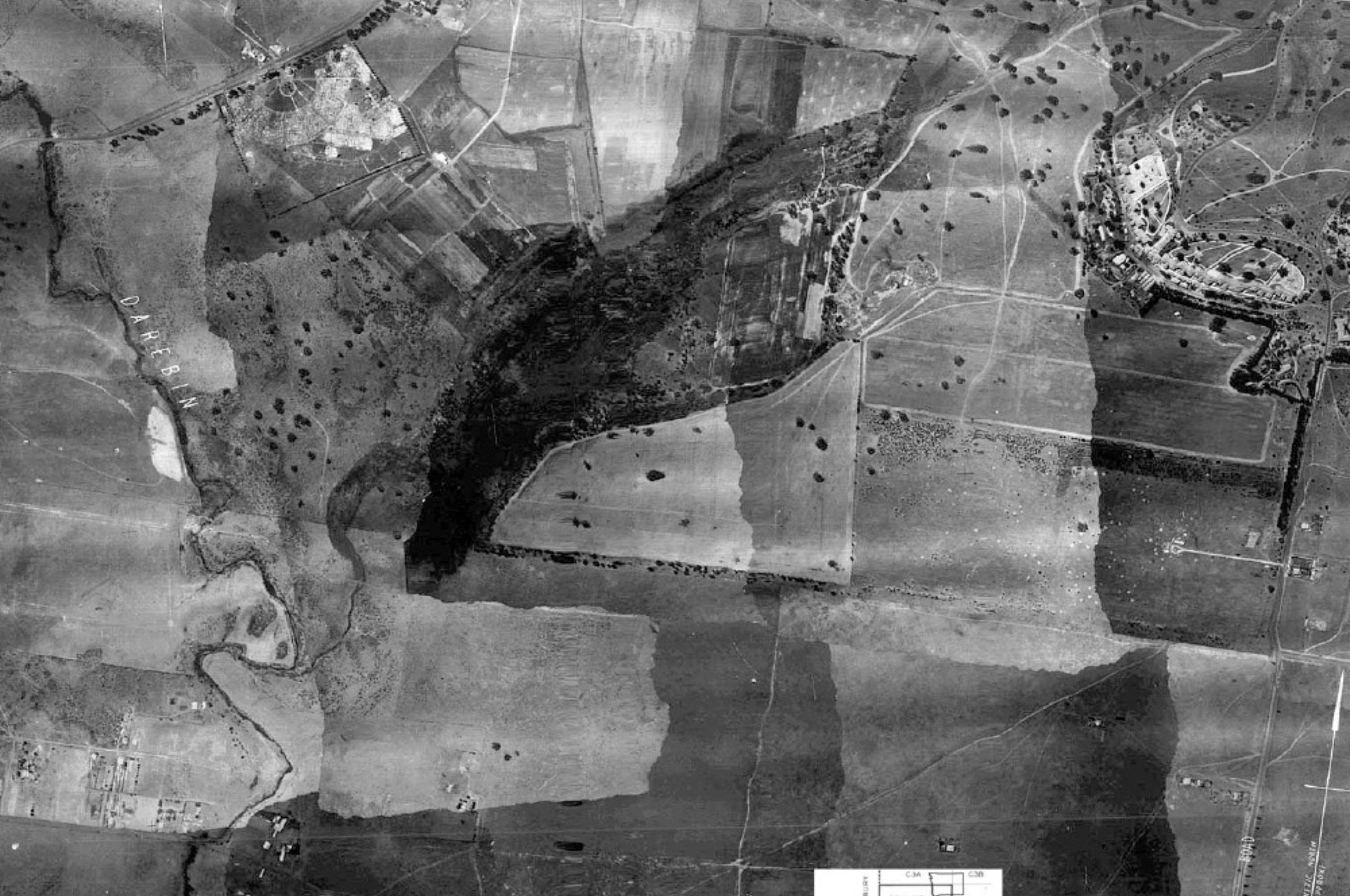
Aerial image of La Trobe Bundoora Campus site 1945 -
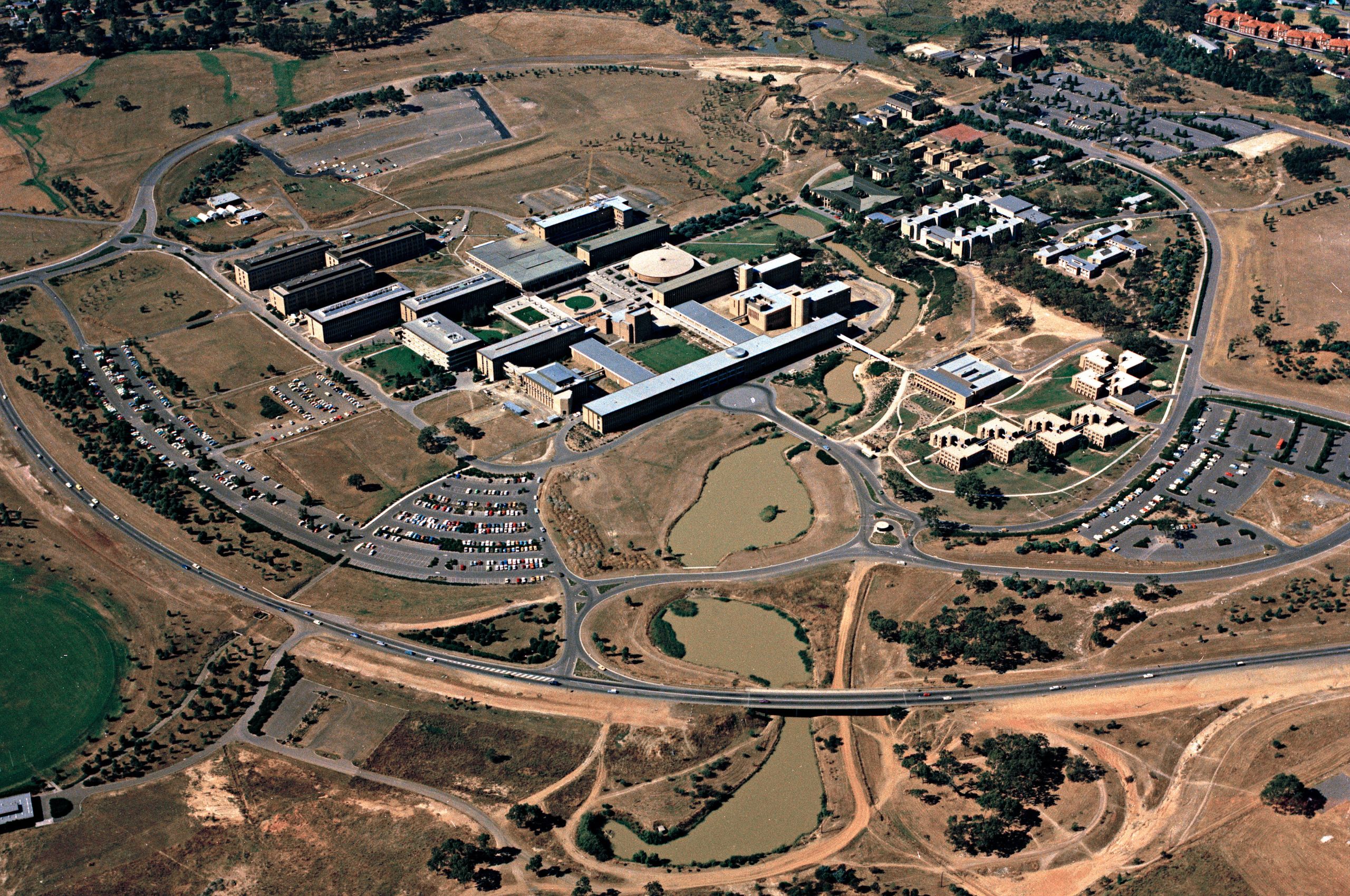
Aerial image of Bundoora Campus 1975 -
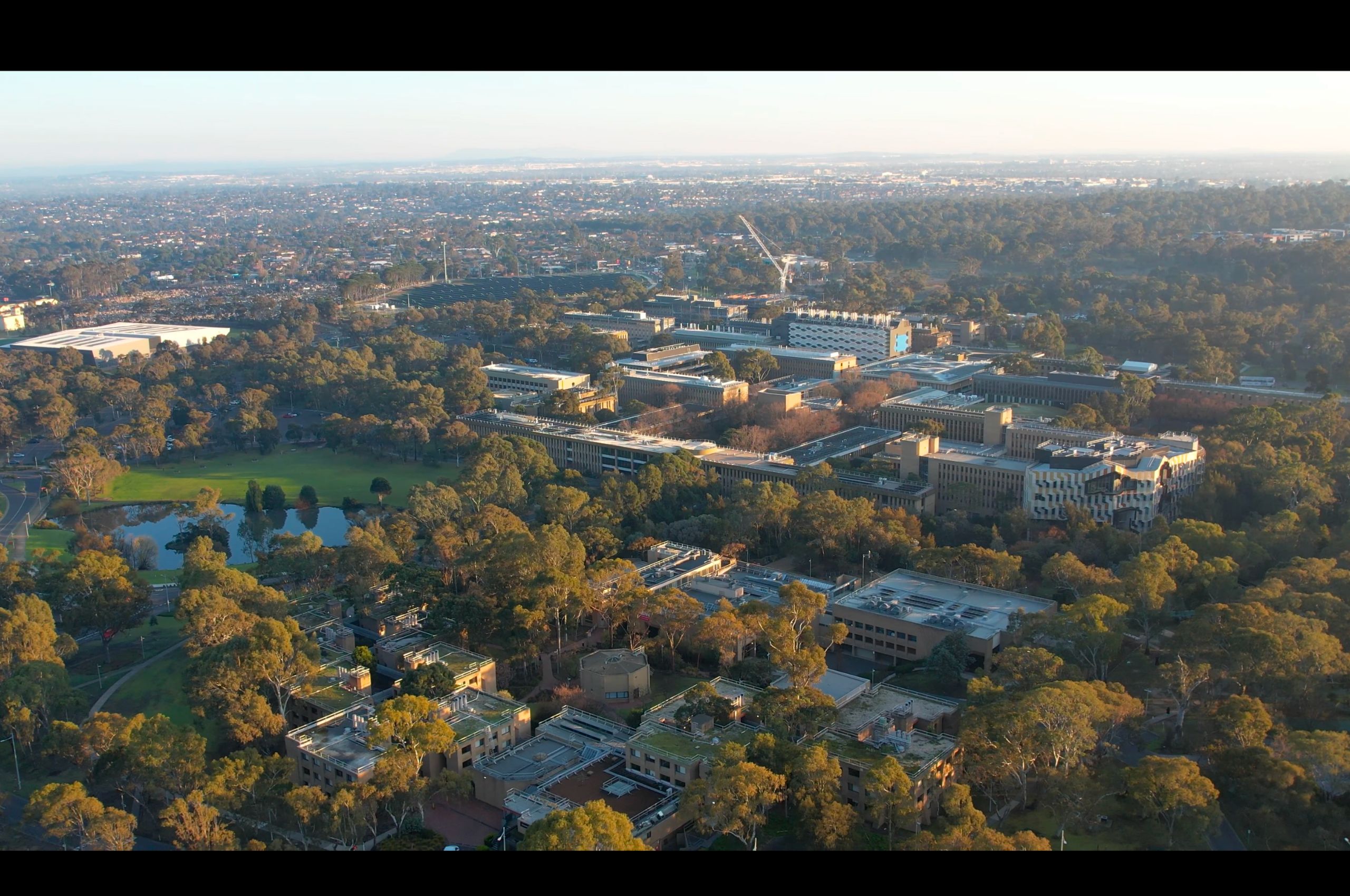
Aerial image of Bundoora Campus 2025
When we welcomed our first students in 1967, much of the Bundoora campus site was cleared land. Since then, La Trobe has worked at restoring and enriching our natural landscape. Today that commitment is evident across the campus, and in the award winning 30‑hectare Nangak Tamboree Wildlife Sanctuary, transformed from former farmland into a thriving, predator‑proof refuge for indigenous flora and fauna.
Thanks to the dedication of our students, partners, volunteers and the Sanctuary team, we’re supporting vulnerable species through breeding and habitat restoration inspired by the pre‑colonial landscape. The Sanctuary has become a vibrant place for learning, connection and community engagement with nature.
Across the broader Nangak Tamboree Eco‑corridor, we continue this work through large‑scale indigenous planting, cultural land management led by Wurundjeri Woi‑wurrung Narrap Rangers, biodiversity monitoring initiatives, and improved stormwater treatment. The Eco-corridor provides a riparian habitat link that connects the wildlife sanctuary and adjacent bushland to Darebin Creek. Together, these efforts strengthen biodiversity, enhance habitat for native wildlife and create a more connected, sustainable and culturally informed campus landscape.
Learn more about the Nangak Tamboree Wildlife Sanctuary:
Biodiversity Action Plan
La Trobe is developing a Biodiversity Action Plan in collaboration with our academics and university partners.
This plan will outline practical steps to protect local wildlife, restore natural habitats, establish monitoring programs, and enable hands-on research, ensuring our University City at Bundoora remains a thriving home for local flora and fauna, now and well into the future.
For more information on our existing monitoring programs for the Bundoora campus and regional campuses. Please visit Protecting Biodiversity, Sustainability, La Trobe University