
New archaeological approach “instrumental” for identifying cultural heritage sites
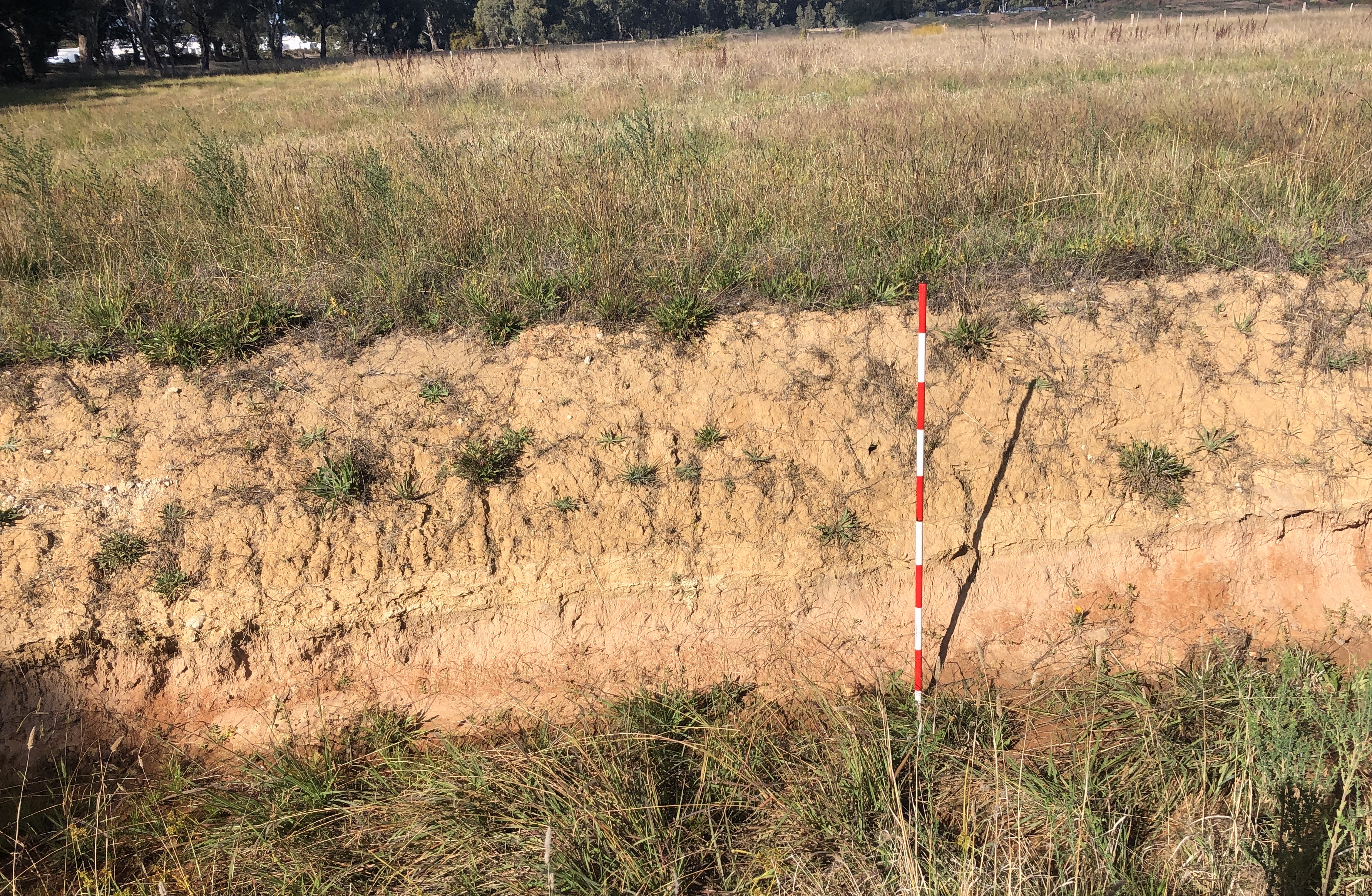
Historical gold mining transformed Victoria’s landscape, producing complex outcomes with some areas greatly disturbed by digging, but other areas buried by mine waste and thus protected from future impacts. Mining landscapes are notoriously difficult to manage from a cultural heritage management perspective, as many affected areas have since developed new topsoils and can now appear unaltered.
Existing legislative frameworks often require developers to assess the impact of new works on Aboriginal cultural heritage, but archaeologists employing conventional assessment strategies such as pedestrian surveys (where archaeologists assess current ground conditions and record surface artefacts) can struggle to identify historically capped ground surfaces.
Based on their recognised expertise in delivering landscape-level predictive assessments in areas affected by mining activities, a team from La Trobe’s Archaeology Research Partnerships (LTARP) has worked with global engineering and consulting firm Jacobs to identify the potential implications of a major transmission project for Aboriginal cultural heritage.
The Western Renewables Link aims to deliver clean energy to Victorians by transmitting renewable power from Western Victoria to the National Electricity Market. The proposed route spans 190 kilometres from Bulgana to Sydenham, crosses five Registered Aboriginal Parties areas, and dozens of named waterways.
La Trobe’s Dr Greg Hil developed a qualitative predictive modelling approach combining GIS-based elevation-based spatial analysis with archival research (Victorian mining datasets, historical maps, gold mining plans), giving heritage practitioners and Traditional Owners the advantage of anticipating sludge deposits and creating adaptive excavation methodologies. In turn, this approach minimises the chance of inappropriate excavation methodologies, data loss, and incorrect site formation analyses.
A spokesperson for Jacobs said the work by La Trobe researchers has had a real impact; “The desktop review prepared by Hil and Kurpiel of mining-related impacts across the Western Renewable Link was instrumental in understanding how sludge accumulations cap natural alluvial soil profiles, along with any associated Aboriginal cultural heritage contained therein. As a result, the findings of the report regularly informed the conduct of archaeological excavations for the Project."
Find out more: 'Aboriginal Cultural Heritage Technical Report B’ for the Western Renewables Link (published June 2025).
Published November 2025