
Oat research helping farmers, food companies and consumers
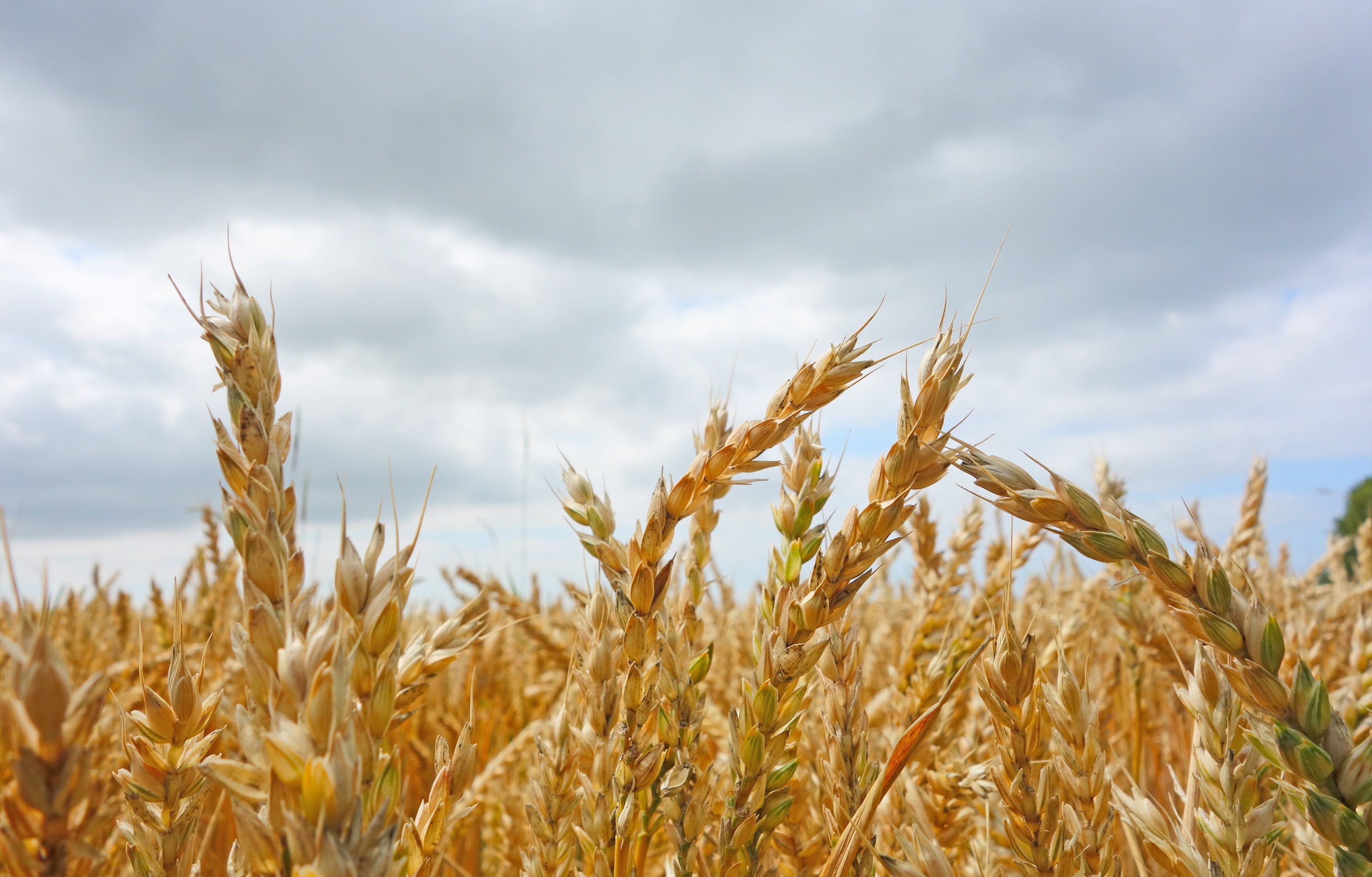
Despite growing evidence that dietary fibre is essential to human health, most people consume far less than recommended. Oats are an exceptionally rich source of beta-glucan, a soluble dietary fibre that supports gut health and helps reduce the risk of heart disease.
The challenge is getting enough of it into the diet. For most people, oats might be eaten at breakfast and occasionally in something like an Anzac biscuit. The most promising path for increasing beta-glucan intake is by incorporating oats into the processed foods people already eat every day. This means that food producers need a reliable supply of oats with consistently high beta-glucan content.
Researchers from the La Trobe Institute for Sustainable Agriculture and Food (LISAF) have delivered a resource to help develop oat varieties with reliably high beta-glucan across diverse growing conditions, giving food producers confidence in the nutritional quality of their products.
In partnership with PepsiCo, LISAF researchers created one of the most complete genetic maps available for oats, providing a foundation for identifying the genes that control beta-glucan content, along with growth and resilience. The long-term collaboration draws on La Trobe University’s longstanding expertise in plant cell wall science and supports the development of oat varieties with improved nutrition, sustainability and taste.
“Australia’s oat industry contributes around $400 million per year to the national economy, making advances in oat science a win for farmers, food companies and consumers alike,” says LISAF Professor Monika Doblin, who was a co-investigator on the work, along with Professors Mathew Lewsey, Tony Bacic and Jim Whelan.
This genetic map is now embedded in oat research worldwide. A major 2025 study comparing 33 oat genomes drew on the LISAF-PepsiCo resource and identified genes linked to flowering time and plant height - findings have direct implications for breeding under warmer, more variable growing conditions.
Large breeding programs in the United States have used the same genetic map to sharpen the focus on beta-glucan: a 2025 study using more than 1,000 breeding lines identified 44 durable genetic markers for beta-glucan and other key traits, while a separate project demonstrated that beta-glucan content can be reliably predicted across multiple years and environments.
For Professor Mathew Lewsey, this work has reach from the breakfast table to the fields.
“By equipping breeders with the tools to select for consistently high beta-glucan levels, this research is helping to make one of the world’s most popular breakfast foods genuinely better for the people who eat it - and more resilient for the farmers who grow it,” he says.