
A Close‑Knit Community: The Case for Strengthening Regional University Campuses
Residents of regional Australia remain significantly underrepresented in higher education, with participation rates continuing to decline since 2016. These inequities persist despite national policy commitments and regulatory standards that require parity of access.
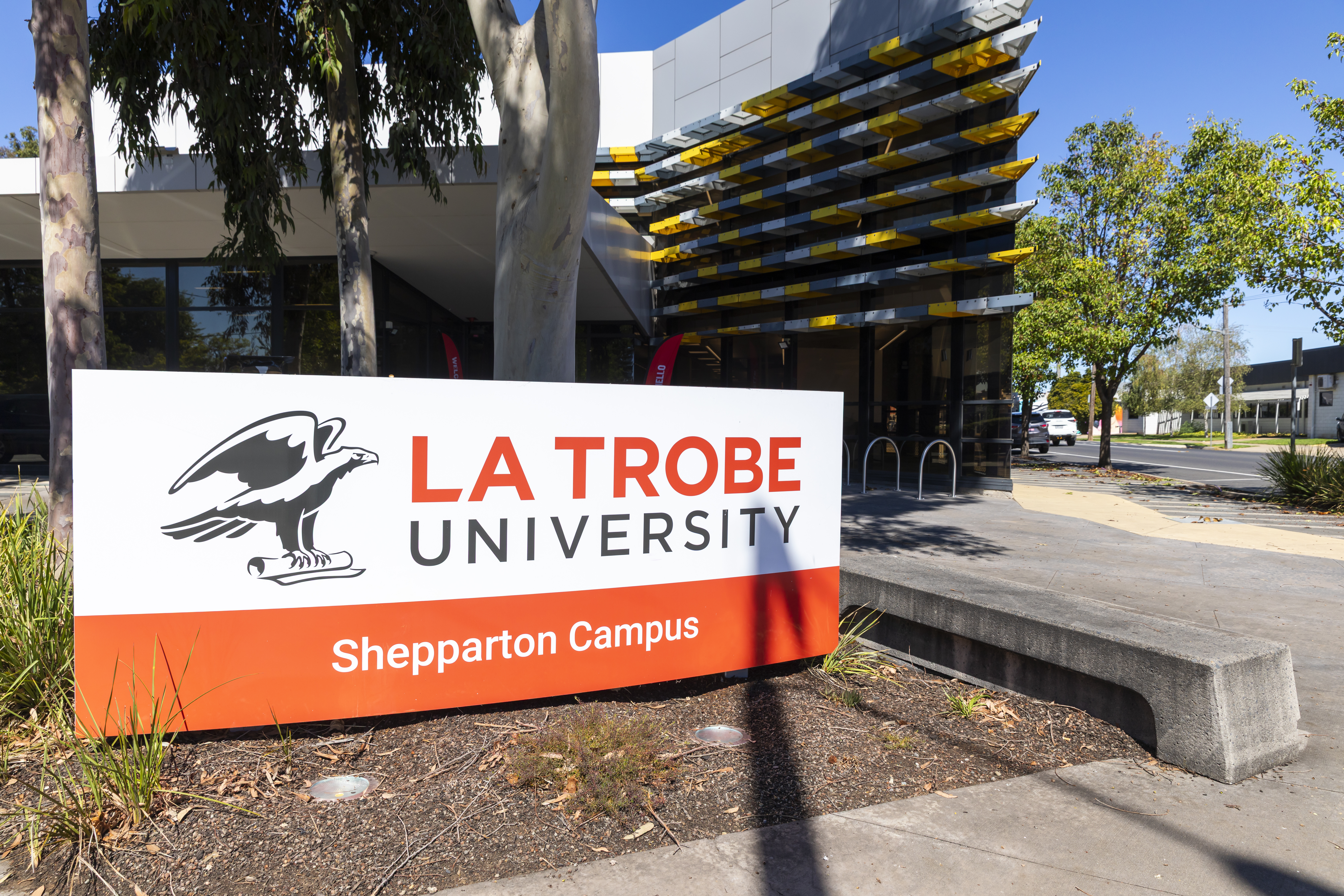
To capture the student voice, Dr Lucinda Aberdeen is leading the La Trobe contingent of the Studying Regionally project, funded by the Spencer Foundation, examining student experiences on three small regional campuses – early findings underscore that studying in place is critical for equity. Researchers have explored the experiences of students on three small regional campuses at La Trobe University Shepparton, the University of Tasmania Cradle Coast Campus in Burnie, and Edith Cowan University South West Campus in Bunbury.
Students told researchers regional campuses act as “a close-knit family feeling… a community,” providing face-to-face teaching and personalised support when students were close to dropping out.
For many, the cost and disruption of relocating to a city make university study impossible with a student at Edith Cowan University’s South West Campus stating, “I’m not one of these rich 18-year-olds whose Mum and Dad will pay for their accommodation.”
Metrocentric funding and governance models undermine regional campuses, leaving students saying they feel “forgotten a lot of the time” and struggling with unexpected course changes and resource cuts.
The research team has called for transparent accountability for equity funding and mechanisms in a 2025 policy brief. They’ve also advocated closer compliance with Tertiary Education Quality and Standards Agency standards, alongside incentives for academics to teach and research regionally.
The findings informed submissions to the Australian Universities Accord (2024) by contributing to evidence about serving the regions. They also resonate with La Trobe’s Regional Growth and Innovation 2030 Strategy (2025).
In response to the research, Vice-Chancellor Professor Theo Farrell stated, “We are proud to be a university with a regional footprint… and the core purpose of our strategy is to leverage our fantastic campus facilities to support place-based learning and local skills development.”
Published February, 2026