
Pollination science helps endangered Australian orchids
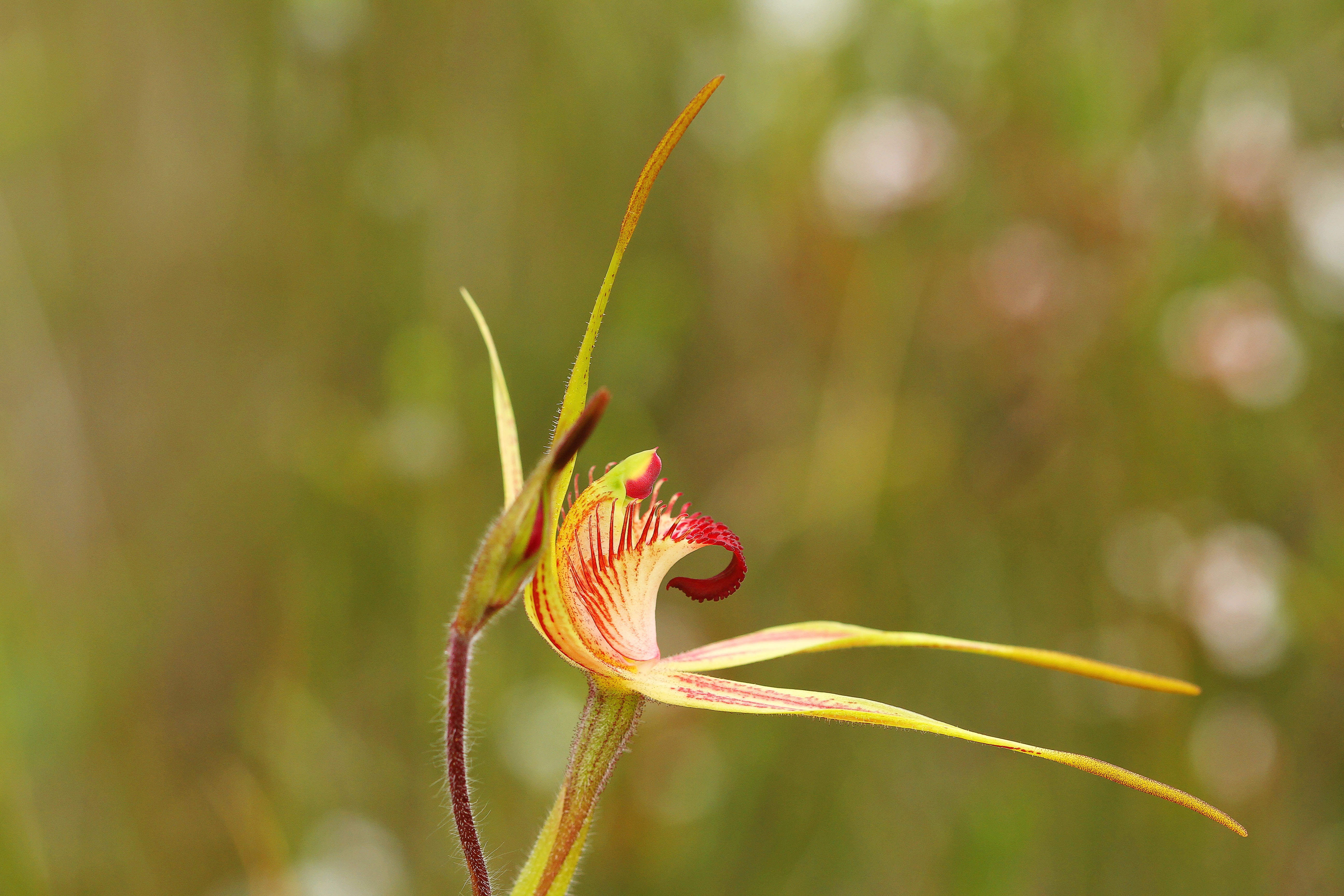
In southern Australia, many orchids rely on mimicry to achieve pollination, imitating the pheromone and appearance of female insects to attract males that transfer pollen as they attempt to copulate with the flower. As a by-product of mimicking highly specific sex pheromones, these orchids tend to be specialised on just a single pollinator species.
Increasingly, the favoured habitats of orchids are being disrupted by land clearance, climate change and potentially a reduction in the number of pollinating insects. These factors have contributed to numerous species of Australian orchids being listed as in danger of extinction, inspiring intensive conservation programs aimed at using propagated plants to establish additional insurance populations in the wild.
With funding from the Australian Research Council and in collaboration with the Royal Botanic Gardens Victoria, La Trobe researcher Dr Ryan Phillips is improving the success of these introduction programs using knowledge of the orchid’s specialised pollination strategies. The project identifies geographical areas that will be suitable for both orchid and pollinator under a changing climate, minimises the risk of threatened species experiencing genetic swamping via hybridisation, and determines if the size and density of new populations can be optimised depending on whether the orchid attracts pollinators via a rewarding or deceptive strategy.
The Orchid Conservation Program at the Royal Botanic Gardens Victoria has successfully established a number of self-sustaining populations of endangered orchids. These research-informed strategies for identifying sites are helping to optimise, scale-up and future-proof this process. More broadly, this work demonstrates how pollination biology can be incorporated into the plant translocation process to address the historically low success rate of this potentially effective conservation strategy, with implications for threatened plant species conservation beyond orchids.
Find out more: Orchid Conservation Program.