
Our people
Aphasia CRE - La Trobe University Team
Aphasia CRE Director - Professor Robyn O'Halloran
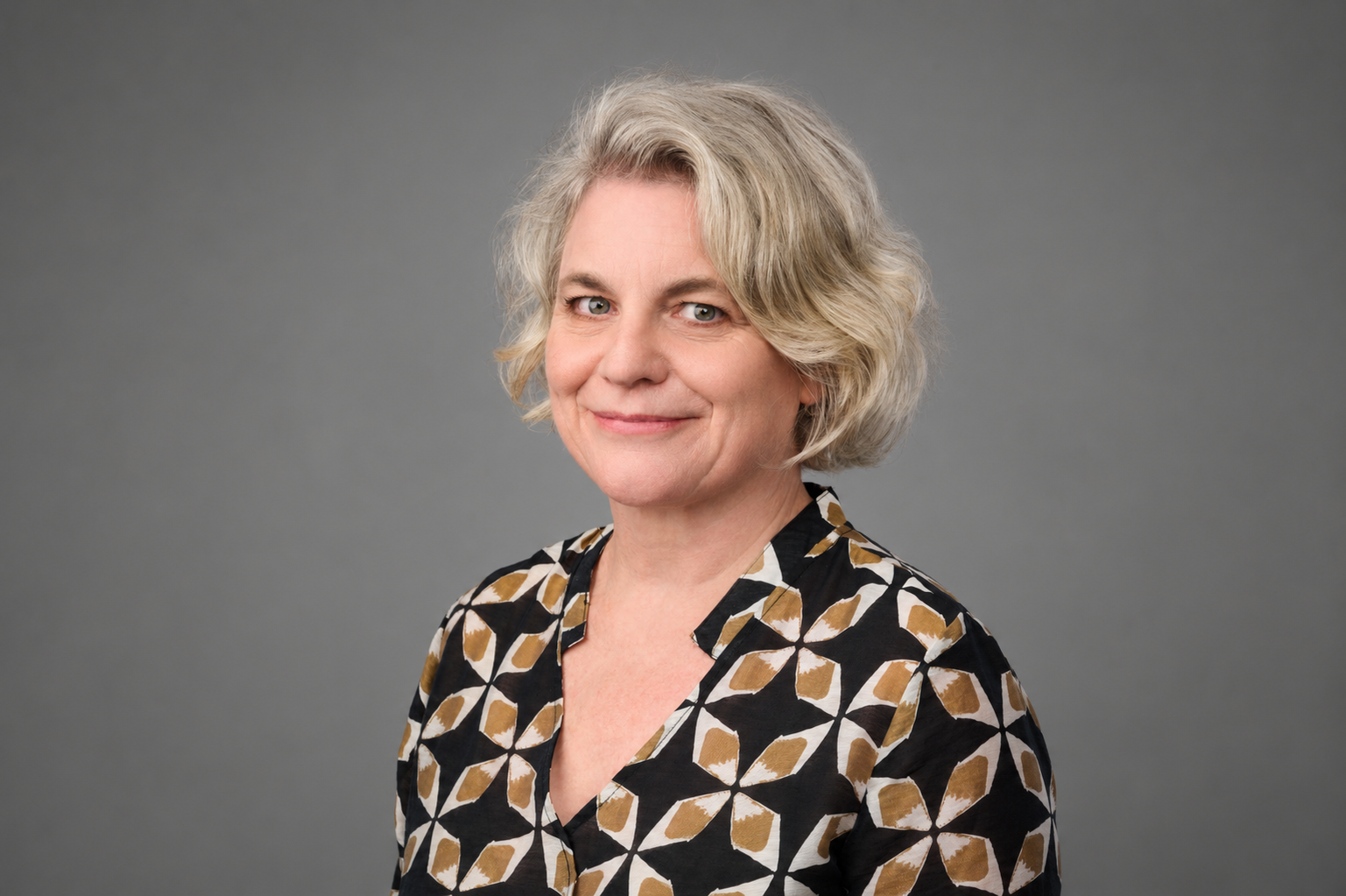 Professor Robyn O'Halloran is the Director of the Centre for Research Excellence in Aphasia Recovery and Rehabilitation. Working clinically as a speech pathologist in acute, rehabilitation and community health settings, Robyn developed a particular interest in how best to support people with communication disability and their healthcare providers communicate effectively, so that people with communication disability received safe, high quality, equitable healthcare. This has led Robyn to work with people with aphasia and other communication disabilities, their families and healthcare providers to create communicatively inclusive, accessible healthcare services. She has received over $8 million in research funding and is the first author of the Inpatient Functional Communication Interview: Screening, Assessment and Intervention.
Kelly Maskell – Centre Manager
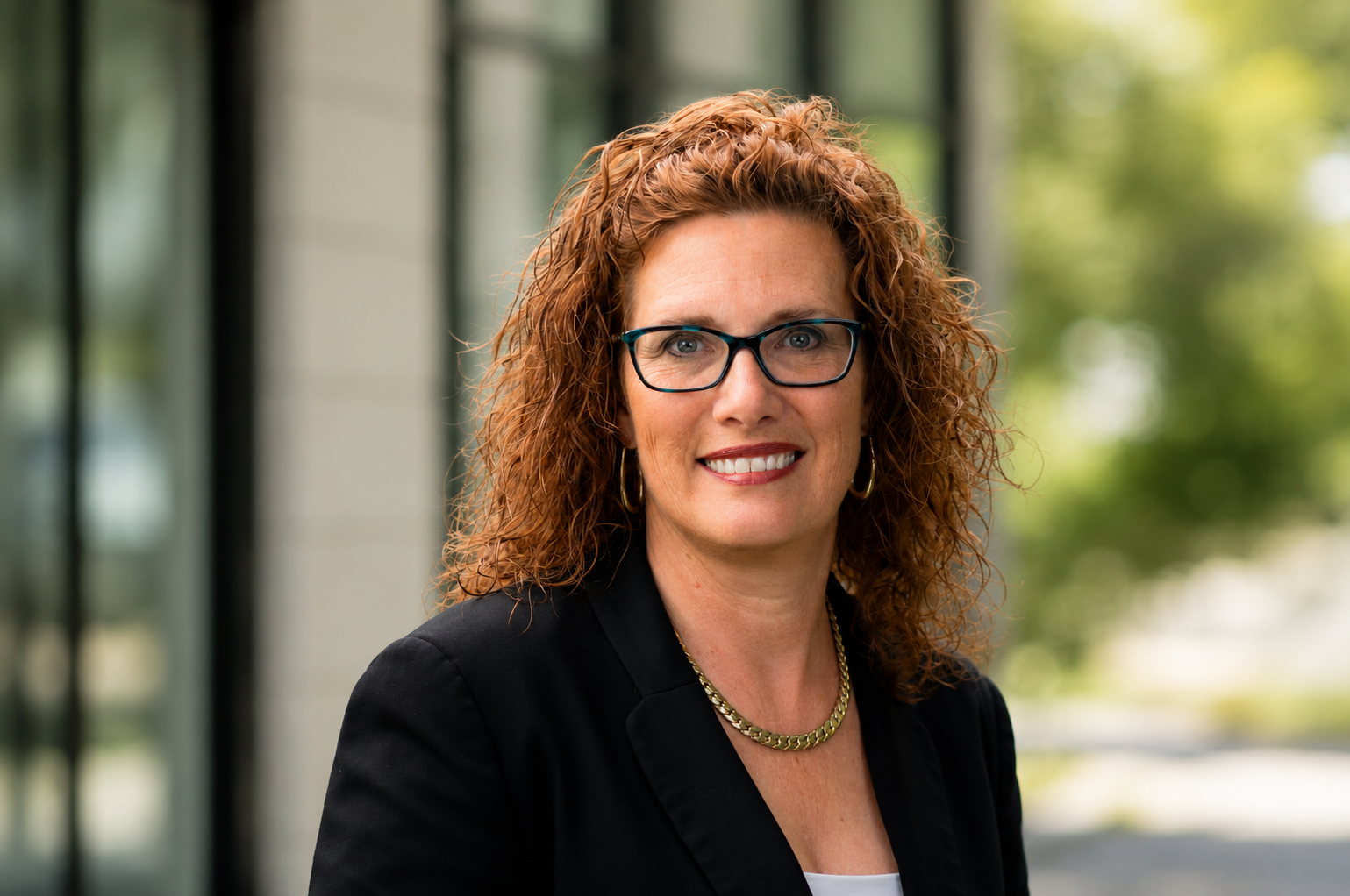 As Centre Manager of the Aphasia CRE, Kelly oversees the Centre's operational management, including stakeholder engagement, communications, IT, finance, conferences & events, special projects, governance and administration. Kelly plays a key role in supporting the Centre's innovative research and enabling collaboration between researchers, clinicians and people with lived experience of aphasia, helping researchers to advance evidence-based aphasia rehabilitation and improve outcomes for people living with aphasia.
Associate Professor Annie Hill
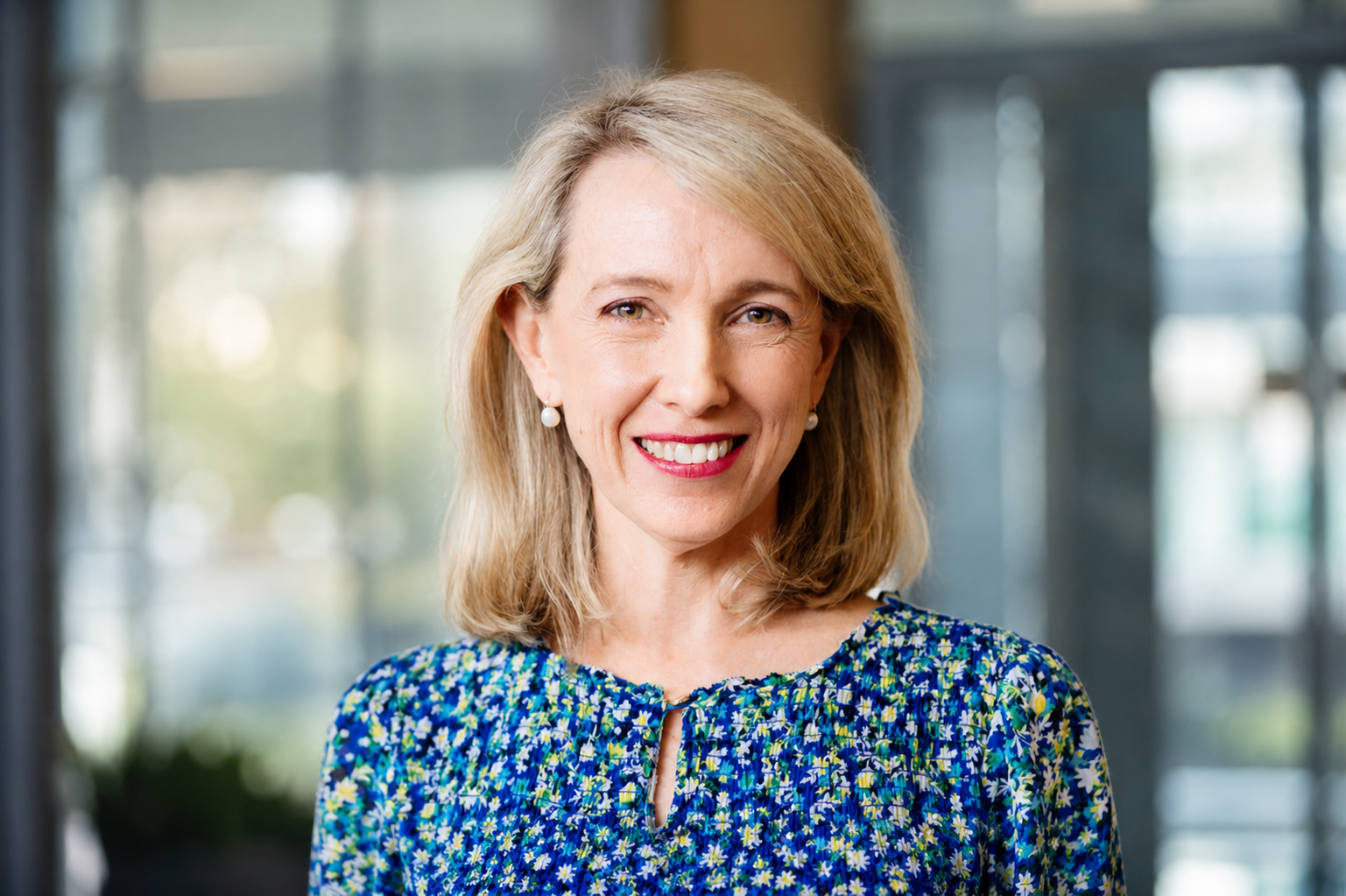 Associate Professor Annie Hill is a speech pathologist and internationally recognised researcher dedicated to improving rehabilitation for people living with aphasia after stroke. She is Principal Research Fellow and Deputy Director of the Centre of Research Excellence in Aphasia Recovery and Rehabilitation at La Trobe University, where she leads research in aphasia rehabilitation, digital health and telerehabilitation. With almost 30 years of clinical and research experience, Annie has built an international reputation for developing innovative models of care that improve equitable access to rehabilitation. Her research has attracted more than $15.6 million in competitive funding and has influenced clinical guidelines, telerehabilitation practice and rehabilitation services in Australia and internationally. Annie works closely with people with lived experience, clinicians and researchers to co-design research that translates into practical improvements in rehabilitation, health services and quality of life.
Dr John Pierce
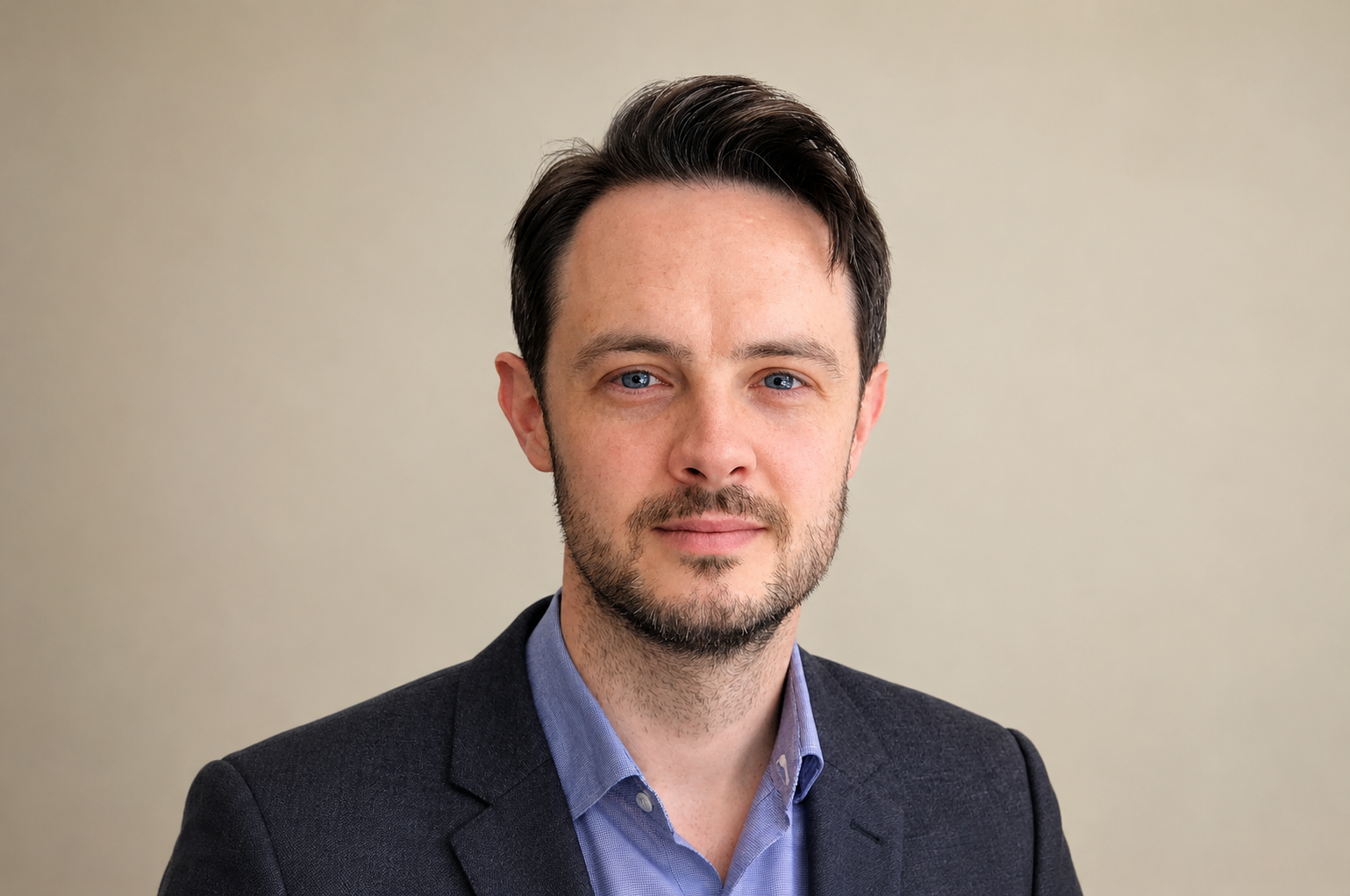 Dr John Pierce is a speech pathologist and Senior Postdoctoral Research Fellow with the Aphasia CRE. His research focuses on improving rehabilitation and everyday communication outcomes for people with aphasia, particularly through accessible technology, innovative tools and practical therapy approaches. John works closely with people with aphasia, clinicians and fellow researchers to develop and evaluate services and tools that can be translated into real-world practice.
Dr Rebecca Sullivan
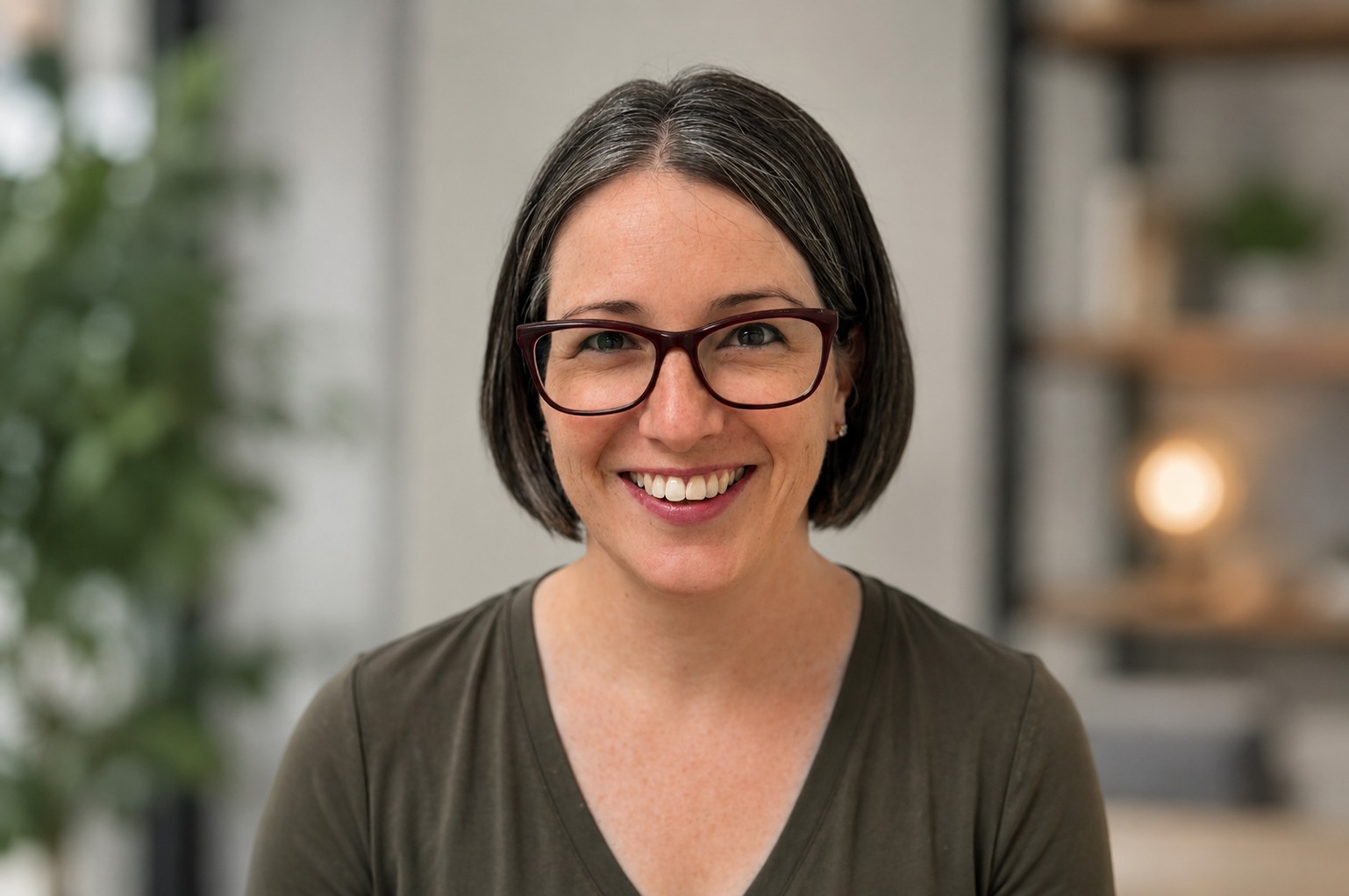 Dr Rebecca Sullivan is a Wiradjuri descendent and Certified Practicing Speech Pathologist. She graduated from the University of Sydney in 2006 and has extensive clinical experience working with adults experiencing communication and swallowing difficulties in hospital and community settings. Rebecca completed her PhD through the University of Technology, Sydney which examined the falls of hospital patients with communication disability following stroke, using a mixed methods design to explore the impact of communication disability on falls management in rehabilitation. Rebecca is an early career researcher at La Trobe University, focusing on improving the care and safety of hospital patients with communication difficulties, with a particular interest in falls.
Dr Sam Harvey
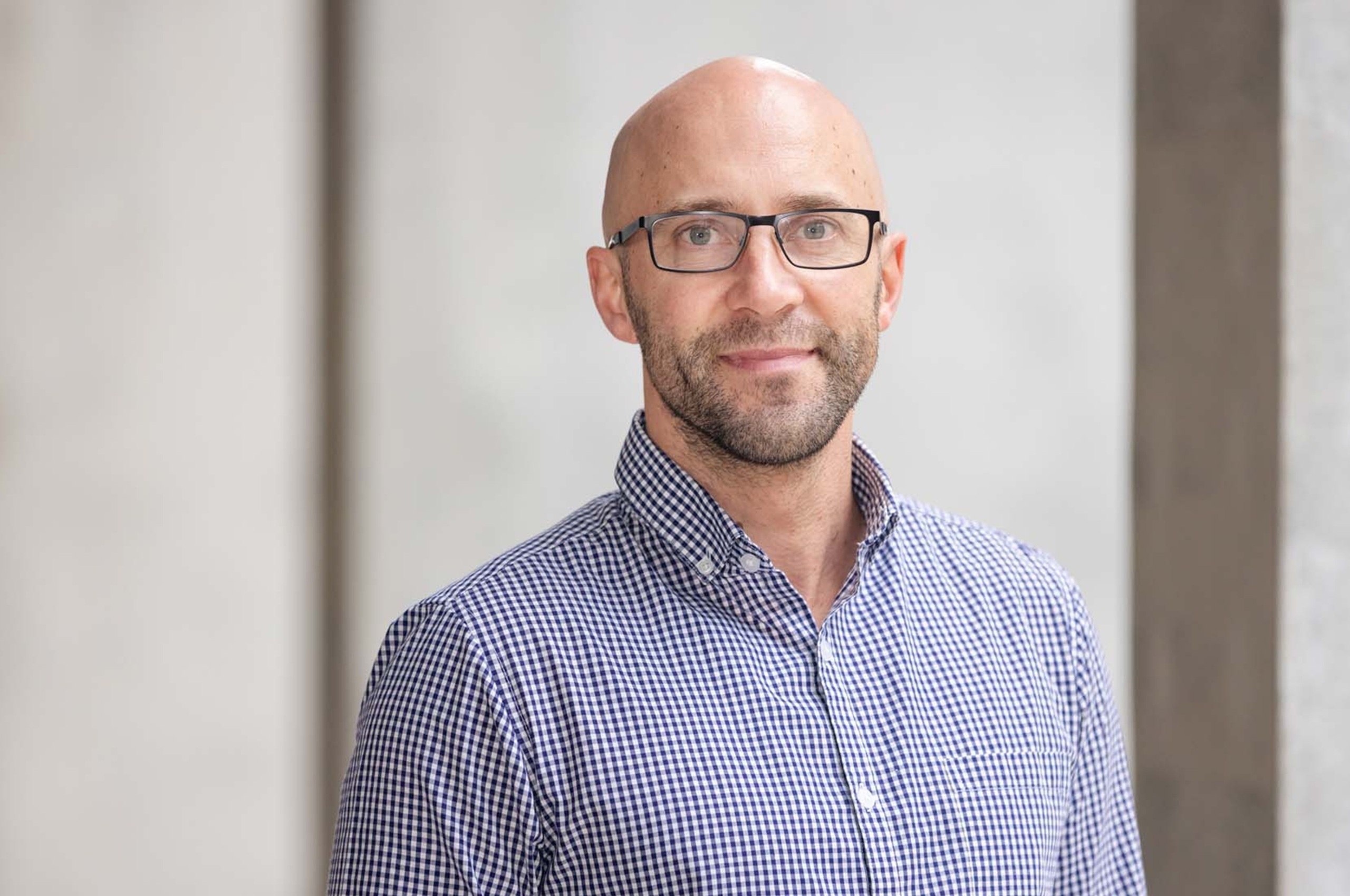 Dr Sam Harvey is a speech pathologist and research affiliate with the Aphasia CRE. He previously served as Trial Manager for the Communication Connect feasibility study and currently co-leads the maintenance and evaluation of the Aphasia Therapy Finder website alongside Professor Miranda Rose.
Dr Chelsea Larkman
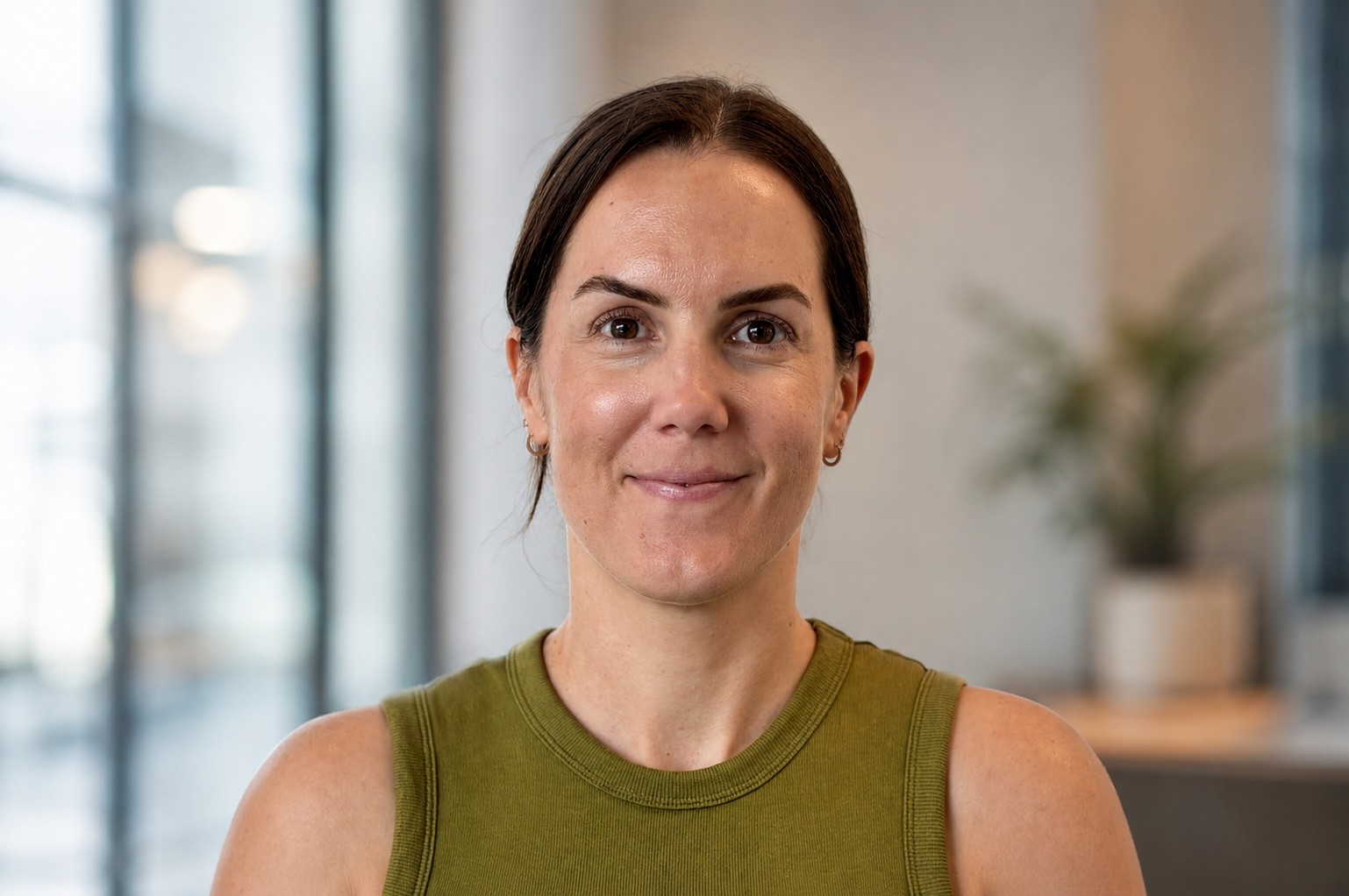 Dr Chelsea Larkman is an early career researcher and senior speech pathologist. She is a postdoctoral research fellow at the University of Sydney and an affiliate of the Aphasia CRE. Chelsea’s doctoral research explored cross-linguistic and cross-cultural aphasia therapy with a focus on collaborating with interpreters to adapt therapy for other languages. Chelsea brings more than 15 years of clinical experience in public hospitals to her research and a passion for ensuring that research outcomes are meaningful and clinically relevant.
Dr Joanna Shorland
Dr Joanna Shorland is a Postdoctoral Research Fellow in the Aphasia CRE and a Certified Practicing Speech Pathologist. Joanna completed her PhD through La Trobe University in 2023 in the area of cognitive-communication difficulties following traumatic brain injury sustained in older adulthood.
Joanna has extensive experience as a speech pathologist, predominantly in the subacute inpatient setting. Joanna has a strong interest in research that optimises rehabilitation for people who have cognitive-communication disability or aphasia following acquired brain injury.
Natali Cvetanovska
Natali is a researcher at La Trobe University. Her current research focuses on effective communication between health professionals and people with communication support needs to improve medication safety. Natali’s research interests include health literacy, communication and equity.
Emily Eley
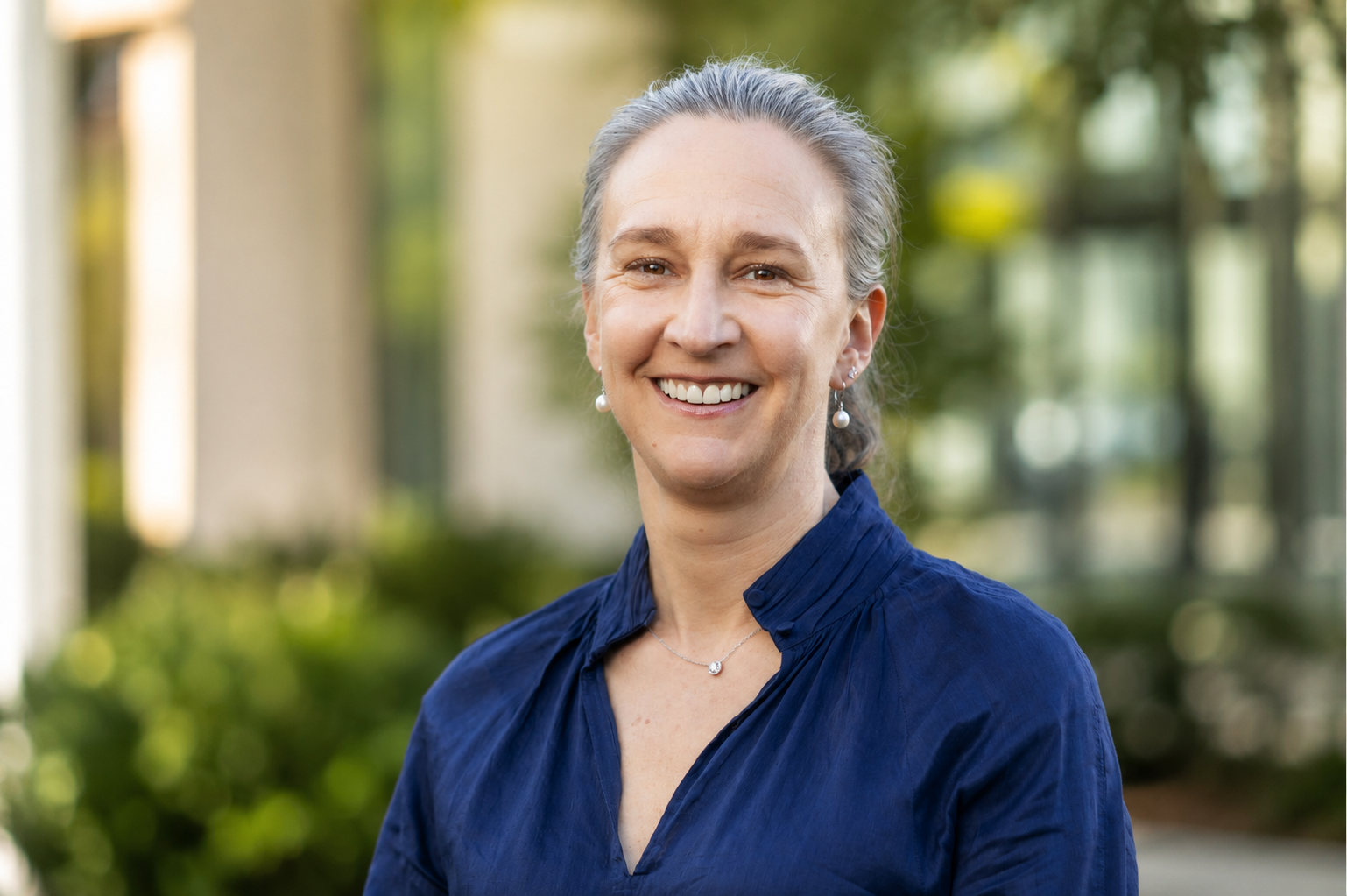 Emily Eley is currently a trial manager and research assistant for the M-MAT Tele Maximising Aphasia Treatment and Recovery across Australia through Innovative Group Telerehabilitation study, a Phase II Randomised Control Trial at Aphasia CRE, La Trobe University.
Emily is a speech pathologist with over 12 years of clinical experience in managing adult clients with acquired communication and swallowing disorders. Emily has worked in tertiary teaching hospitals in Australia, Singapore and the UAE, and her primary area of professional interest is in early intervention in aphasia rehabilitation. Emily recently completed a Master of Clinical Rehabilitation at Flinders University, Adelaide and was awarded a Chancellor’s Letter of Commendation.
Dr Matthew Berryman
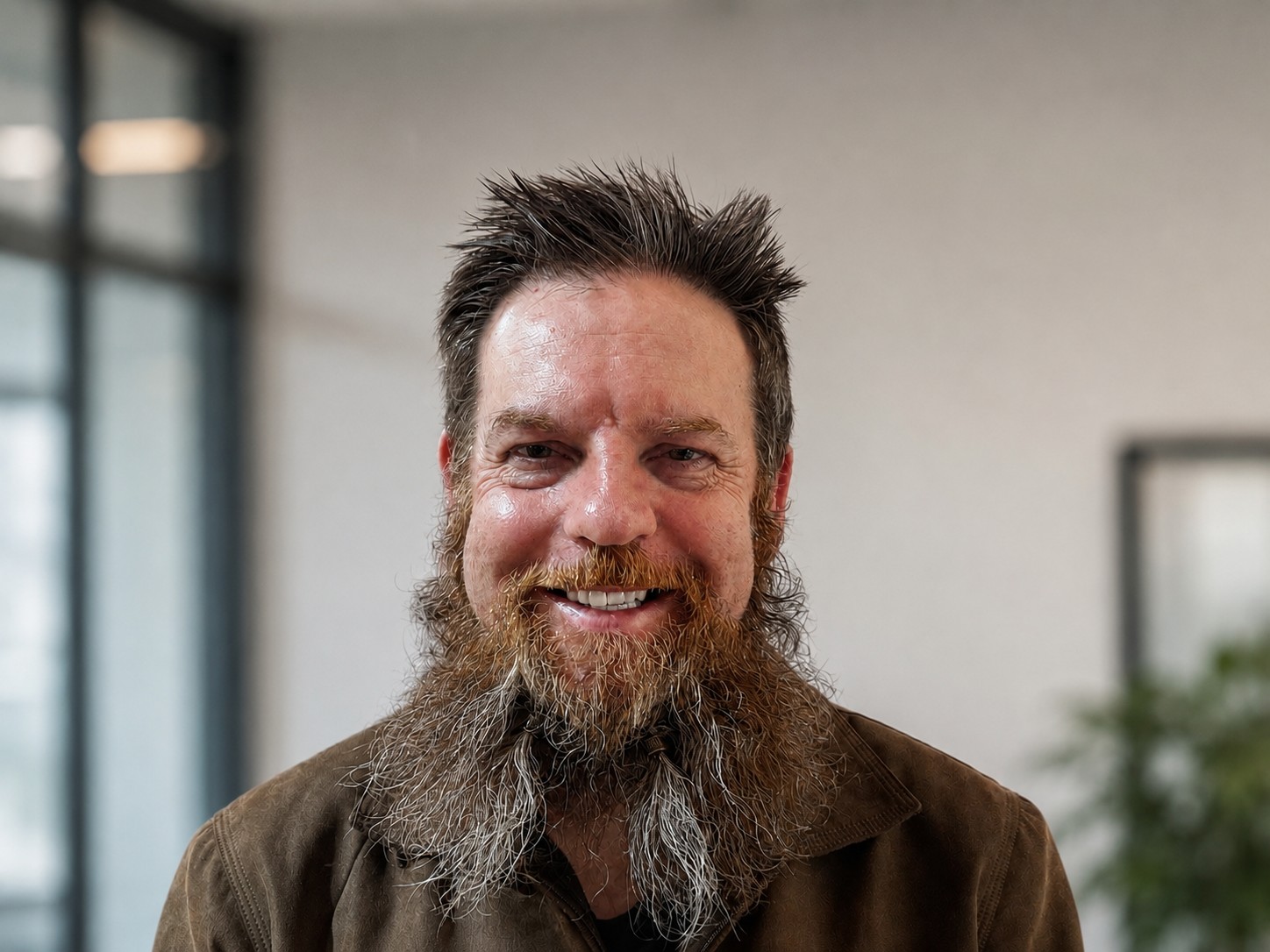 Dr Matthew Berryman is an Adjunct Research Fellow at La Trobe University, a software engineer, researcher and stroke survivor with lived experience of aphasia. His work focuses on artificial intelligence, digital health, accessible communication technology and consumer-led aphasia research.
Matthew is a 2026 Stroke Foundation Future Leaders with Lived Experience Research Grant recipient, leading research into how people with aphasia use, understand and imagine future AI supports.
Matthew is also a Chief Investigator and Project Manager on an NHMRC-funded project developing a virtual reality platform for treating anomia after stroke. Matthew brings lived experience, technical expertise and a commitment to ensuring that people with aphasia actively shape the technologies and rehabilitation approaches designed for them.
Dr Lucette Lanyon
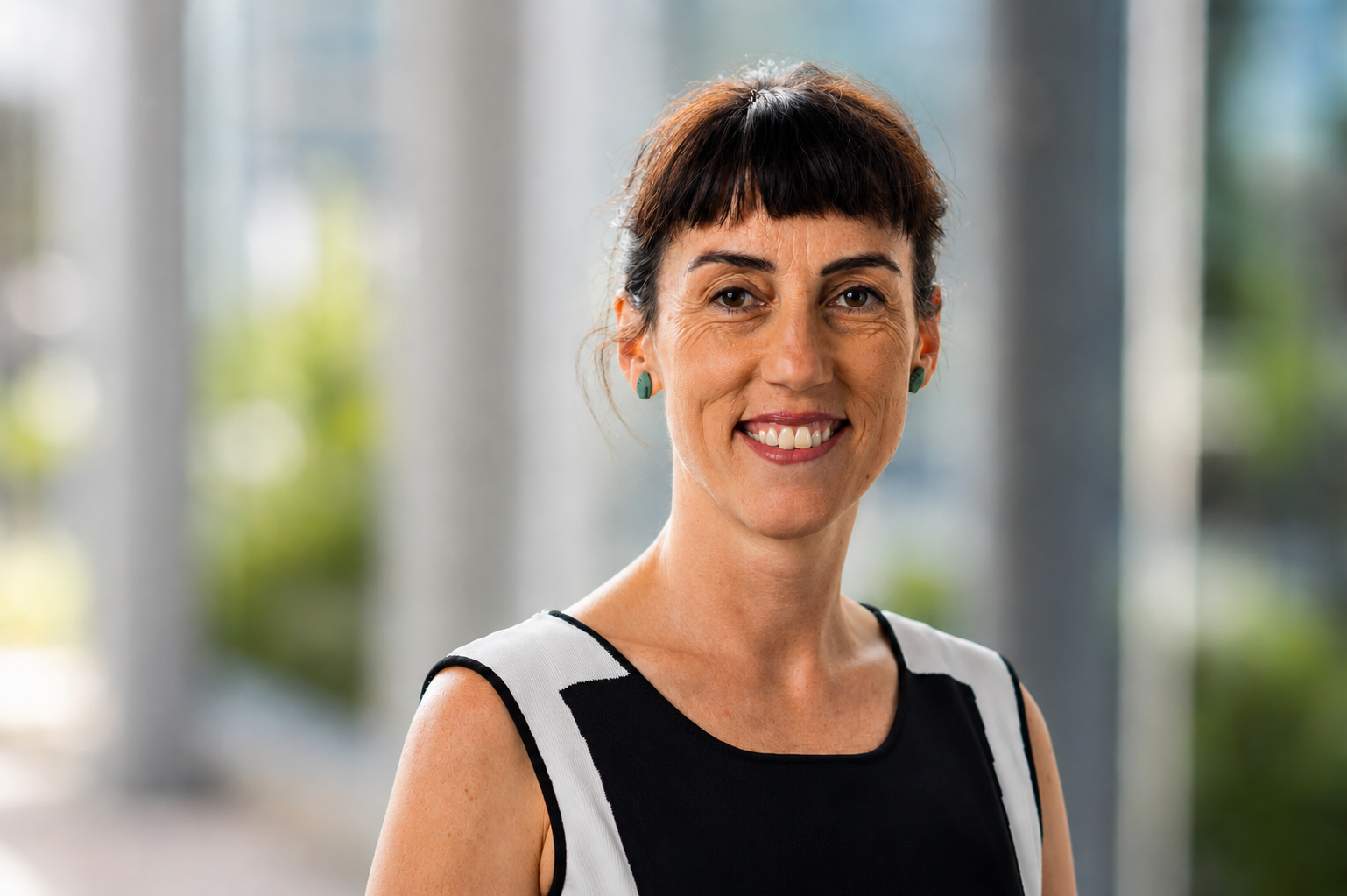 Dr Lucie Lanyon is a Senior Academic in the Discipline of Speech Pathology at La Trobe University and the Coordinator of the Master of Speech Pathology course. Lucie's research focuses on adult neurogenic communication disorders, with a particular emphasis on aphasia rehabilitation, participation and inclusion in community settings. A central focus of her work is understanding how community-based and group interventions can support participation, belonging and psychosocial wellbeing for people with aphasia, including those with severe communication disability. Lucie's research examines how group processes, facilitation and service delivery models influence participation and inclusion, and explores innovative approaches to rehabilitation, including peer-led and community-based models. Lucie's methodological expertise spans qualitative and mixed-methods research, including interpretative and applied approaches to understanding lived experience, participation and service delivery, as well as systematic and scoping review methodologies.
Dr Kathleen Mellahn
 .
.
Dr Maya Menahemi-Falkov
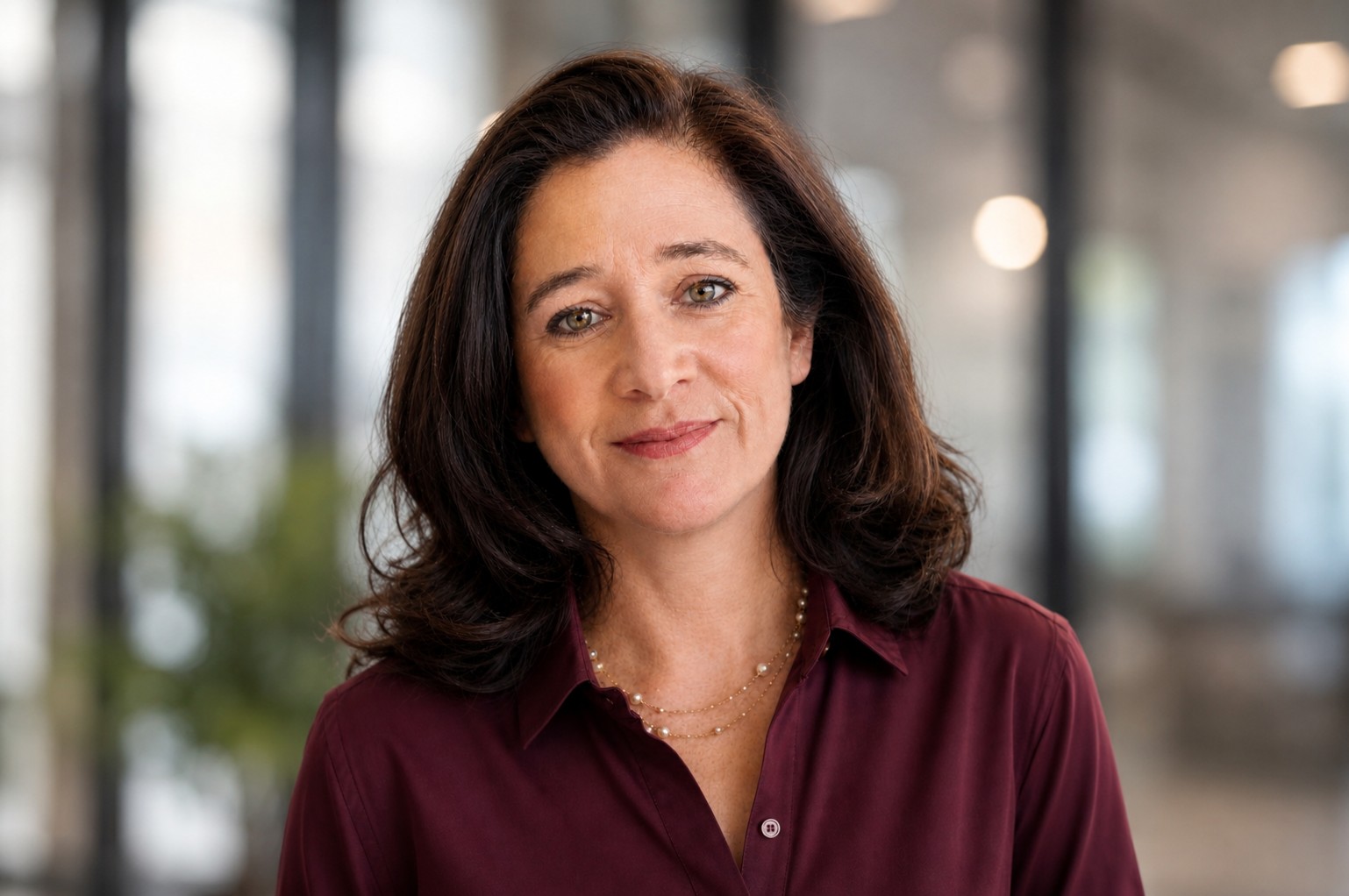 Dr Maya Menahemi-Falkov is a lecturer in the Discipline of Speech Pathology at La Trobe University. She is a member of the Centre of Research Excellence in Aphasia Rehabilitation and Recovery, where she completed her PhD. Her research examines how therapy gains in chronic post-stroke aphasia can be maintained and strengthened over the long term. A key contribution of her work was the first individual-level application of MDC90 in aphasia rehabilitation, demonstrating how group-level outcomes can obscure clinically meaningful patterns of response, change and maintenance for individual people with aphasia. Maya’s approach to aphasia rehabilitation is grounded in person-centred, accessible and evidence-informed care, with a strong focus on meaningful communication outcomes beyond the therapy setting.
Dr Kathryn Pettigrove
 Kathryn Pettigrove is a speech pathologist, lecturer and aphasia researcher. She is passionate about supporting community and connection for people with aphasia and their loved ones. Her research focuses on community aphasia groups and their facilitation. She is a lecturer in the Bachelor of Speech Pathology at the Australian Catholic University in Canberra, and serves on the board of the Australian Aphasia Association.
Simone Rath
 Simone is a Senior Occupational Therapist and Clinical Research Coordinator in the Australian Falls In Stroke Study (FISS – Australia); A national, multi-centre randomised controlled trial that will determine the effectiveness of the Action Falls intervention for stroke survivors returning home. As an Occupational Therapist, Simone has a broad range of clinical experience and skills across acute, rehabilitation and community public health settings, including facilitating clinical supervision.
PhD Candidates
Edwina Lamborn
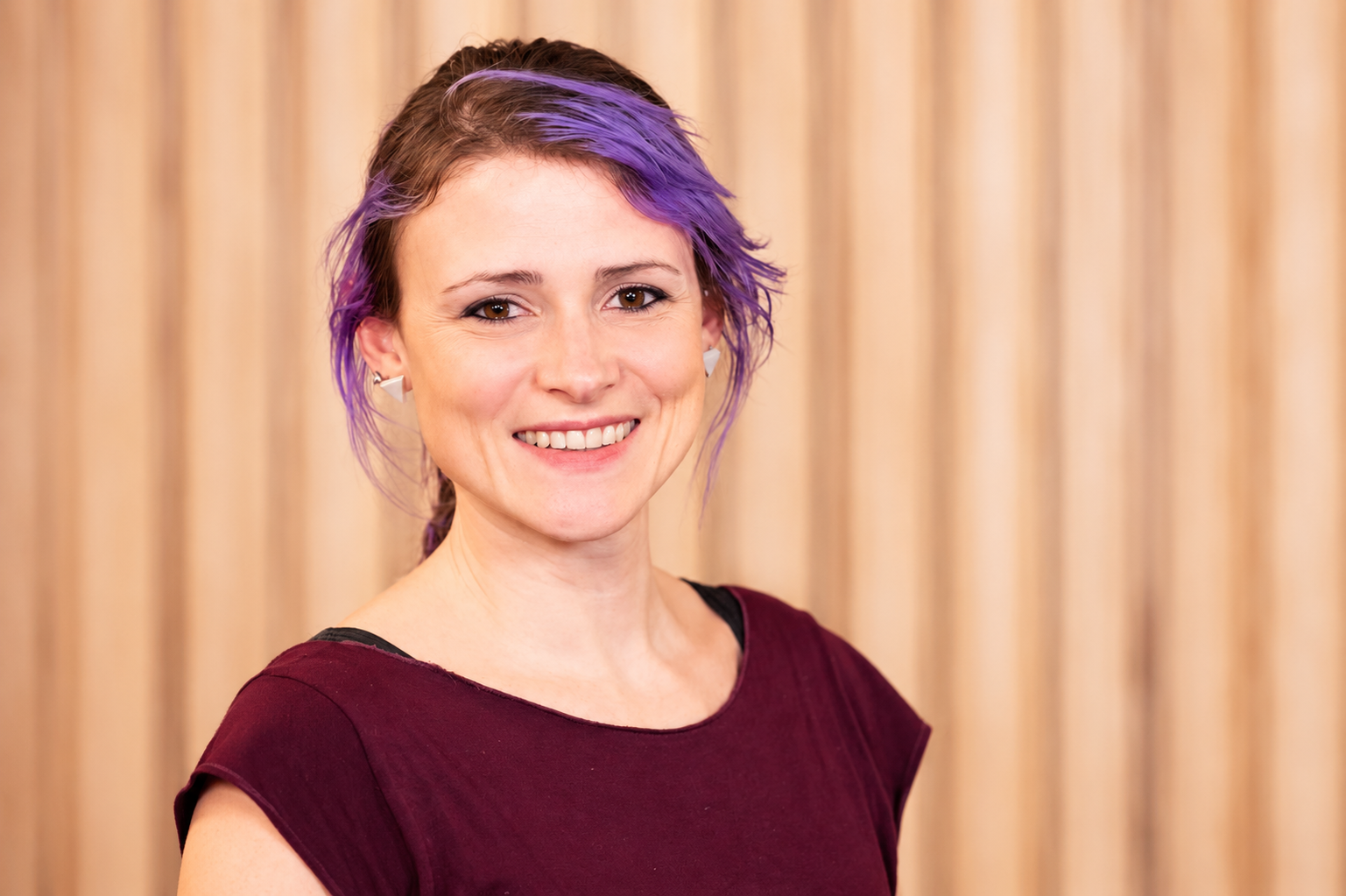 Edwina Lamborn is a speech pathologist completing a PhD within the Aphasia CRE with a particular interest in communication access. Edwina's research is investigating the development and use of digital communication aids for clinical interactions between people with aphasia and their care providers in hospital. She has worked clinically with children and adults across the continuum of care but predominantly with adults in the inpatient acute and rehabilitation settings. Edwina also enjoys assisting other research projects within the Aphasia CRE.
Shu En Lee
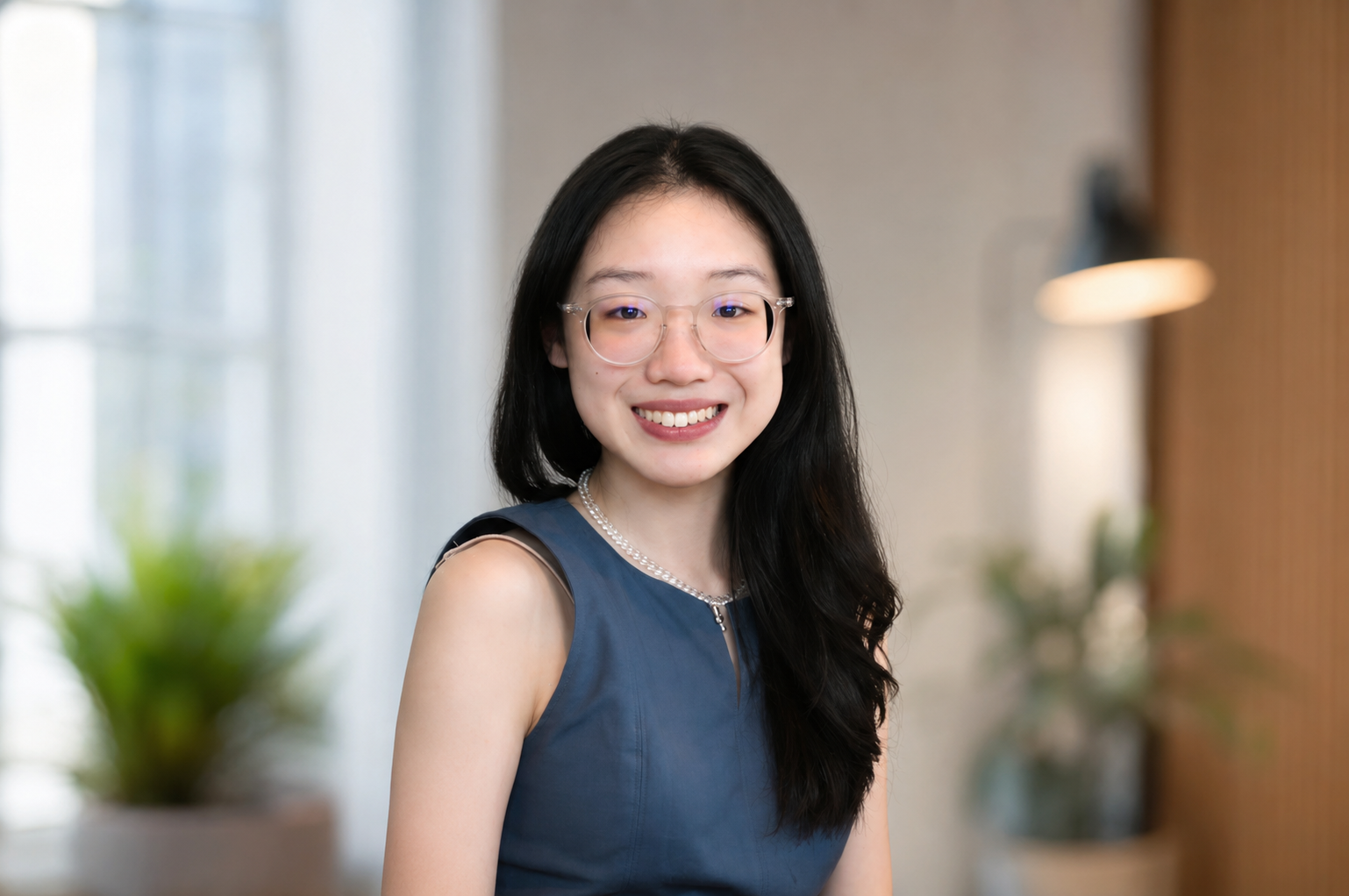 Shu En Lee is a graduate researcher and speech pathologist. Originally from Malaysia, her PhD research focuses on understanding and improving community rehabilitation for people with aphasia in Malaysia. Her research project will be culturally and linguistically adapting an aphasia self-management platform, called Communication Connect that is developed in Australia, to the Malaysian context, through a participatory action research approach. Shu En has an interest in enhancing aphasia care for people from cultural and linguistic diverse backgrounds, as well as achieving equitable long-term care for people with communication disability.
Tanya Ramadan
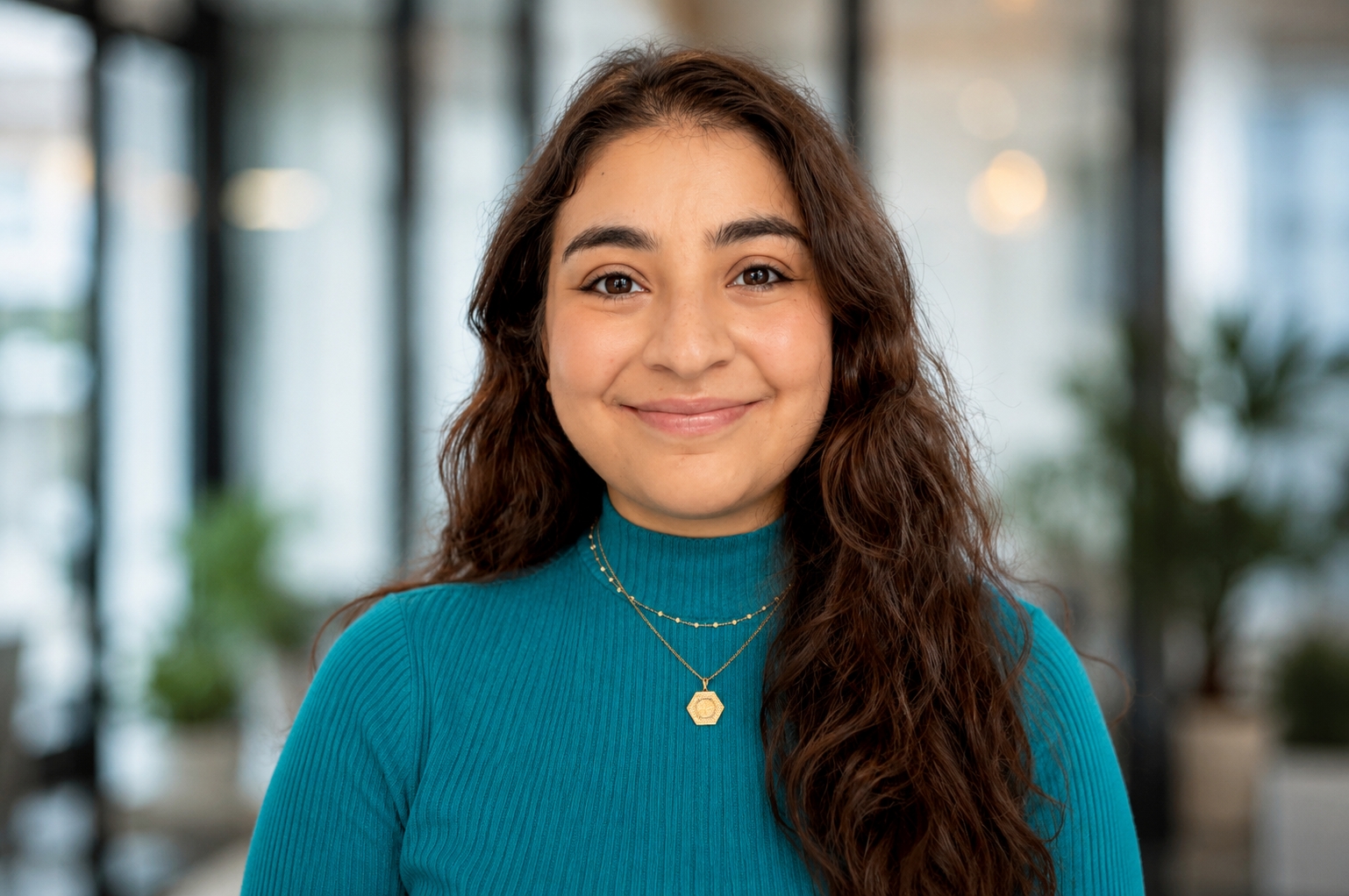 Tanya Ramadan is a PhD candidate at the Aphasia CRE, La Trobe University and speech pathologist with experience across rehabilitation, stroke, community, and aged care services. Tanya's research explores how healthcare professionals can communicate more effectively with people with communication support needs to improve medication safety and healthcare participation, with a particular interest in person-centred healthcare. Drawing on her clinical experience, Tanya is passionate about improving
Nelson Hernandez
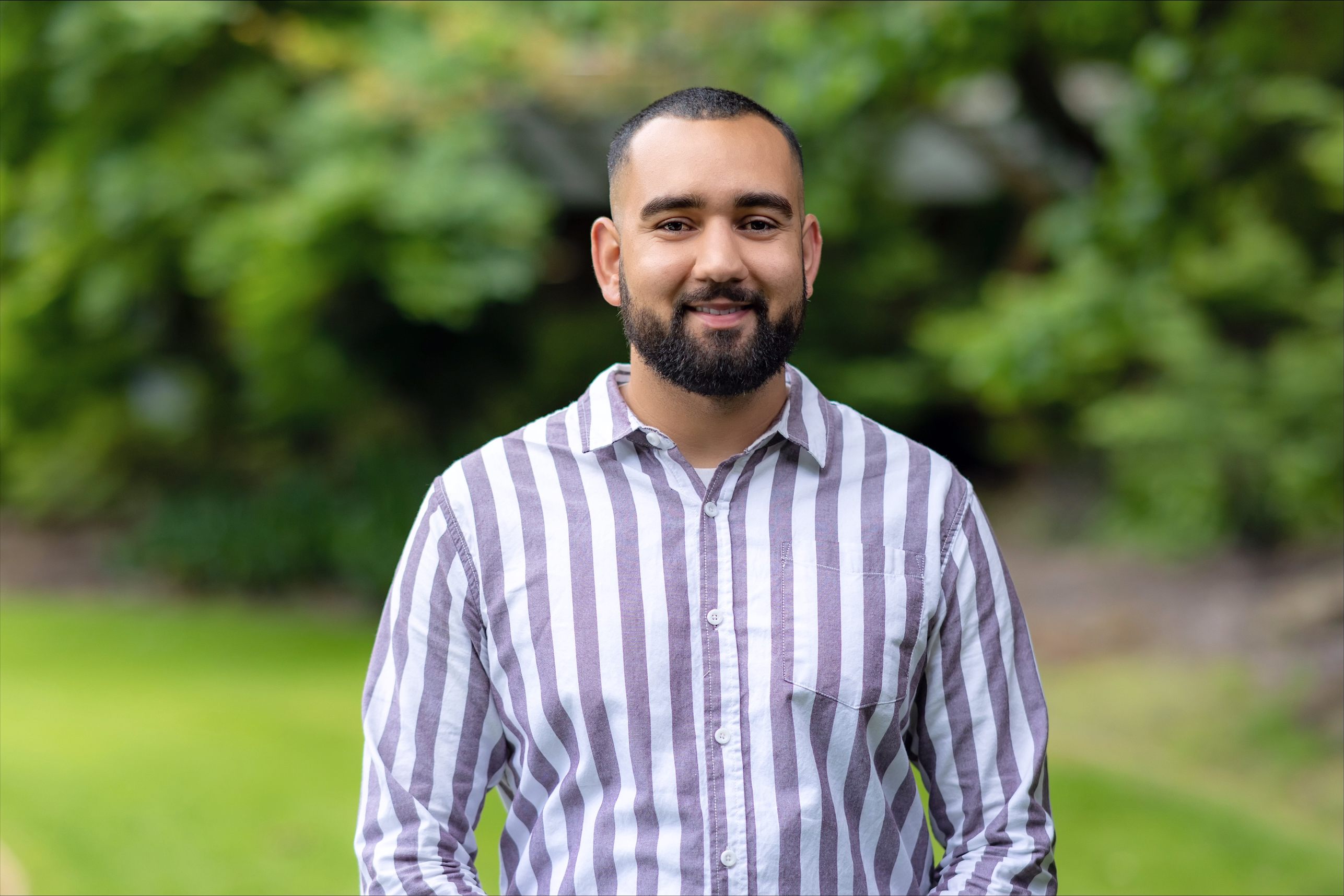 Nelson Javier Hernández is a speech pathologist and PhD candidate within the Centre of Research Excellence in Aphasia Recovery and Rehabilitation. Drawing on his clinical experience across acute, subacute, and community rehabilitation, he has a particular interest in psychological wellbeing, family-centred care, and digital health for people with communication disabilities and their families. Nelson’s current research uses participatory and mixed-methods approaches to develop and evaluate Communication Connect, a digital health platform providing personalised psychoeducation and support to carers and family members of people with communication disability following acquired brain injury.
Nasrin Shahouzaei
 Nasrin Shahouzaei is a PhD candidate at the Centre of Research Excellence in Aphasia Recovery and Rehabilitation at La Trobe University and a speech pathologist with clinical, teaching, and research experience in adult neurogenic communication disorders. She previously worked as a university lecturer and clinical supervisor in Iran. Nasrin has a particular interest in aphasia rehabilitation and person-centred approaches to therapy. Her research focuses on the personalisation of aphasia therapy and how tailoring interventions to individuals’ needs, preferences, and priorities could improve treatment outcomes for people with aphasia.
Roz Shand
 .
.
Kristina Schultz
 .
.
Emeritus & Honorary Team Members
Miranda Rose
 Emeritus Professor Miranda Rose Director of the Aphasia CRE 2019 - 2025.
Emeritus Professor Miranda Rose is an internationally recognised leader in aphasia rehabilitation. Over an academic career spanning four decades, she has advanced understanding of communication recovery following stroke and helped transform rehabilitation practice in Australia and internationally. Her research has focused on improving the effectiveness of aphasia therapy and enhancing psychosocial wellbeing and community participation for people living with the long-term effects of stroke and their families. Her work has improved access to evidence-based therapies, informed clinical guidelines, and supported the development of new technologies and community programs for people with communication disabilities. In recognition of her outstanding contribution to the field, she received Speech Pathology Australia's highest honour, the Elizabeth Usher Prize, and the international Robin Tavistock Award for significant contributions to aphasia research and rehabilitation.
The Aphasia CRE Foundation Team 2019 - 2024
The Centre of Research Excellence in Aphasia Recovery and Rehabilitation was established in 2019 through the original NHMRC Centre of Research Excellence grant. We acknowledge the founding investigators, researchers, clinicians, and people with lived experience whose vision created the Centre and laid the foundation for our ongoing research.
Connect with us
Join us: receive latest news and be involved with aphasia research and community activities.
Contact us: collaborate with our team or learn more about aphasia.