
Nature Conservation Work
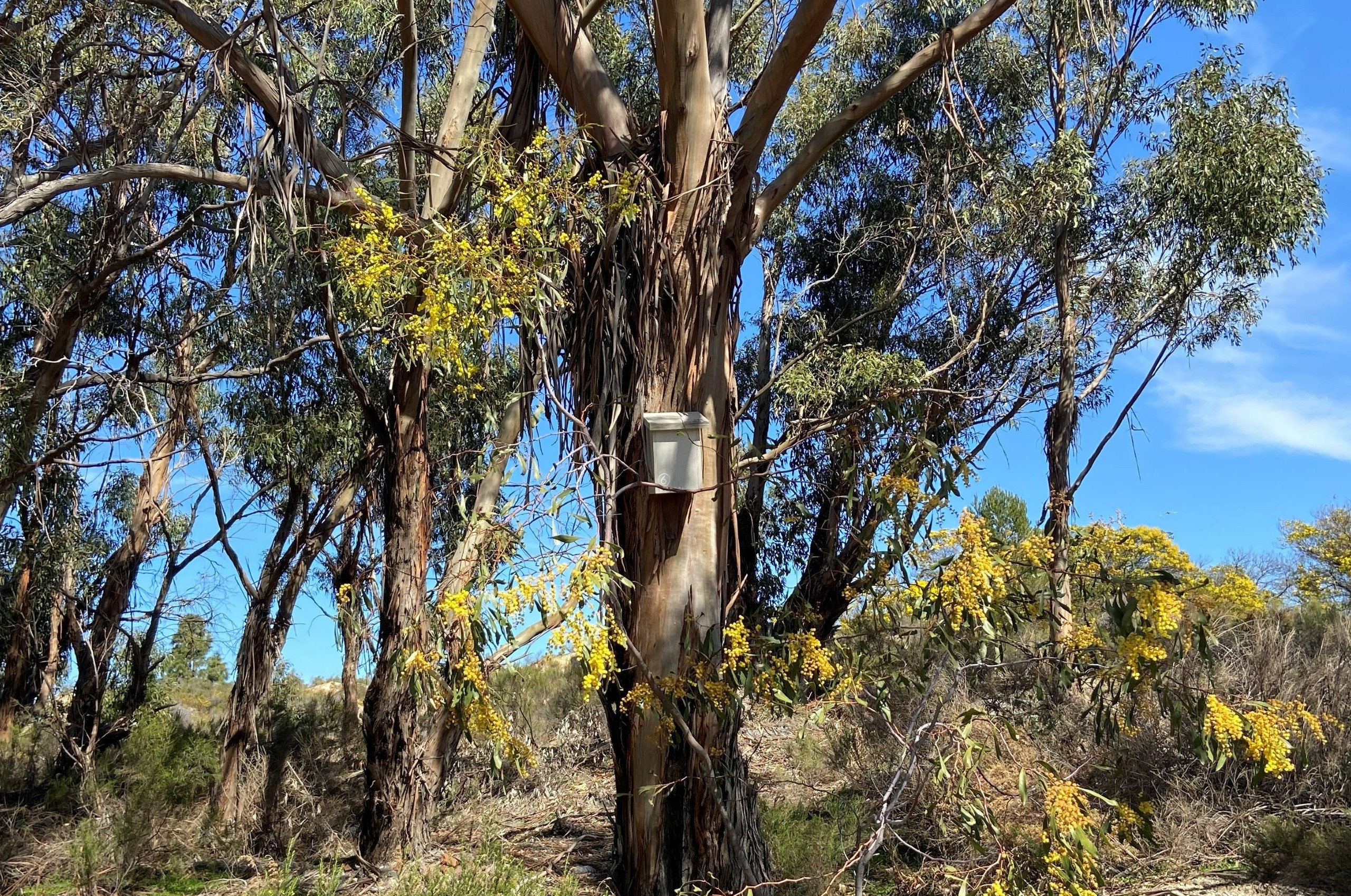
All of life and social systems rely on a healthy environment, and we shape the health of the environment through Natural Resource Management (NRM) work. However, NRM work faces challenges, including being reliant on a volunteer workforce, and responding to the impacts of climate change on species and ecosystems that it aims to care for and protect, as well as the work itself.
This research brings together these challenges and analyses the impacts of climate change on NRM workers, and their ability to perform their vital work. Developed with Nature Network Bendigo Region, the research was funded by Lord Mayor’s Charitable Foundation, and engaged with the Network’s 10 Landcare groups from May 2025 to April 2026.
Key findings include:
- Conservation volunteers do an immense of amount of work, underpinned by capabilities, that are all donated. From on-ground activities, and engaging with communities, to administering the groups, managing risks, engaging in strategic planning, working with stakeholders, developing knowledge, and undertaking advocacy, education, communication, and promotion, this work needs to be understood, valued, and supported.
- Engagement with land, is also engagement with its people as a matter of justice, and the Groups engage with Dja Dja Wurrung Clans Aboriginal Corporation (DJAARA) through formal land management requirements, and individual Group projects, and there is an opportunity to deepen engagement that involves recognition of DJAARA’s right to self-determine, shared values and goals, and capacity needs of both DJAARA and the Groups.
- Climate change impacts all aspects of volunteer conservation work. Climate change disrupts work, causes loss and damage to species and sites, increases demands and the costs of the work, contributes to concerns and at times, distress for participants, and increases risk and uncertainty.
- The compounding impacts of barriers to conservation volunteering, local issues, and climate change, deepen challenges to this vital work, and require institutional support so that conservation volunteer groups are able to adapt.
Read more about adaptation opportunities in our report: Nature conservation work in climate change [PDF 1.3 MB]
For further information please contact: Dr. Lisa de Kleyn, Research Fellow, Climate Change Adaptation Lab, l.dekleyn@latrobe.edu.au