Pioneering research is underway to expand treatment options for chronic infections, inflammatory diseases, and oral cancers at the Holsworth Biomedical Research Centre, La Trobe Rural Health School.
Increasingly, antibiotic resistance complicates the management of persistent infections and life-threatening diseases. By harnessing viruses that selectively target and eliminate harmful bacteria (bacteriophages), this research has the potential to provide a cost-effective and powerful alternative to patients.
Led by Dr Mwila Kabwe and Professor Joseph Tucci, the research team are focused on the potential of bacteriophages to improve health outcomes for rural communities who often have higher rates of chronic conditions and greater barriers to prevention and treatment. "By developing innovative therapies and collaborating with leading institutions, we aim to bridge gaps in healthcare and offer new hope to patients facing chronic and life-threatening diseases,” said Professor Tucci.
Strategic partnerships with institutions such as the Olivia Newton John Cancer Research Institute, Melbourne Dental School, and Flinders University are accelerating progress and expanding the research impact.
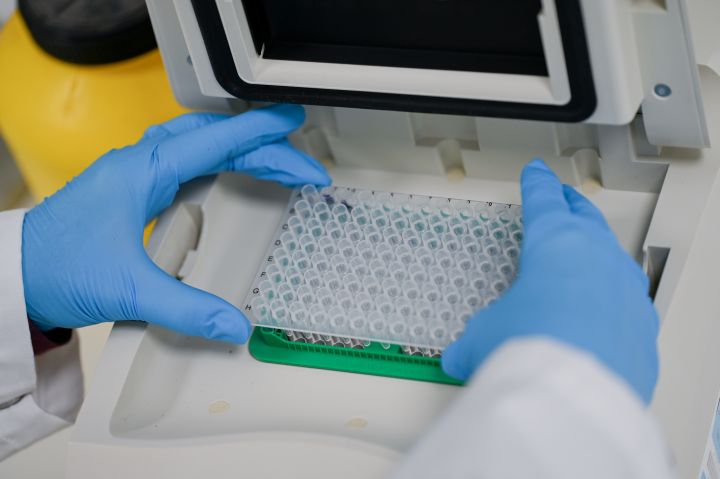
Key achievements include the development of a cost-effective, sensitive method for testing bacteriophages to assess their safety for delivery to patients. The research portfolio now includes PhD projects on bacteriophage therapy for periodontitis (gum disease) and oral cancers, contributing to scientific advancement and researcher training.
Recent peer-reviewed publications, including Kabwe et al. (2025), Journal of Oral Microbiology, provide a strong foundation for future clinical trials and new therapies.
The overarching goal is to develop innovative treatments tailored to the needs of rural communities, bridging healthcare gaps and offering hope to patients with chronic and difficult-to-treat diseases.