At La Trobe University, the Animal Research and Teaching Facility (LARTF) plays a vital, behind-the-scenes role in advancing biomedical, behavioural, and ecological research. But it’s more than just a state-of-the-art facility; it’s a highly adaptable platform built to support industry collaboration, ensure regulatory compliance, and uphold the highest standards of animal welfare.
From birds to zebrafish, LARTF offers a breadth of animal research capabilities rare in Australian universities, and its flexible, end-to-end service model makes it uniquely suited to industry partnerships.
Where industry innovation meets integrity
La Trobe developed the facility to not just meet, but exceed, welfare standards for working with animals and support responsible, collaborative research.
LARTF offers modern housing, technical services, ethical oversight, and training, supporting both academic and industry users. It plays a dual role, enabling high-quality research and also building research capability through education.
“There’s a really strong emphasis within the regulations and the code stating that animal research procedures can only be performed by competent people,” says LARTF Senior Manager, Dr Tanmay Shekhar.
“That’s why teaching is part of the facility’s name – it’s a big part of what we do.”
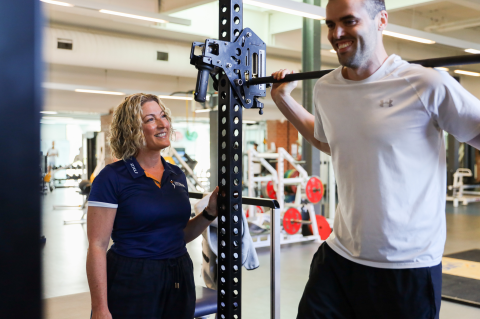
Beyond supporting research and practical teaching within the University, LARTF also delivers training and competency assessments for students and external partners.
From lab mice to wallabies
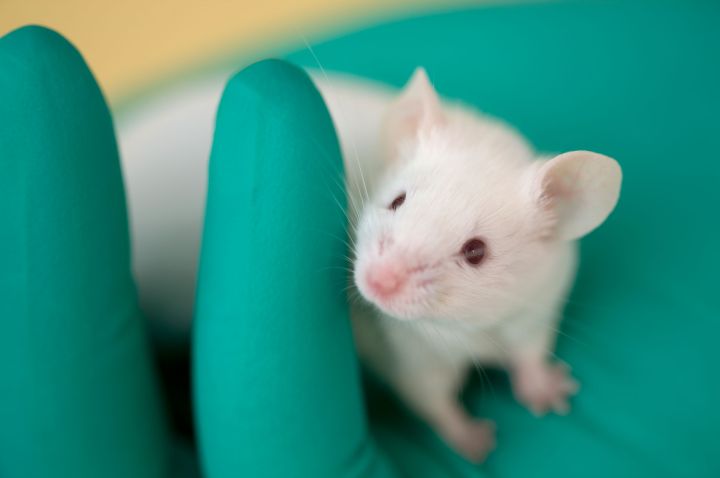
LARTF’s purpose-built facilities support a broad range of research, from basic biology to applied studies in neuroscience, genetics, and disease modelling. While mice and zebrafish are most commonly used, the platform also accommodates rats, wallabies, cane toads, chickens, snakes, and jacky dragons, enabling both traditional lab and wildlife research.
“It’s not just a stock-standard rodent facility,” says Dr Shekhar. “We can support work with chickens, other bird species, and even some native mammal species.”
With seven facilities across La Trobe’s Melbourne Campus in Bundoora, and additional support spaces as needed, LARTF is designed to be flexible, scalable, and responsive to partner needs.
LARTF includes a PC2-certified central animal house, a Specified Pathogen Free (SPF) rodent-breeding facility, and an advanced zebrafish housing system with quarantine capacity. Key features include: PC2-certified surgical spaces; embryo injection systems; behavioural neuroscience suites with cutting-edge testing tools; and veterinary expertise for surgery, diagnostics, and welfare refinement.
Researchers also have access to specialised equipment such as a small-animal irradiator, in vivo optical and ultrasound imaging systems, and a fluorescence microscope – resources often beyond the reach of individual organisations.
The LARTF team helped us navigate ethics approvals, source the right animals, access equipment, and even provided hands-on training and weekend support. We didn’t have our own lab setup, but they had everything we needed and made it work. Their support was practical, consistent, and genuinely collaborative. Thanks to them, a complex pilot study ran smoothly.
Proven industry success
LARTF has already enabled successful collaborations across a range of industries, including biomedical device development and pharmaceutical research.
A recent standout involved Systematic Medicine, a Melbourne-based biotech startup researching ageing biomarkers in mice. LARTF supported them through the full research journey, from animal procurement and housing through to compliance advice, training, and logistical coordination.
“The LARTF team helped us navigate ethics approvals, source the right animals, access equipment, and even provided hands-on training and weekend support,” says Cameron Fraser, Research & Development Manager at Systematic Medicine. “We didn’t have our own lab setup, but they had everything we needed and made it work. Their support was practical, consistent, and genuinely collaborative. Thanks to them, a complex pilot study ran smoothly.”
Another example is Epigenes, a partner conducting epigenetic and metabolic studies using rodents. LARTF helped them procure specific animal strains, provided technical assistance with procedures such as blood collection, and trained their staff to build independence in the facility.
Built for flexibility, backed by expertise
Industry partners can engage at any level, from simply hiring space to accessing training, equipment, and full-service delivery – including animal procurement, husbandry, procedures like dosing and tissue collection, and sample handling.
“You can come in and do everything yourself, or we can do everything for you,” says Dr Shekhar. “It just depends on what you need.”
Importantly, all industry work is carried out under strict oversight. LARTF helps partners navigate ethics submissions, biosafety protocols, and compliance with regulatory bodies, like Animal Welfare Victoria and the Office of the Gene Technology Regulator.
“We work with some high-risk projects,” explains Dr Shekhar. “But we’ve got a good understanding of compliance requirements, and robust systems in place to manage those risks.”
Delivering practical outcomes without compromise
For industry partners looking to engage in animal research, LARTF offers a rare combination of best-in-class facilities, expert personnel, flexibility, and a strong ethical framework. The facility enables faster, more efficient outcomes while ensuring the highest standards of animal welfare.
Industry partners can work confidently, knowing that their research is conducted in a facility where animal welfare, ethics, and scientific integrity are central.
“Animal welfare is paramount,” says Dr Shekhar. “If you don’t have a good level of animal welfare and standards, your research is not going to be to that level either. That’s what we pride ourselves on.”
For more information and to explore collaboration opportunities, visit La Trobe University’s La Trobe Animal Research and Teaching Facility (LARTF) website.