Advancing accessible, digitally enabled diabetes care
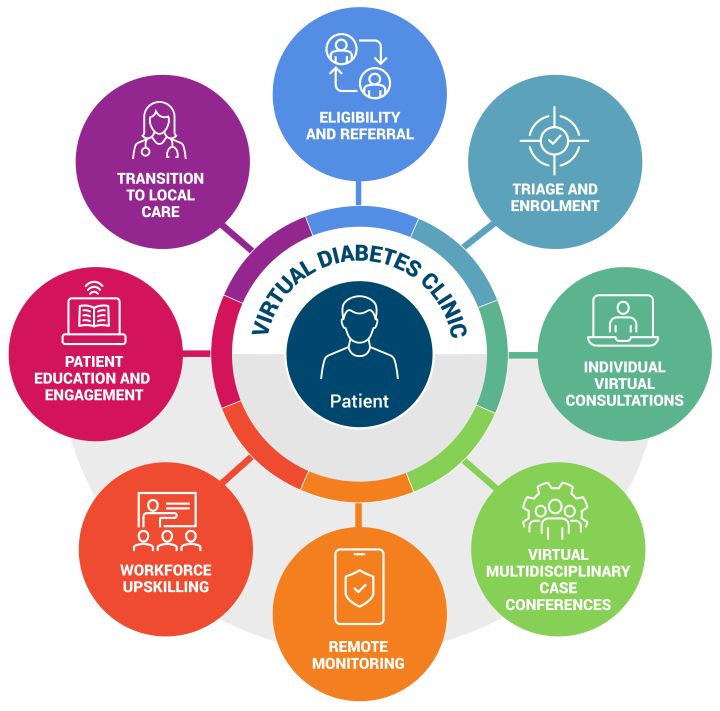
The Virtual Diabetes Clinic brings together clinical, digital and behavioural expertise to design and test a virtual model of diabetes care that improves equitable access, continuity and rural and regional patient experience. The project aligns with La Trobe’s focus on research with direct community benefit and Medibank’s commitment to supporting innovation and care models for the future.
Delivered through La Trobe’s research and innovation ecosystem, the project will explore how virtual models can better support people living with diabetes, particularly where traditional face‑to‑face care may be difficult to access or sustain.
Strengthening the La Trobe – Medibank strategic partnership
This grant builds on the strategic partnership between La Trobe University and Medibank, which spans research, innovation and health system impact. The Virtual Diabetes Clinic demonstrates how collaborative investment can accelerate research translation and deliver tangible outcomes for communities.
Medibank announced the 2026 grant recipients, recognising La Trobe’s project as part of a national cohort focused on improving health outcomes through applied research and innovation.
Research leadership
The project is led by Dr Tshepo Rasekaba, whose research focuses on digital health, chronic disease management, rural health services and ageing, supported by a multidisciplinary La Trobe research team.
“This funding allows us to rigorously test a virtual model of diabetes care that puts people at the center and meets them where they are. By combining digital innovation with clinical expertise, the Virtual Diabetes Clinic has the potential to improve access, continuity of care and long‑term health outcomes for people living with diabetes in rural communities and beyond.”
Looking ahead
The Virtual Diabetes Clinic will commence its next phase of research activity in 2026, contributing to evidence on how virtual care models can be embedded safely, effectively and at scale across the health system. Outcomes from the project are expected to inform future service design, policy and further research and partnership opportunities.
The research is being conducted through the John Richards Centre for Rural Ageing Research, part of La Trobe Rural Health School.