New research from Dr Elise Hunkin shows how government policy language shaped very different responses to early childhood education and care during the COVID-19 pandemic.
The study examined how the federal government used the label ‘essential’ to position childcare as critical to keeping the economy running, keeping services open so people could continue working. This formed part of a broader ‘essential’ and ‘non-essential’ distinction that shaped how the sector was governed.
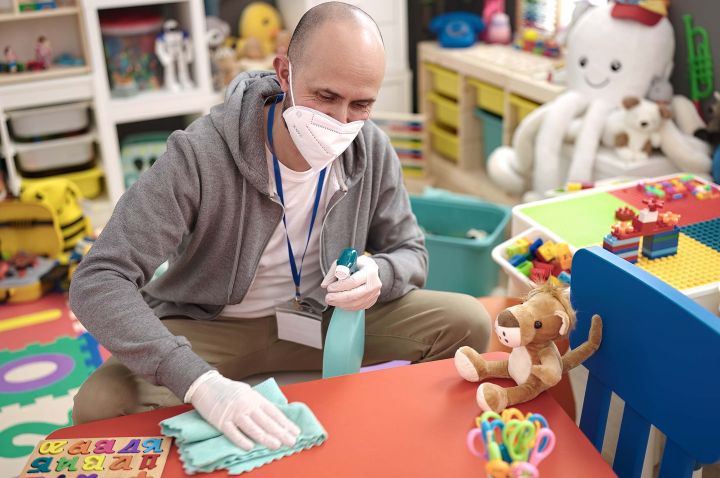
“As a result, childcare services were largely left to manage the risks and responsibilities of operating during the pandemic with limited support,” she explains. “In contrast, the Victorian Government assumed greater responsibility for kindergarten, introducing closures alongside support for cleaning, remote learning and fee relief.”
The findings show how differences between federal and state government policies reinforced longstanding distinctions between ‘care’ and ‘education’, particularly under crisis conditions.
“Rather than creating new challenges, pandemic responses exposed and intensified existing tensions within early childhood policy.”
Dr Hunkin says the research highlights the need for more coherent, shared responsibility across levels of government to better support the sector in future emergencies.