A new study by Dr Lev Bromberg examines the process by which Australia’s animal welfare standards are created, and whether they truly protect animals or simply serve industry interests.
“Over the last decade, there have been growing concerns about the limitations of the Australian animal welfare regulatory framework. Central to these concerns are the statutory standards that define what is legally permissible under animal protection legislation. There are also substantial community and scientific concerns that the minimum animal welfare standards remain too low,” he says.
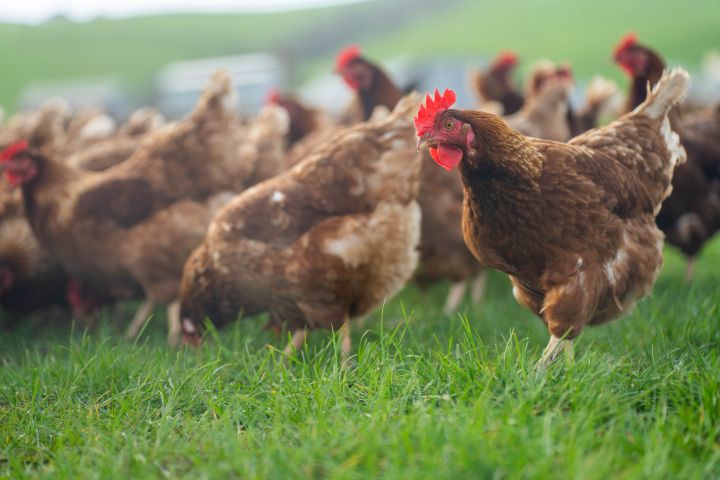
Using a new approach that recognises not just humans, but other sentient animals as regulatory as stakeholders, Dr Bromberg’s research focuses on the way that poultry welfare standards were created in Australia.
“The findings show how the standard-setting process for poultry welfare in Australia was heavily influenced by private, industry-aligned interest groups, and that the interests of animals were subordinated.”
“For example, draft standards originally allowed battery cages, despite evidence that these intensive systems cause hens to suffer,” he explains. “After intense public pressure, this process was changed, and the final standards included the decision to phase-out battery cages.”
Dr Bromberg’s says that these changes demonstrated that procedural legitimacy matters.
“This is the first study to evaluate the legitimacy of animal welfare regulation from both a process-oriented and multi-species stakeholder perspective. It illustrates the need to address gaps in representation of vulnerable stakeholder groups and shows that meaningful change can only happen when the voices of all stakeholders – including animals – are taken seriously.”