Artificial intelligence (AI) is transforming almost every aspect of society, yet its impact on sentient animals has received little attention.
Dr Lev Bromberg has published a chapter in Animal Law in Australasia, co-authored with Professor Christine Parker and Dr Simon Coghlan, exploring how AI is already shaping the lives of animals, and what must be done to ensure they are protected as these technologies advance.
“AI can benefit animals in important ways. For example, it can help vets read X-rays or detect pain in cats and dogs. AI may also allow humans to better translate animal communication and better understand animals’ point of view, such as interpreting whale song.”
“AI can also help better understand animal preferences. For example, AI has also been used to discover which trees and artificial structures are best for birds.”
Despite these opportunities, the chapter argues that AI law and policy have overlooked animals. Without deliberate intervention, Dr Bromberg warns, AI could entrench existing harms or create new ones, such as AI factory farms run almost entirely by smart systems.
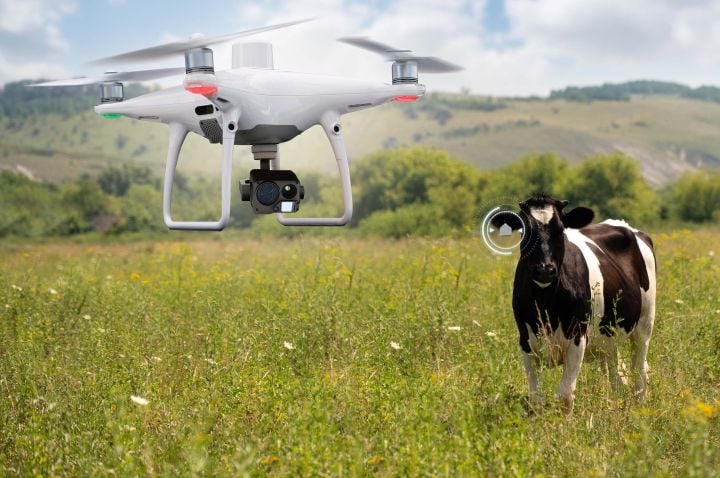
“From precision livestock farming to automated drones and generative models, AI is rapidly reshaping human-animal interactions and ecosystems. These powerful technologies could amplify existing harms to animals or create new ones, undermining societal commitments to promoting animal wellbeing and respectful animal treatment.”
“Our research calls for AI governance regimes and technical standards for AI systems to incorporate animal impact assessments alongside human rights and environmental assessments.”
“We hope to reframe AI law and policy as something not only for human safety and rights but for the flourishing of all sentient life.”