
Rethinking Transport: Safer Spaces and Better Connections
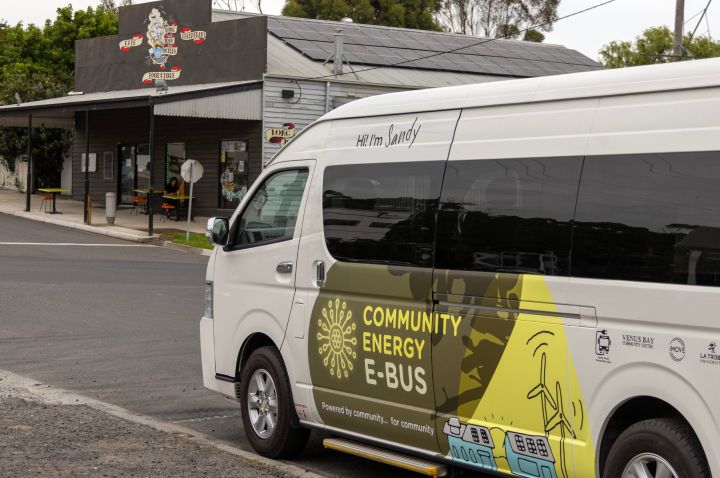
La Trobe University research through the iMOVE Cooperative Research Centre is helping improve transport access and inclusion, from designing more compassionate public transport spaces to supporting community-run electric buses in regional Victoria.
Connecting Gippsland communities through electric buses
Ani Desai, Erik van Vulpen, Diana Heatherich and Magda Szypielewicz
Many small rural and regional communities in Australia are public transport black spots, with limited or no public transport. The lack of transport increases social disadvantage and reduces access to employment and services. In 2023, two Gippsland coastal communities secured funding through Victoria’s Flexible Local Transport Solutions Program for two electric minibuses to trial community transport services. With funding from iMOVE Australia, the Centre for Technology Infusion (CTI) at La Trobe University led a two-year pilot project in partnership with the Venus Bay Community Centre, Sandy Point Bus Management Committee and the Department of Transport and Planning. The research investigated the viability of a community-run transport service, evaluated best practices for its operation, and measured the benefits delivered to the community.
The resulting report and accompanying toolkit, both published in March 2026, provide a case study and practical guidance for communities wishing to implement a similar service. These resources are now being used to inform policy development in relation to community mobility services which both increase uptake of green technologies and reduce social disadvantage. Leah Bellairs, Integrated Transport Planner at Transport Victoria, comments that “The toolkit and report have been a gamechanger for us”, noting that they are providing an evidence-based reference point for queries and implementation is being considered by at least seven other Victorian communities.
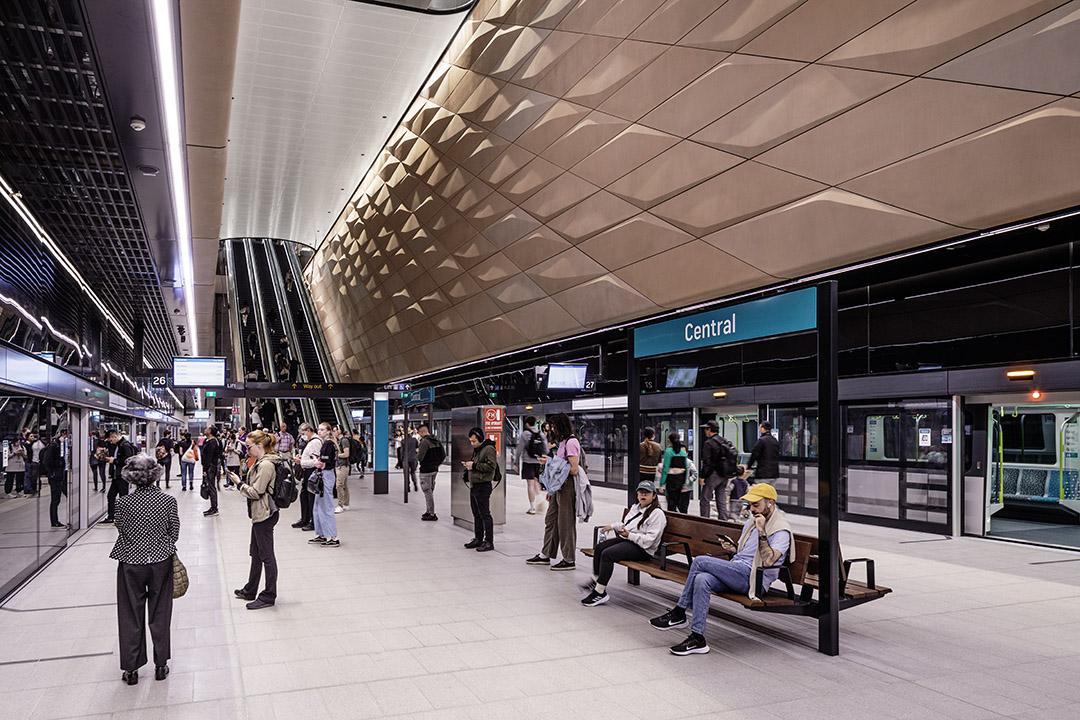
Creating safer transport spaces for people experiencing homelessness
Train stations and other transport infrastructure are often used by rough sleepers and those experiencing homelessness. Transport for NSW (TfNSW) are working with local authorities and organisations providing homelessness support to create built environments that are safe and accessible for both rough sleepers and transit passengers. Care in Transit: Designing for Passengers, Transport Operations, and Homelessness Support was commissioned by TfNSW to explore how transport environments can be designed and managed to better support rough sleepers while maintaining high-quality service delivery.
Led by La Trobe University in association with iMOVE CRC, the University of Sydney and Inclusive Design, the award-winning project produced Design Principles, Best Practice Guidelines and a Stakeholder Framework that enables transport hubs to function as inclusive and compassionate public spaces. Recommended interventions include amenity design, trauma-informed staff training, lived-experience peer supporter roles, and dedicated wellbeing hubs. TfNSW have committed to implementing these recommendations in alignment with the NSW Homelessness Strategy Action Plan, and have initiated relevant processes to improve governance, training and design.
Care in Transit received a 2025 Planning Institute of Australia (NSW Division, and additionally Highly Commended in National 2026) Planning Research Award for Excellence and was also Highly Commended at the International Healthy City Design Awards in Manchester, UK. The project was recognised for demonstrating how transport infrastructure can be used to create an ecosystem of care that supports social wellbeing without diminishing the experience of passengers or staff.