
Building a Sustainable Future with Hempcrete
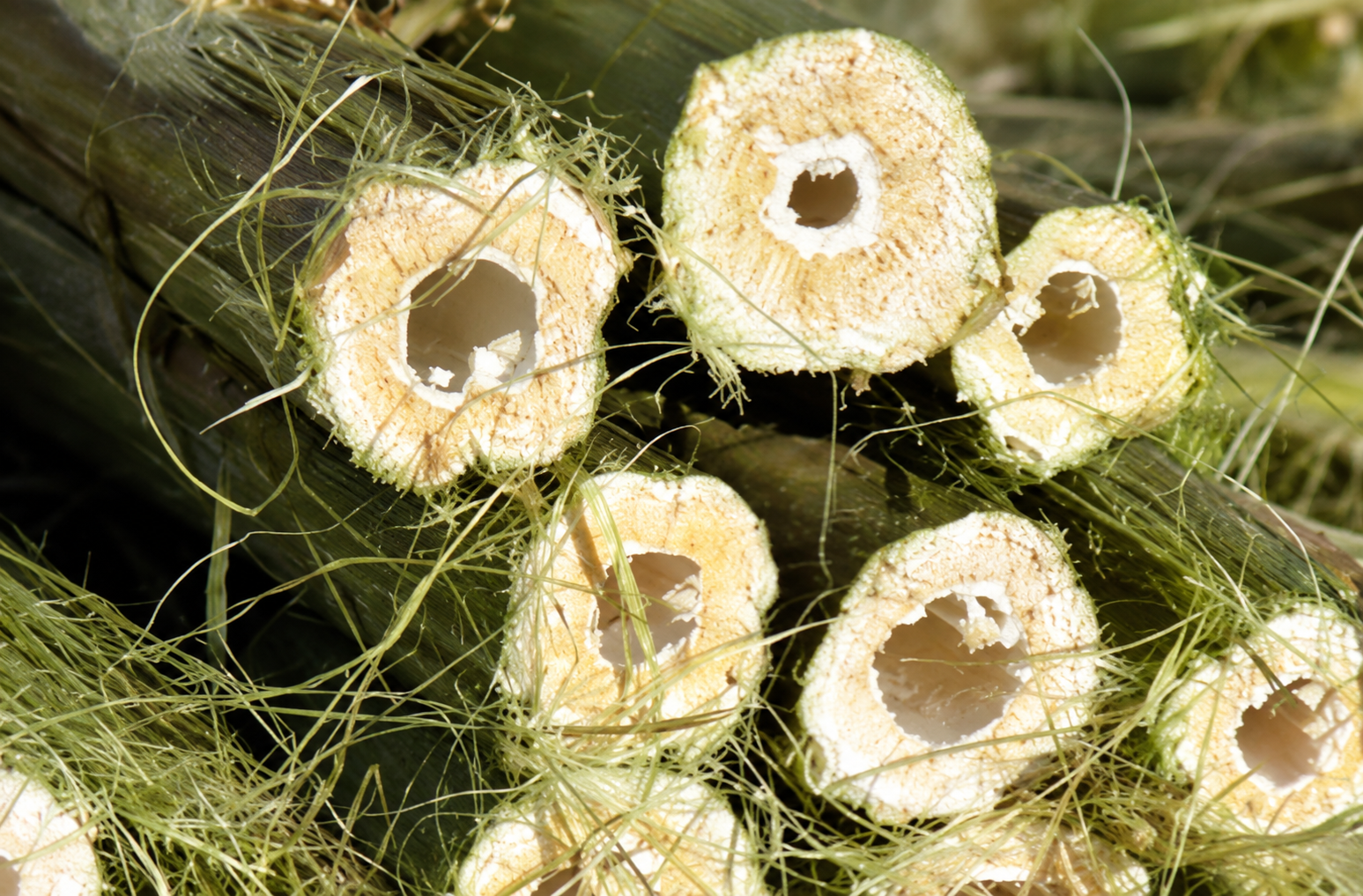
Research from La Trobe University's Institute of Sustainable Agriculture and Food is helping shape the future of Australia's industrial hemp industry. Exploring the potential of hempcrete as a sustainable, low-emission building material, the research has informed a 2026 Senate inquiry and contributed to national recommendations aimed at expanding the industry's role in construction, regional development and sustainable manufacturing.
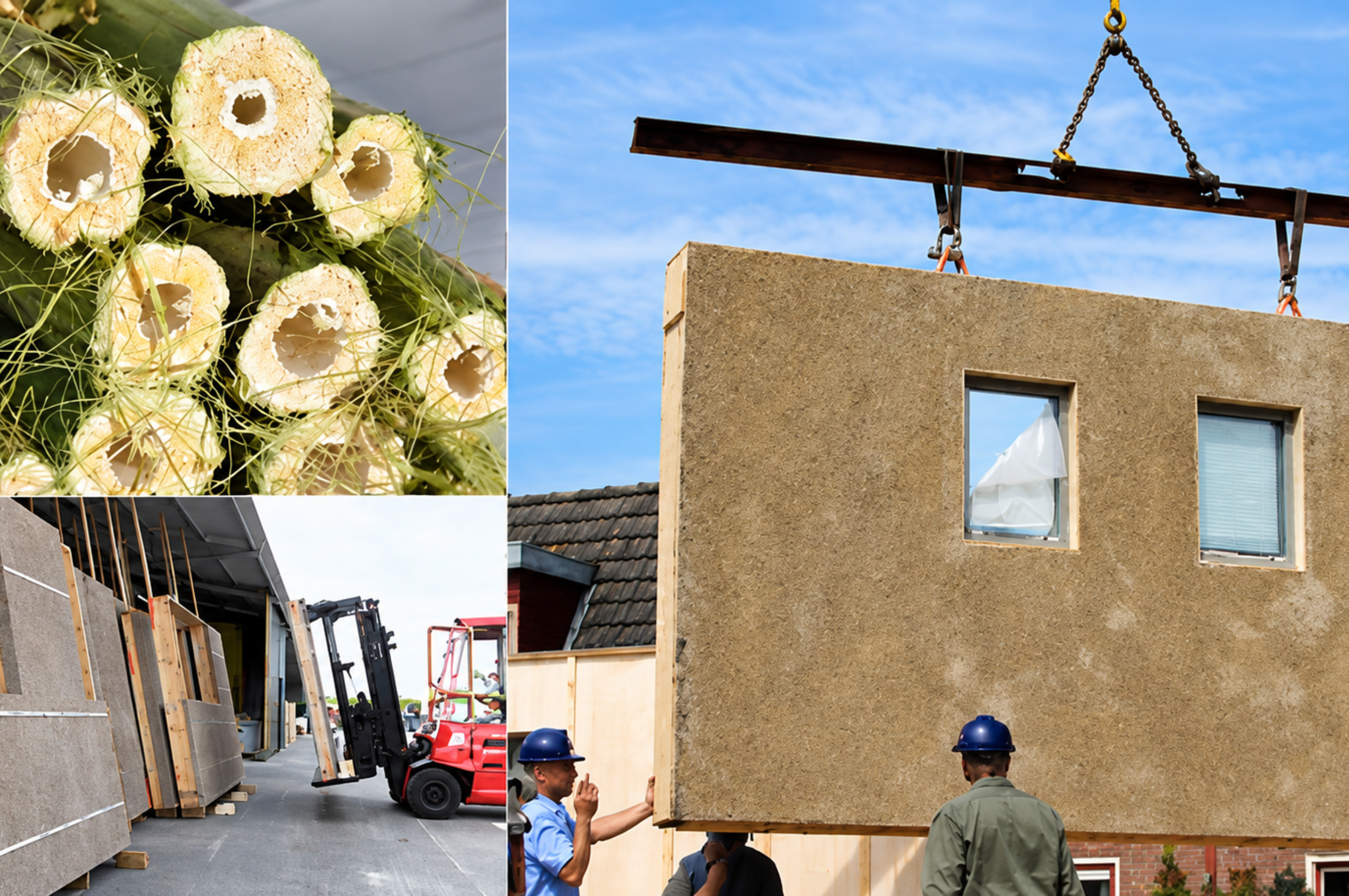
Team: Antony Bacic, Veronica Borrett, David A. Fleming-Muñoz, Julio Mancuso Tradenta and Ernesto Valenzuela.
Industrial hemp has proven its potential as a renewable, fire-resistant construction material. However, its use in Australian construction remains low, limiting the scalability of production. Research by a team at the La Trobe Institute for Sustainable Agriculture and Food (LISAF) has been supporting the growth of this industry over a number of years. Key outputs include the Hemp in Gippsland: Potential Multi-Industry Development report (2024), the Industry Perspectives on Hempcrete Panels report (2025) and accompanying policy brief, and a recently completed report on Global Hemp Production and Trade (2026).
This body of research substantially informed La Trobe's contribution to the 2026 Senate inquiry into Opportunities for the development of a hemp industry in Australia. Led by Dr Ernesto Valenzuela, the LISAF submission drew on the earlier research to bring together evidence on regulation, supply chains, construction materials and markets, particularly the studies on hempcrete in regional development and low-emission housing by Valenzuela and Mancuso Tradenta. Professor Monika Doblin and Professor David A. Fleming-Muñoz appeared before the Senate committee to provide evidence on the opportunities and challenges involved in developing a robust Australian hemp industry.
La Trobe's submission was cited more than 30 times in the Senate report and helped inform four of its recommendations: encouraging demand through government procurement (7), developing construction standards for hemp-based products (9), recognising hempcrete in the National Construction Code (12), and supporting further research and development of industrial hemp products (13). Citing Professor Fleming-Muñoz, the Senate report recognises that "Demand side is the ultimate driver of the industry" (p. 64), highlighting the importance of building a viable market to encourage hemp production.