
Uncovering Freshwater Biodiversity in Papua New Guinea's Rivers
La Trobe University researchers are applying their expertise in freshwater biodiversity to Papua New Guinea's Strickland River catchment, identifying aquatic insects and developing scientific resources to strengthen environmental monitoring and improve understanding of river ecosystems.
Lead Researcher: Michael Shackleton
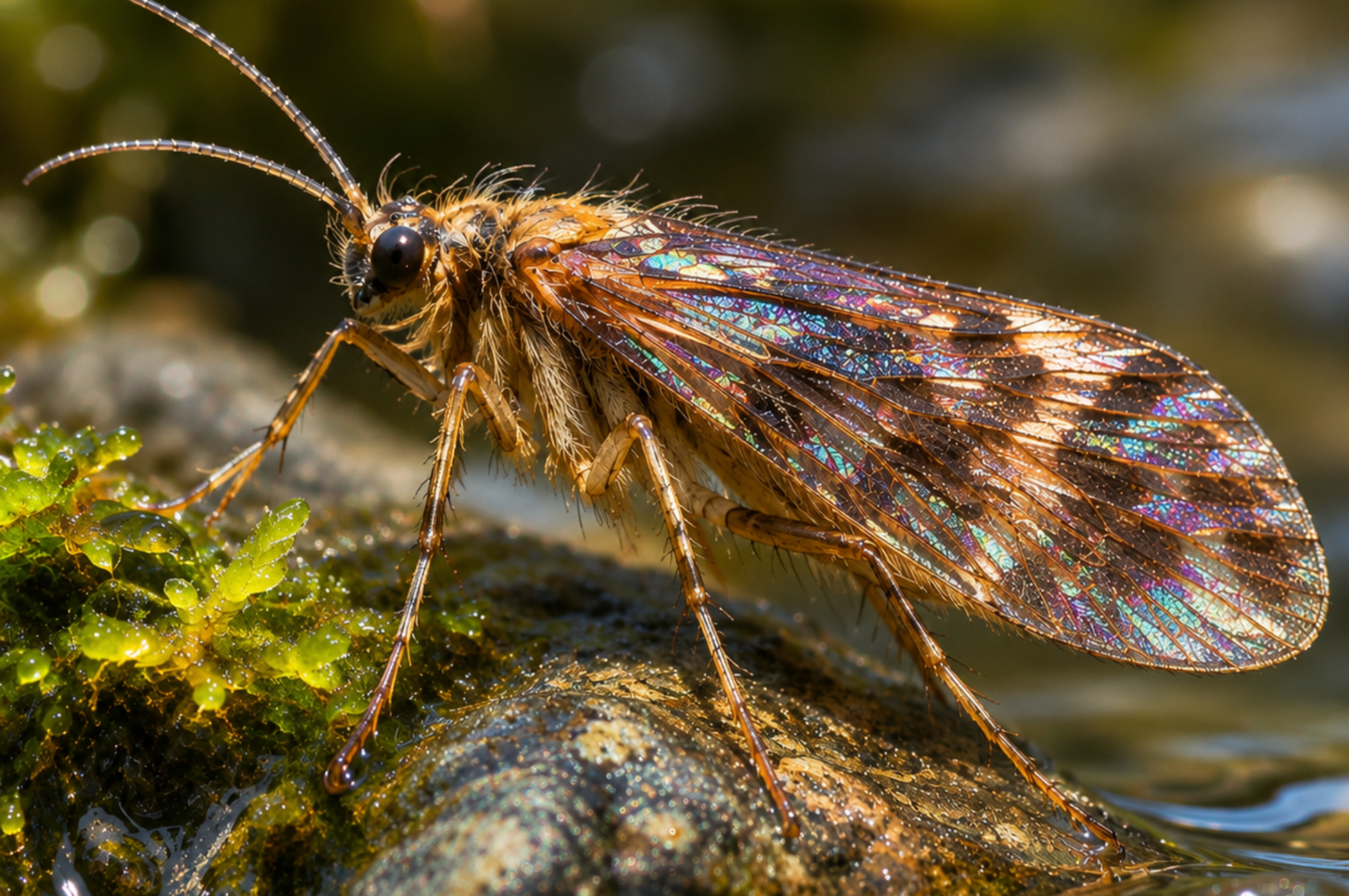
The Strickland River is a major tributary of Papua New Guinea's Fly River system, an extensive network of rivers and floodplain habitats. Understanding the biodiversity of these waterways is important for identifying environmental change and supporting informed river management. The small insects living in rivers can reveal important information about the health of freshwater ecosystems. Aquatic macroinvertebrates, including the larvae of mayflies, stoneflies and caddisflies, respond to changes in environmental conditions, making them valuable indicators of river health.
Dr Michael Shackleton from La Trobe University's Centre for Freshwater Ecosystems brings extensive experience in freshwater ecology, taxonomy and DNA-based species identification. His earlier research has contributed to the development of the Aquatic Invertebrates of Australia DNA database, supporting more accurate identification of freshwater organisms. In work undertaken for Sydney Water, Shackleton and colleagues helped address gaps in this reference library by adding genetic information for 193 specimens across 47 genera.
This expertise is now being applied to biodiversity research in the Strickland River catchment. Following fieldwork in Papua New Guinea in 2026, Shackleton is assessing aquatic insect diversity, cataloguing specimens and developing taxonomic identification keys. The research also involves documenting potentially undescribed species, expanding scientific knowledge of the region's freshwater fauna.
The project is progressing towards illustrated identification resources and a booklet introducing the area's insect fauna to non-specialist audiences, making species identification more accessible and providing valuable reference information for future environmental monitoring. By improving knowledge of the organisms inhabiting these waterways, these tools will strengthen biodiversity assessment and support more informed environmental management. Shackleton is also exploring future collaborations in Papua New Guinea, with opportunities to expand the research through broader partnerships and community engagement.