
Restoring wetlands and protecting native fish
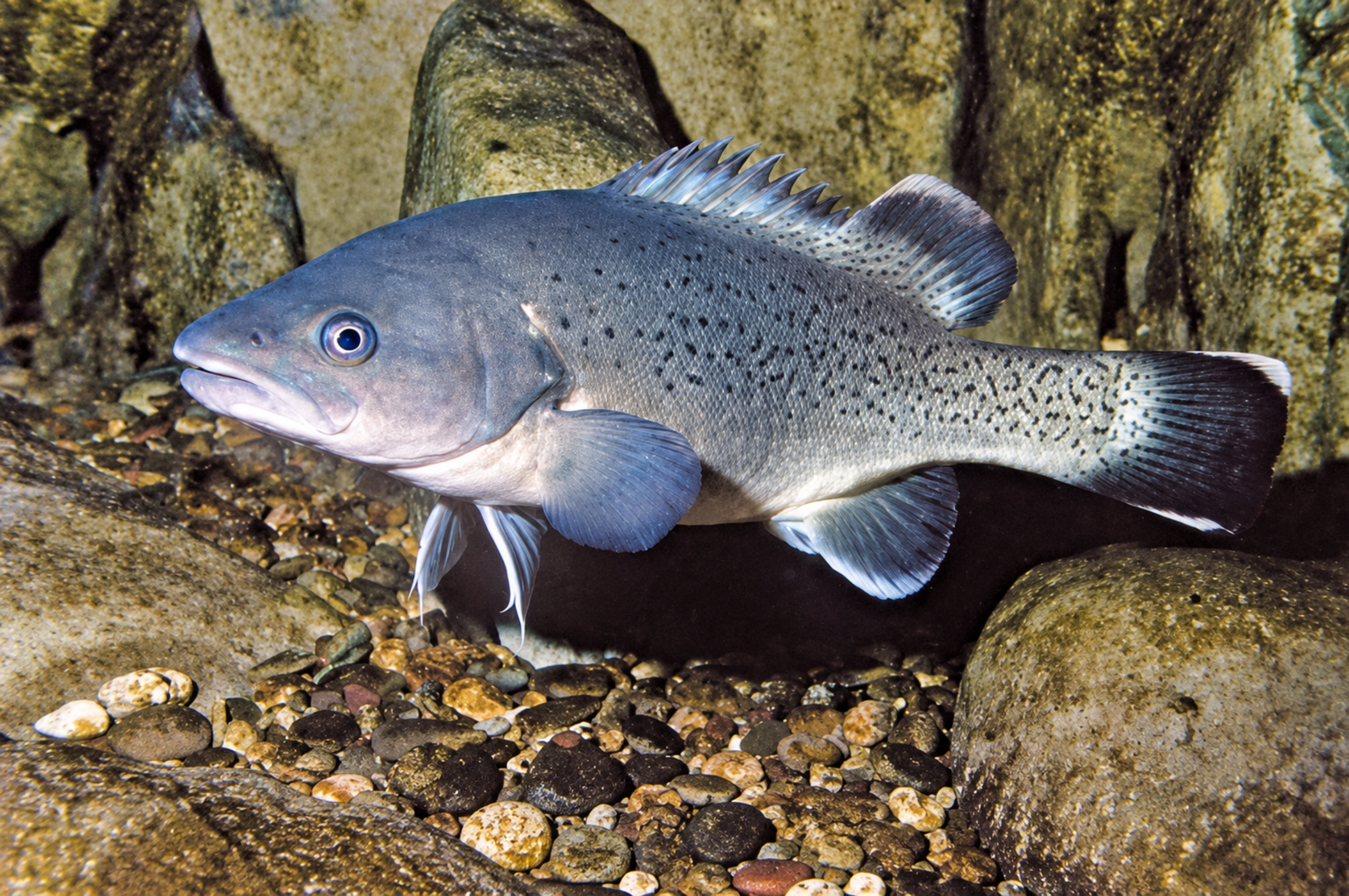
Research from La Trobe University's Centre for Freshwater Ecosystems is providing new evidence to guide the restoration of floodplain wetlands and protect threatened native fish across the Murray–Darling Basin.
Floodplain wetlands are a vital part of the Murray-Darling ecosystem. However, climate change and human activities have adversely affected their biodiversity and resilience. In particular, small-bodied native fish are declining as their habitats are impacted. Surveys led by a team from La Trobe University’s Centre for Freshwater Ecosystems for the National Environmental Science Program (NESP) Resilient Landscapes Hub have identified where these fish are persisting, the key threats affecting their populations and potential restoration approaches.
Protecting and restoring wetland habitats, including their inundation footprint, revegetation, protection from stock, invasive species management and habitat restoration are important for maintaining wetland habitats and their species. As the NESP report concludes, restocking alone is unable to restore native fish populations without addressing the underlying environmental factors which have caused them to decline. Another key finding was that that environmental DNA (e-DNA) was particularly effective as a sampling technique for detecting rarer species.
NESP has shared these findings with the North-East Catchment Management Authority (NECMA), the Department of Climate Change, Energy, Environment and Water (DCCEEW), Murray-Darling Basin Authority (MDBA) and all Victorian Catchment Management Authorities, supporting a statewide evidence-based approach to managing and restoring floodplain wetlands.
Read more about the research behind the impact:
Table 1: Comparing Fish Detection Methods in Floodplain Wetlands
