
History of the area
The area has a rich history, much of which is unseen. Once the university and current day Wildlife Sanctuary was established, our story changed to one of ecological recovery.
From the traditional owners to the early Europeans to Mont Park hospital era, the site has a story to tell.
Go for a self-guided walk and discover this unique space for yourself. We have recently embarked on an signage project to help interpret the history and biodiversity of the site; these will be added to overtime.
Do you have a story, photo or an anecdote to add to our history? Please email wildlife@latrobe.edu.au
If you want to learn more about Mont Park and the history of the local area, here are a couple of great resources:
- In The Beginning There Was Only The Land, by Len Kenna (available from our Retail Shop)
- Mont Park to Springthorpe - Springthorpe Heritage Project website
| 1500s | 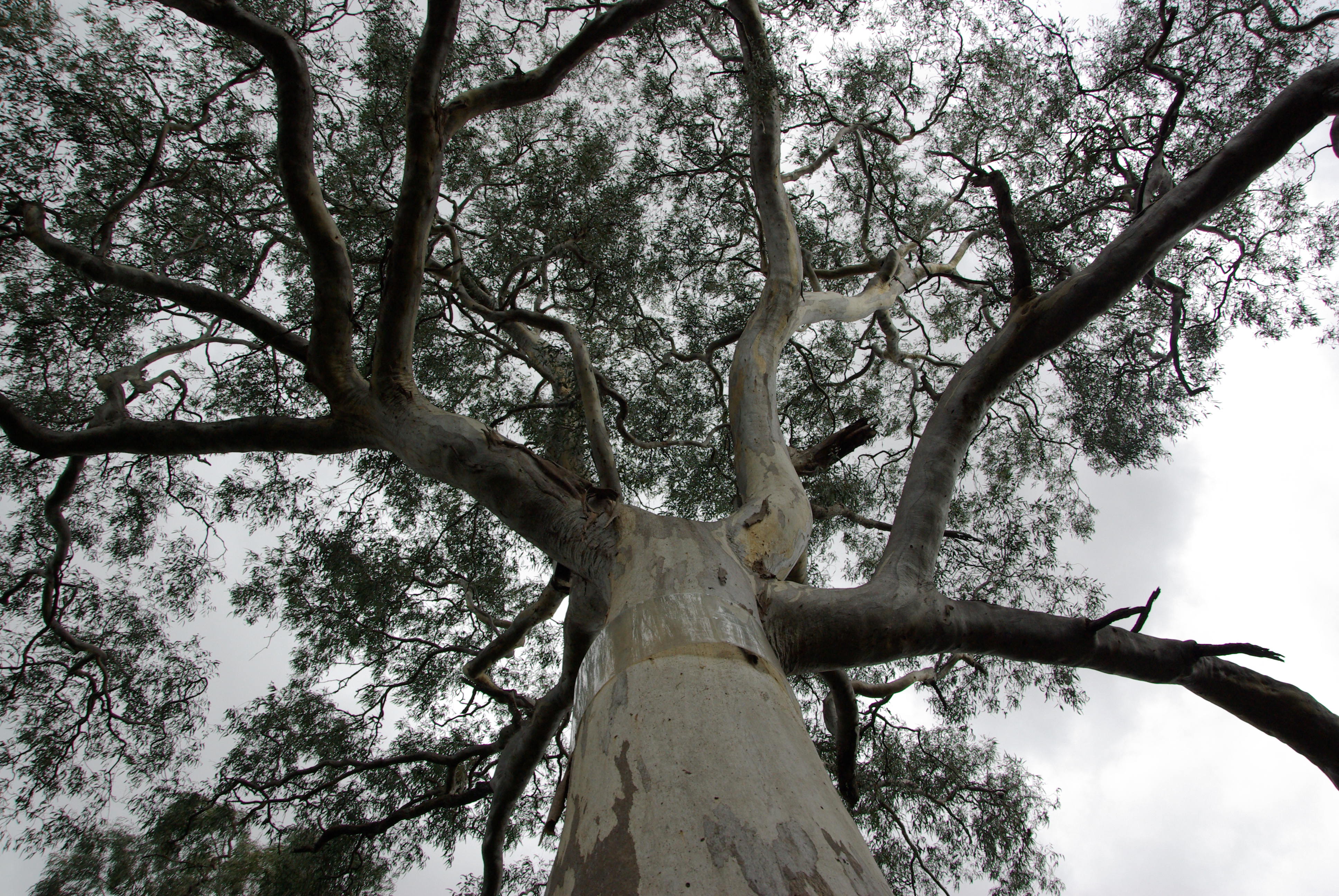 Some of the oldest and largest River Red Gums in the Sanctuary germinated. |
| Pre-1800s | The area that the now occupies was once inhabited by the Kurnaj-berring tribe of the Wurundjeri clan. No one knows how long the area has been used by humans, but it is probably at least several thousand years. Unfortunately, much of the Aboriginal history of the area was lost very early after the arrival of Europeans. |
| In this area, many large wetlands existed that were frequently utilised by the local Aborigines. Early Europeans in the area observed the rich nature of these wetlands, in particular the abundance of wetland birds, such as Brolgas and ducks. Even during prolonged droughts, wetlands provided a plentiful supply of edible plants, eels, freshwater mussels, fish, snakes and long-necked turtles. Evidence of the use by Aborigines of the area is observable in the scars on trees and fragments of stone tools. |
| 1835 | Europeans arrived in Bundoora area (formerly the Parish of Keelbundora) and noted its 'parkland' appearance - well-spaced trees with an understory of grasses, herbs, and forbs. |
| 1838 | The Bundoora area was divided into two sections of approximately 400 hectares and sold to land speculators and the wealthy, and within a few months was resold as much smaller farms of 100 to 300 acres. The farms were mostly used for sheep grazing and grain production. |
| 1910 | Inspector General for the Insane commenced the construction of farm cottages which was the start of an extensive area set aside for the treatment of psychiatric patients. |
| 1912 | Mont Park Psychiatric Hospital opens (then named Mont Park Hospital for the Insane). |
| 1914-18 | World War I |
| 1915 | Recreational activities seen as an important tool in the rehabilitation of returned servicemen. Construction begins on a cricket pitch. |
| 1918 | 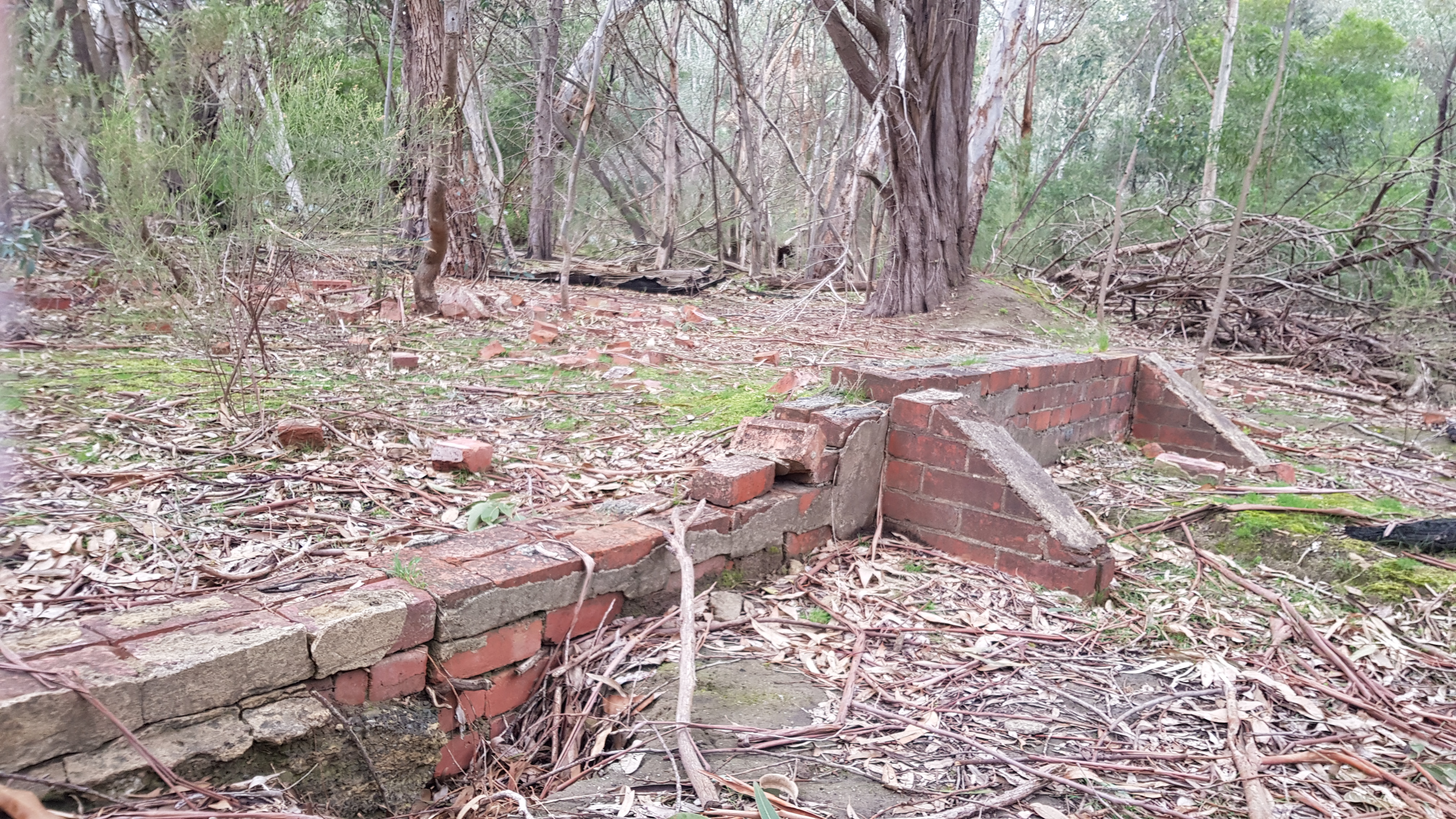 Tennis courts built with support of funds donated by the Lawn Tennis Association of Victoria. The tennis courts are still evident today by the remains of a red brick structure thought to be the change rooms which serviced the courts. |
| 1930s-40s | Mont Park Psychiatric Hosptial became a leading hospital for the treatment of mental illnesses. A large portion of the patients were returned servicemen being treated for a range of nervous or mental health disorders. |
| 1930s | 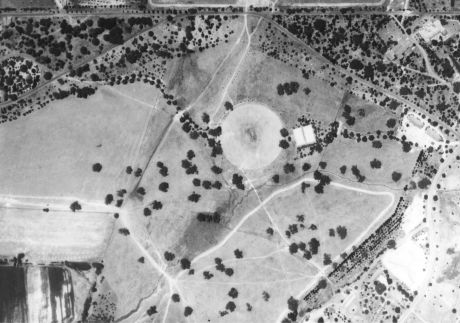 "Depression plantings" saw a vast number of exotic species being established. Those of heritage or habitat value remain. |
| 1932 | Soldiers/patients moved from Mont Park to the Bundoora Repatriation Hospital |
| 1934 | Mont Park Hospital for the Insane renamed Mont Park Mental Hospital |
| 1939-45 | World War II |
| 1927 | Croquet lawn established in the hospital grounds. This involved scraping away the top soil and replacing with granitic sand. Many decades later, this low nutrient soil suppressed invasive species and meant that this was one of the first places of natural regeneration of native grasses, moss beds and orchids. |
| 1950s-60s | 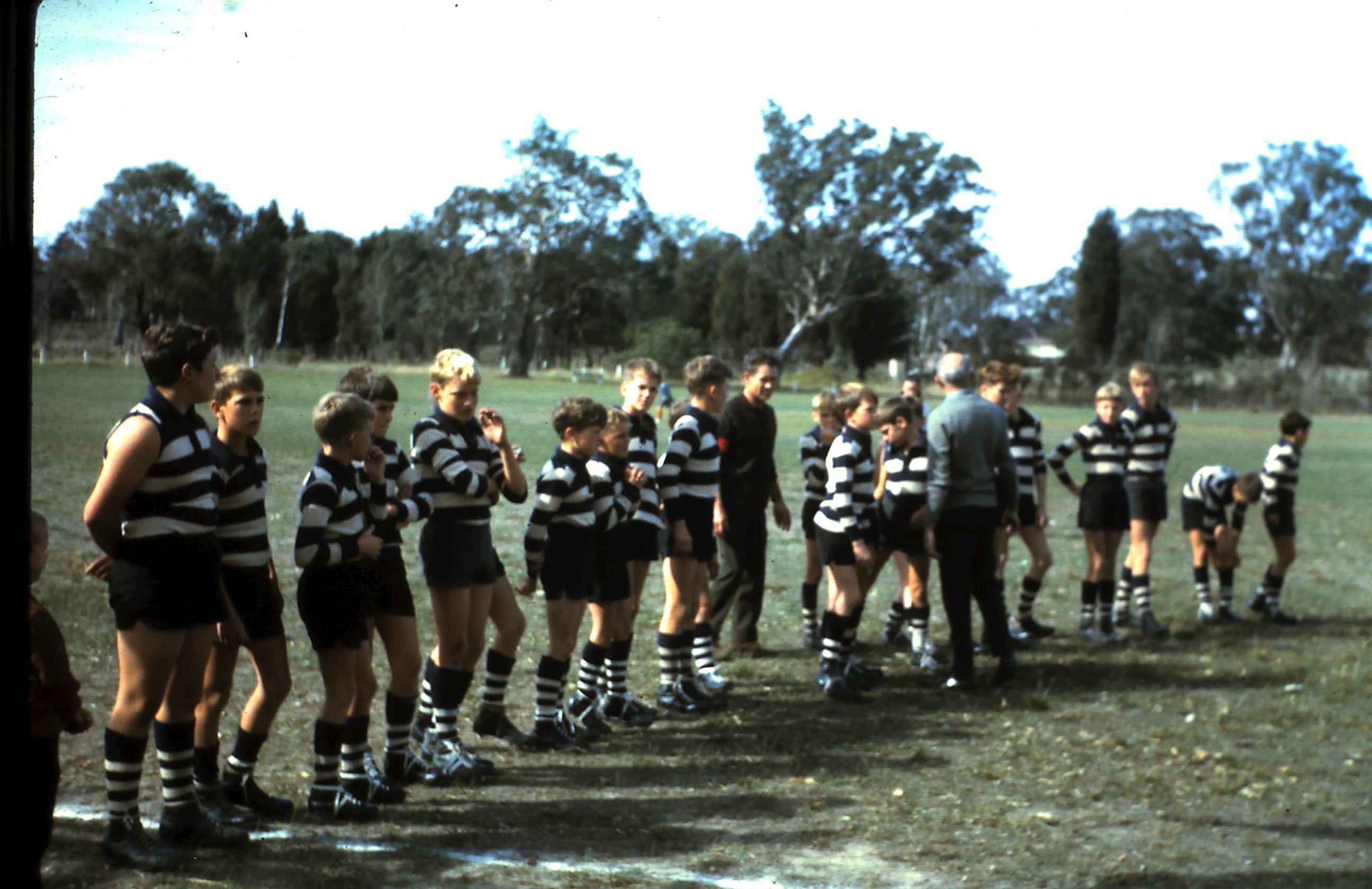 Cricket oval used for community cricket and football leagues. |
| 1951 | Larundel opened as a ward of Mont Park. Later became a separate hospital in 1953. |
| 1964 | Victorian parliament agreed to create a new university for Victoria. |
| 1965 | La Trobe University established as Victoria's third university. |
| 1967 | A meeting was held to discuss the future development on campus. From this meeting, the La Trobe University Conservation Society was born: a union of staff and students with a vision to create a haven for Australian wildlife. A small parcel of land (only 6.5 hectares) was set aside as a new conservation area, forming the La Trobe Wildlife Reserves. |
| 1967 | The first 552 students commence at La Trobe University |
| 1970s | 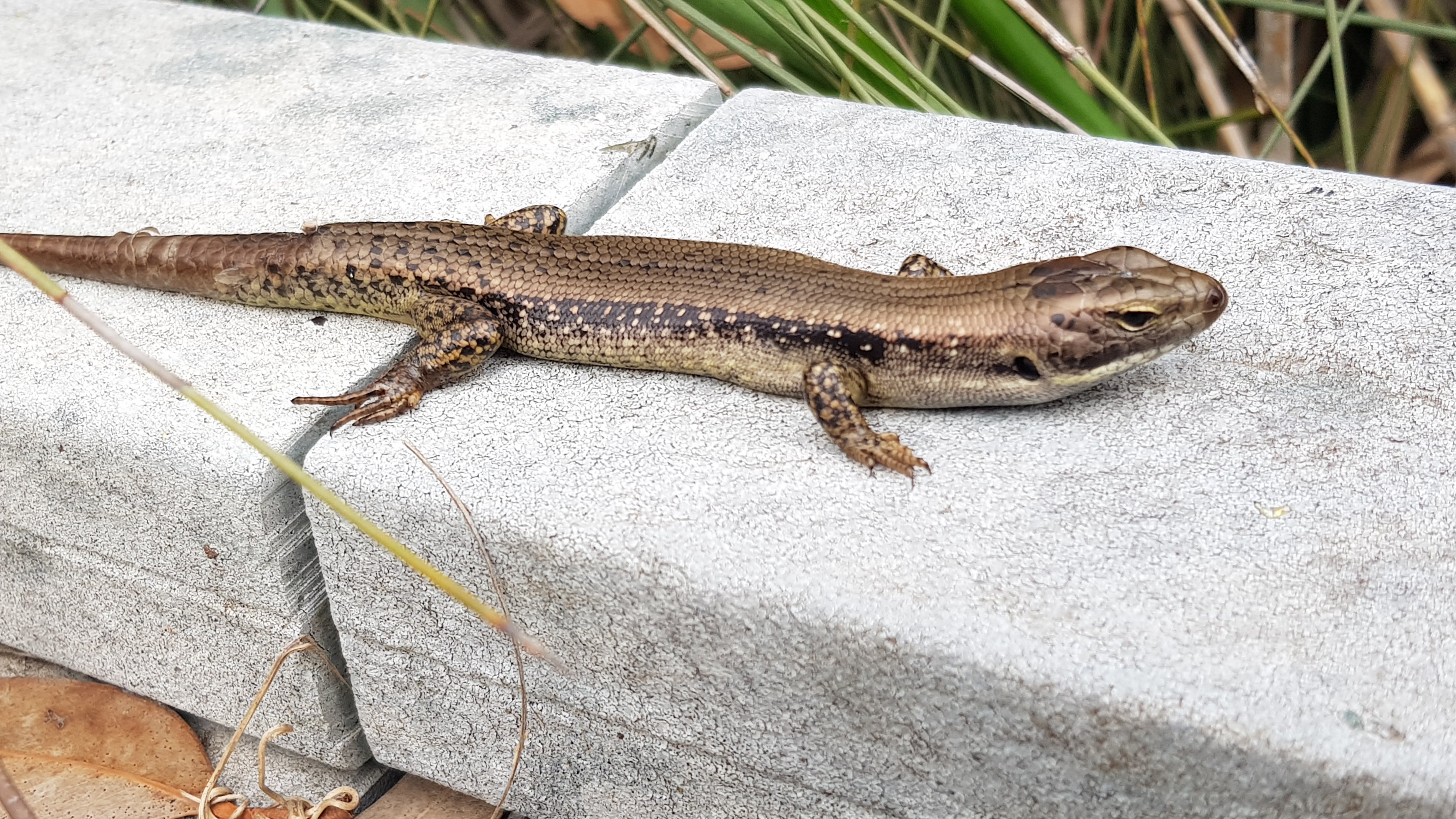 Eastern Water Skink introduced to ULA (Urban Land Authority) Gorge by Dr Peter Rawlinson. As of 2020, they had spread through out the Wildlife Sanctuary to Fozzies Wetland) |
| 1970s | Seed collection and onsite propagation of plants commenced to assist the habitat restoration efforts within the Sanctuary. |
| 1971-73 | 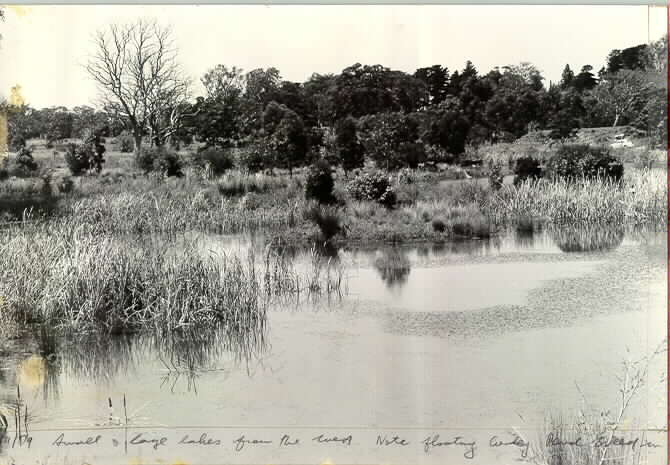 Farm machinery happening at the university; a 'demonstration' of some diggers created the Small and Main Lakes. Main Lake is now a great place to listen for frogs or for bird spotting. |
| 1974 | First lizard lounge installed in the western extension |
| 1977 | 'Billabong system' established and functions as settling ponds to remove sediments, pollutants and nutrients, thus regulating the quality and rate at which run-off enters the lakes. |
| 1978 | Gresswell Forest Nature Conservation Reserve comes under the management of the management of La Trobe University. |
| 1980 | 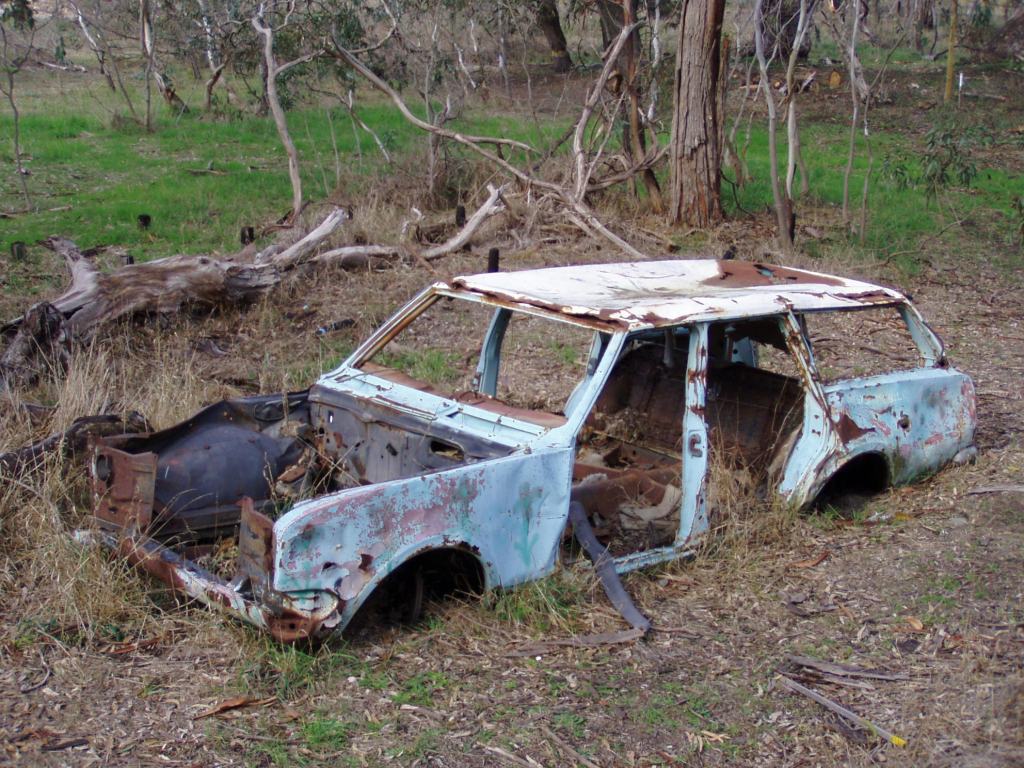 Joint operation with army recruits from Simpson Barracks to remove around 120 car bodies and parts from the Sanctuary and nearby Greswell Forest after it was used as a dumping ground by the local community. An example of these cars remains at the old cricket oval as a reminder of how far we have come. |
| 1981 | Galaxiella Billabong contructed. This is now essential habitat for the threatened Dwarf Galaxia (Galaxiella pusila) |
| 1987 | Twin Ponds constructed. |
| 1988 | Goat monorail established as an ingenious method as invasive weed control and track construction. |
| 1989 | Official establishment of indigenous plant nursery to provide plants for wholesale orders |
| 1990s | 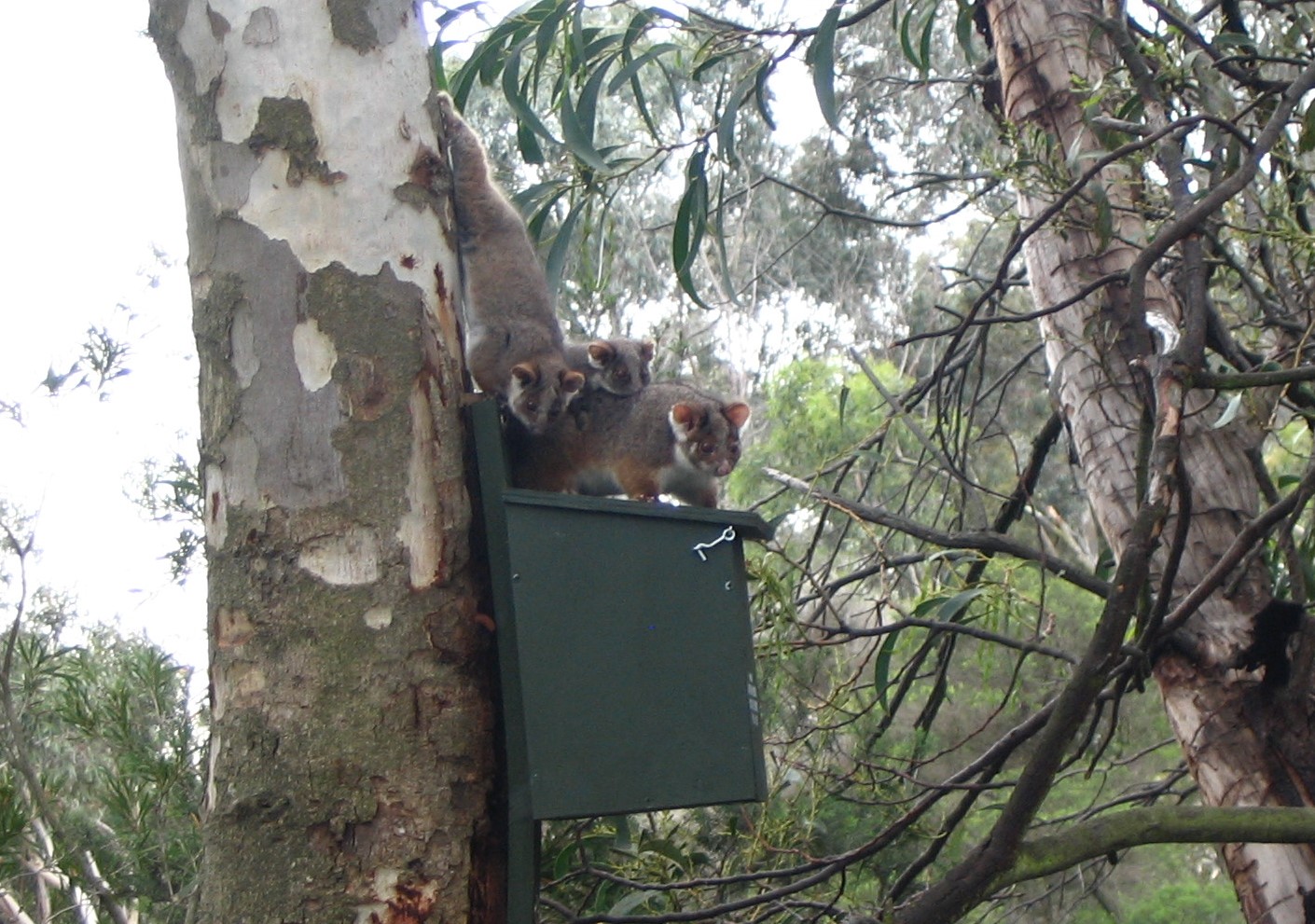 Nesting box design testing commenced. We now sell 14 different types of nesting boxes to individuals and land managers all over Australia. |
| 1996 | Ironbarks Hut built by volunteers. Ironbarks Hut is now a rustic event space which can be hired for small gatherings. |
| Early 2000s | Last goat on the monorail, Giselle, passes away. |
| 2009 | Melbourne Wildlife Sanctuary renamed . |
| 2012 | Trust for Nature covenant established to protect the native vegetation. |
| 2017 | La Trobe University and the Wildlife Sanctuary turn 50 years old. |
| 2017 | Predator proof fence completed |
| 2018 | Sampling discovered Galaxiella have spread throughout the Sanctuary to Fozzies Wetland. |
| 2019 | 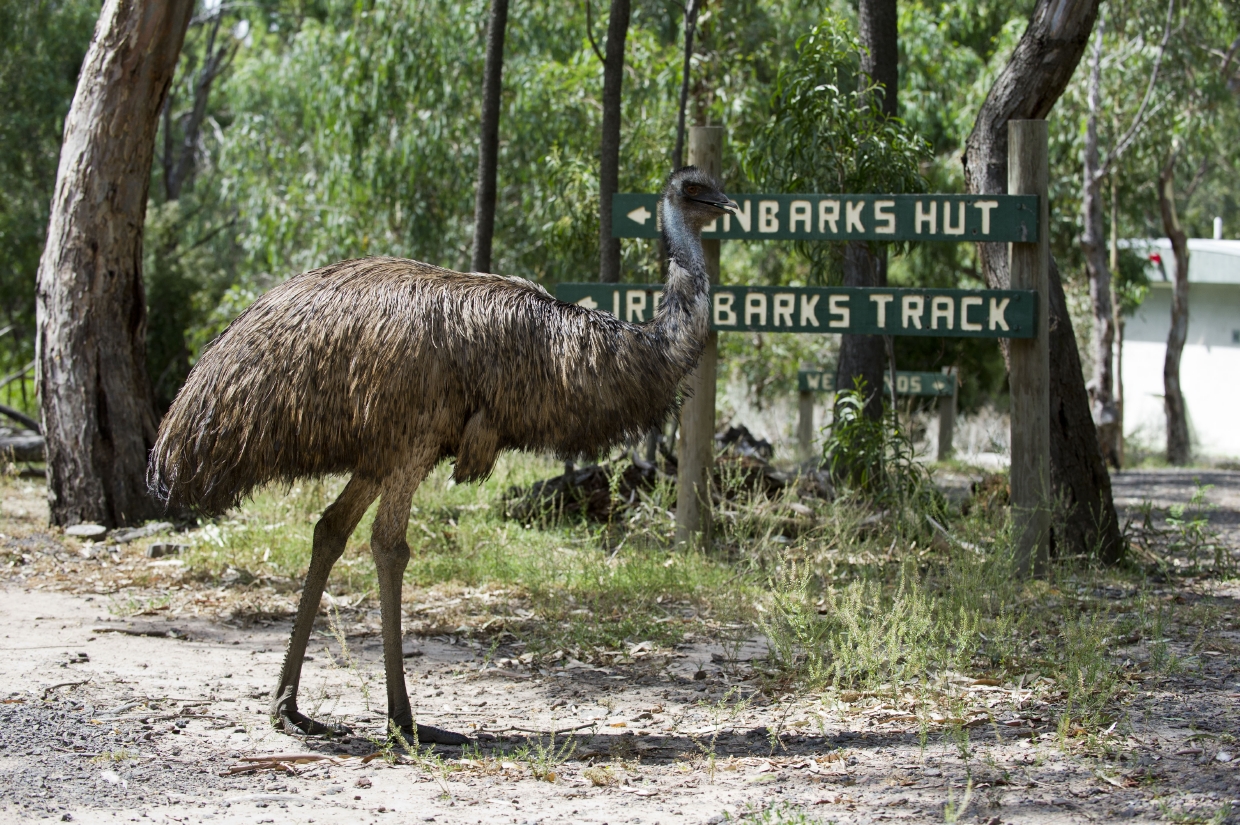 Last emu passes away with out pouring of grief by the community. |
| Future | Having completed our predator proof fence and established and maintained fox free status, we are planning towards re-introductions of several species which would have once occurred in the area. Watch this space as our plans evolve. |