
Future-proofing Australian grain production against climate-driven weed threats
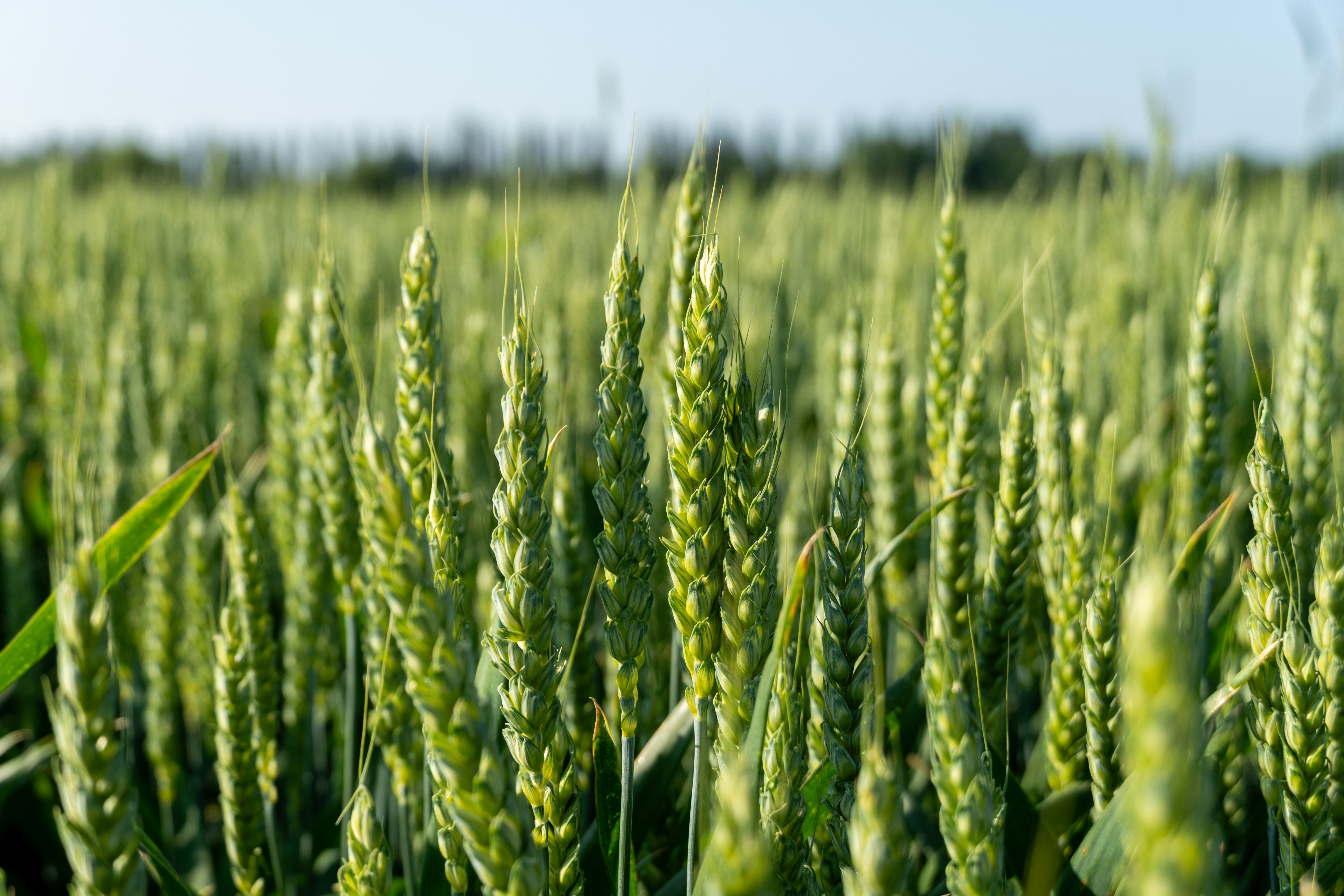
Weeds already cost Australian agriculture more than $4.8 billion annually, but an emerging challenge is that many of Australia’s most problematic weed species are rapidly adapting to climate change and evolving farming systems.
Grain growers have increasingly reported weeds emerging at unusual times, spreading into new regions, surviving harsher conditions, and becoming harder to control – which can then can then reduce crop yields.
Dr Ali Bajwa is a senior lecturer at the La Trobe Institute for Sustainable Agriculture & Food (LISAF). In 2024, he led and delivered a nationwide project that provided the first comprehensive assessment of climate-driven changes in weed ecology across Australian grain production systems.
The project, for Australia’s Grain Research and Development Corporation (GRDC) brought together scientific evidence, national stakeholder surveys, industry workshops, spatial mapping and predictive modelling to identify the weed species posing the greatest future risk to Australian grain growers. More than 150 growers, agronomists, researchers and industry representatives from across Australia contributed insights, ensuring the findings reflected real on-ground challenges faced across Australia’s major grain regions.
The research and consultation process identified six high-priority weed species: annual ryegrass, fleabane, brome grass, sowthistle, wild radish and feathertop Rhodes grass.
“We prioritised these six because they cost grain growers the most in terms of yield losses and management expenses. Unfortunately, these species have also topped the list for being most adaptable to changing climate and management practices in Australian grain production systems. In assessing these weed species, we found they are rapidly adapting through changes in emergence timing, seed dormancy, flowering behaviour and year-round growth patterns,” Dr Bajwa says.
“Annual ryegrass alone, costs grain growers more than $90 million each year, while it has developed resistance to several chemical herbicides and has adapted to a range of climatic and management changes.”
The study also revealed that nearly 80% of industry stakeholders had observed changing weed behaviour, while many reported declining effectiveness of existing weed control strategies.
The study for GRCD has the potential to directly shape future research and investment priorities for Australia’s grains industry by providing evidence-based recommendations for proactive weed management under climate change.
“This research has filled a gap, as there was limited national evidence explaining which weeds were changing, why these shifts were occurring, and what they meant for long-term farm productivity,” Dr Bajwa says.
Dr Bajwa hopes it will help growers, agronomists and industry bodies prepare for emerging weed threats before they become widespread, protecting crop productivity, reducing future management costs and strengthening the resilience of Australia’s grain production systems.
Published June 2026