
Exploring the Impact of Colonialism in Fiji through Fiction
Fiji is widely known for its natural beauty, but its colonial history and the long-term effects this continues to have on health and social life are less well recognised.
For more than ten years, Associate Professor Tarryn Phillips from La Trobe’s Department of Social Inquiry has worked with iTaukei and Indo Fijian communities to examine issues including diabetes, nutrition and inequality. Her husband and research collaborator, political analyst Edward Narain, was born and raised in Fiji and is the grandchild of indentured labourers who were brought from south Asia to work on sugar plantations between 1879 and 1916.
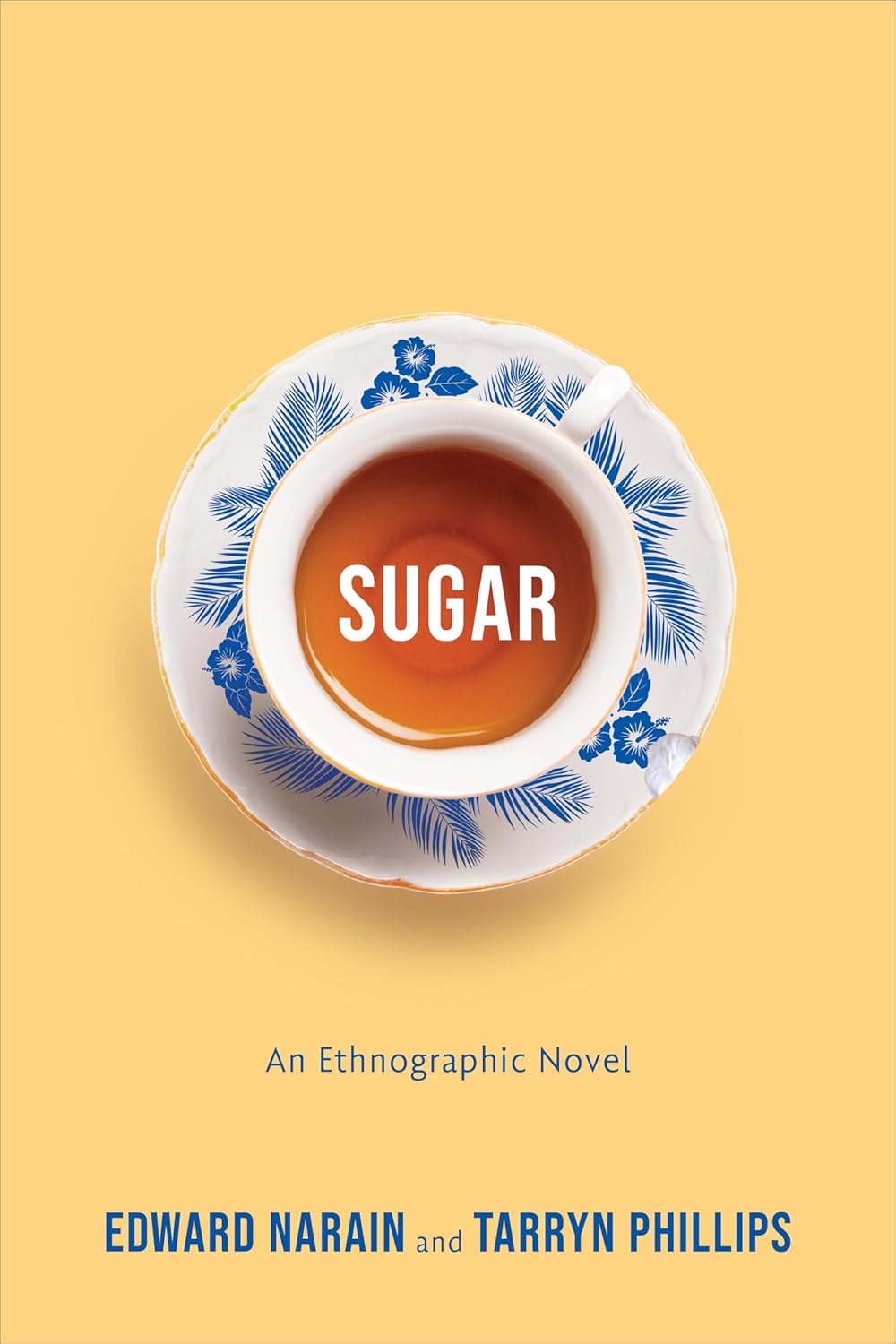
In 2024, Phillips and Narain used their ethnographic research and lived experience to write Sugar, a novel that weaves a murder mystery with the history of colonialism, indenture and its continuing influence on social and health inequalities in Fiji. Published by the University of Toronto Press, their book offers an accessible way for readers to engage with complex histories and the modern diabetes crisis shaped by the colonial sugar industry. The authors have discussed the cultural and historical themes that inform the book in interviews with ABC Pacific, SBS Hindi and RRR.
In 2026, Sugar received the Public Anthropologist Award, a global award recognising social and cultural anthropologists who produce “outstanding, innovative, and engaging research on pressing societal issues.” The award citation described the book as “an innovative contribution to contemporary anthropology” that demonstrates the public potential of experimental ethnographic writing.
Public response to the book has been strong. Sugar holds a 4.4-star rating on Goodreads, indicating sustained engagement and positive reception among general audiences. Readers have described the novel as “both fascinating and deeply moving” and praised its ability to combine narrative intrigue with insight into colonial history and public health.
Professional audiences have also engaged with the work through social media and public commentary. Public health scholar Jane Tiller described the book as “a genre blend I didn’t even know to look for,” while WHO Representative Angela Pratt noted that she was “adding to my reading list.” These responses illustrate the book’s reach across disciplines and professional sectors beyond academia.
Sugar was formally integrated into the Teaching Culture: UTP Ethnographies for the Classroom series in 2025 and adopted in university curricula to teach fictionalised ethnography and concepts such as necropolitics in post-colonial health systems. A major 2025 review in The Australian Journal of Anthropology described the novel as bringing history to life and helping readers understand the structures that underpin contemporary health challenges.
Phillips and Narain were invited to give the Ursula K. Le Guin Annual Keynote for Queens University, Belfast, where they presented Tinkering, a performance based on a deleted scene from the novel, at the Around the Fire symposium in November 2025. The piece follows a taxi driver navigating the difficulties of caring for a diabetic parent and offered viewers a vivid way to understand the legacy of colonial health infrastructure.
Beyond the university sector, Sugar has influenced professional training. The Fiji Law Society has designated the novel as compulsory reading for new volunteer lawyers, recognising its value in building contextual understanding of colonial history, inequality and social determinants of health in Fiji.
The project also influenced discussions about how Fiji is represented internationally. Phillips' related research on Selling Authentic Happiness was cited in 2025 debates about tourist campaigns that promote Fijians as rich in happiness despite economic hardship, highlighting how these narratives echo colonial tropes.
Through creative writing, performance and critical scholarship, the project has widened public understanding of Fiji’s colonial history and contributed to global conversations about inequality, health and representation.
Published June 2026