
Young Stroke Service
La Trobe University's Professor Dana Wong is helping address critical gaps in care for younger stroke survivors through the Young Stroke Service, a national collaboration providing accessible, evidence-based support. Since its implementation in 2023, the service has supported more than 600 young stroke survivors, with over 300 referred to La Trobe for tailored psychological therapy.
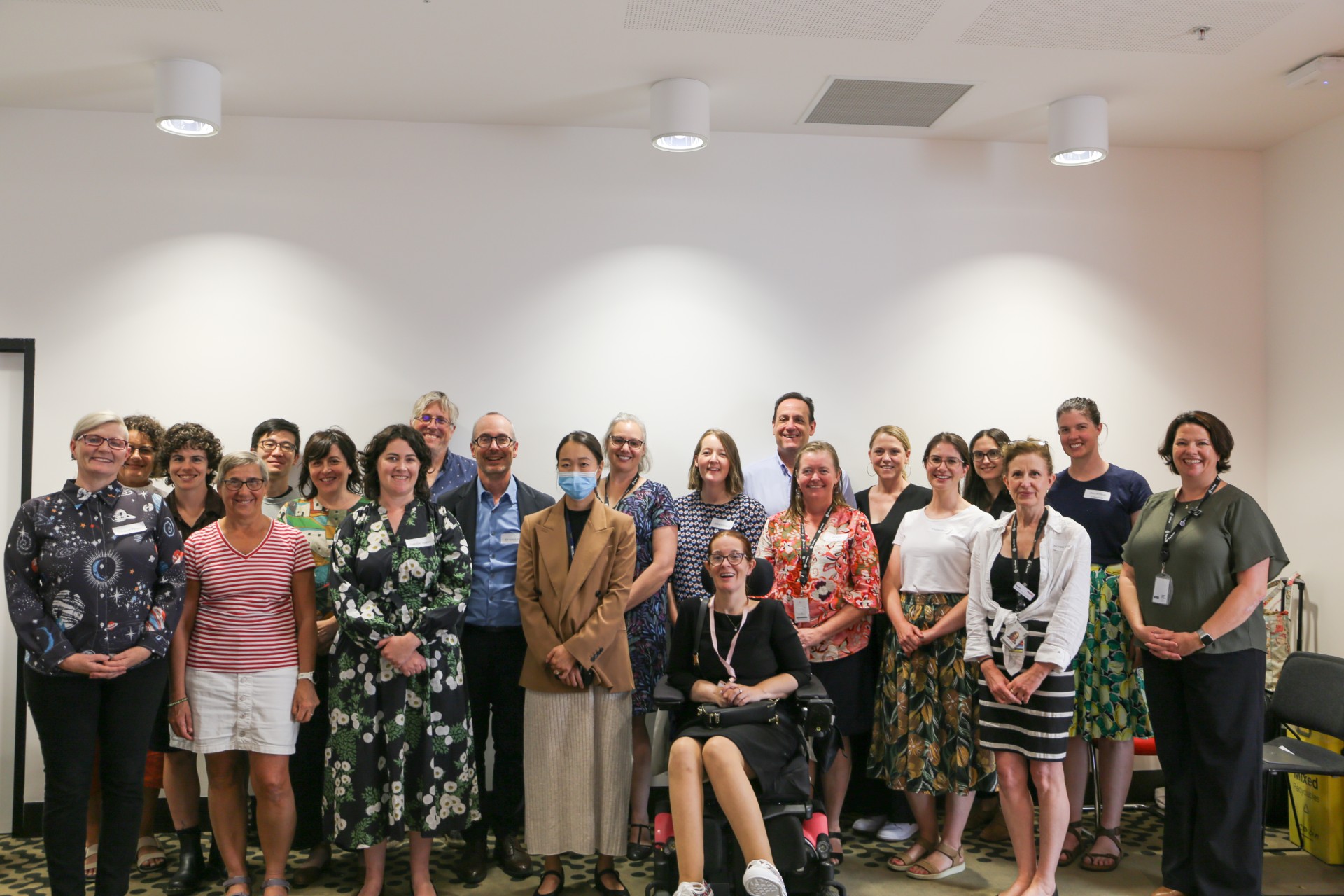
Lead Researcher: Professor Dana Wong
Younger Australians aged 18–55 make up a quarter of all strokes, and the incidence of stroke in this age group is increasing.
La Trobe's Professor Dana Wong is a Chief Investigator on the Young Stroke Service project, funded by a $10 million Medical Research Future Fund (MRFF) Rapid Applied Research Translation grant. Led by the Florey Institute in conjunction with universities and health services across Australia, the project is implementing accessible, evidence-based support tailored to individual needs.
The Young Stroke Service team includes researchers, clinicians and people with lived experience of stroke, working together to create a high-quality and innovative model of care to address critical gaps in services available to young stroke survivors with “invisible” disabilities. Professor Wong leads the Neuropsychology Intervention Service at La Trobe, which provides cognitive and psychological interventions to young stroke survivors who need support with these challenges.
Since implementation in 2023, the Young Stroke Service has provided care for over 600 young stroke survivors. More than 300 have been referred for tailored psychological therapy at La Trobe, making it the most frequently accessed of the available services and reflecting the significant need for mental health support. Clients have shown improvements in mood and wellbeing, supporting their recovery and return to work, with the potential to reduce longer-term healthcare costs. Together with partners including the Stroke Foundation, Young Stroke Service team members and lived experience contributors have been advocating for the service to continue beyond the grant funding period, so that young stroke survivors are not left without the tailored support they need.