
Genetic Solutions to Minimise Methane Emissions
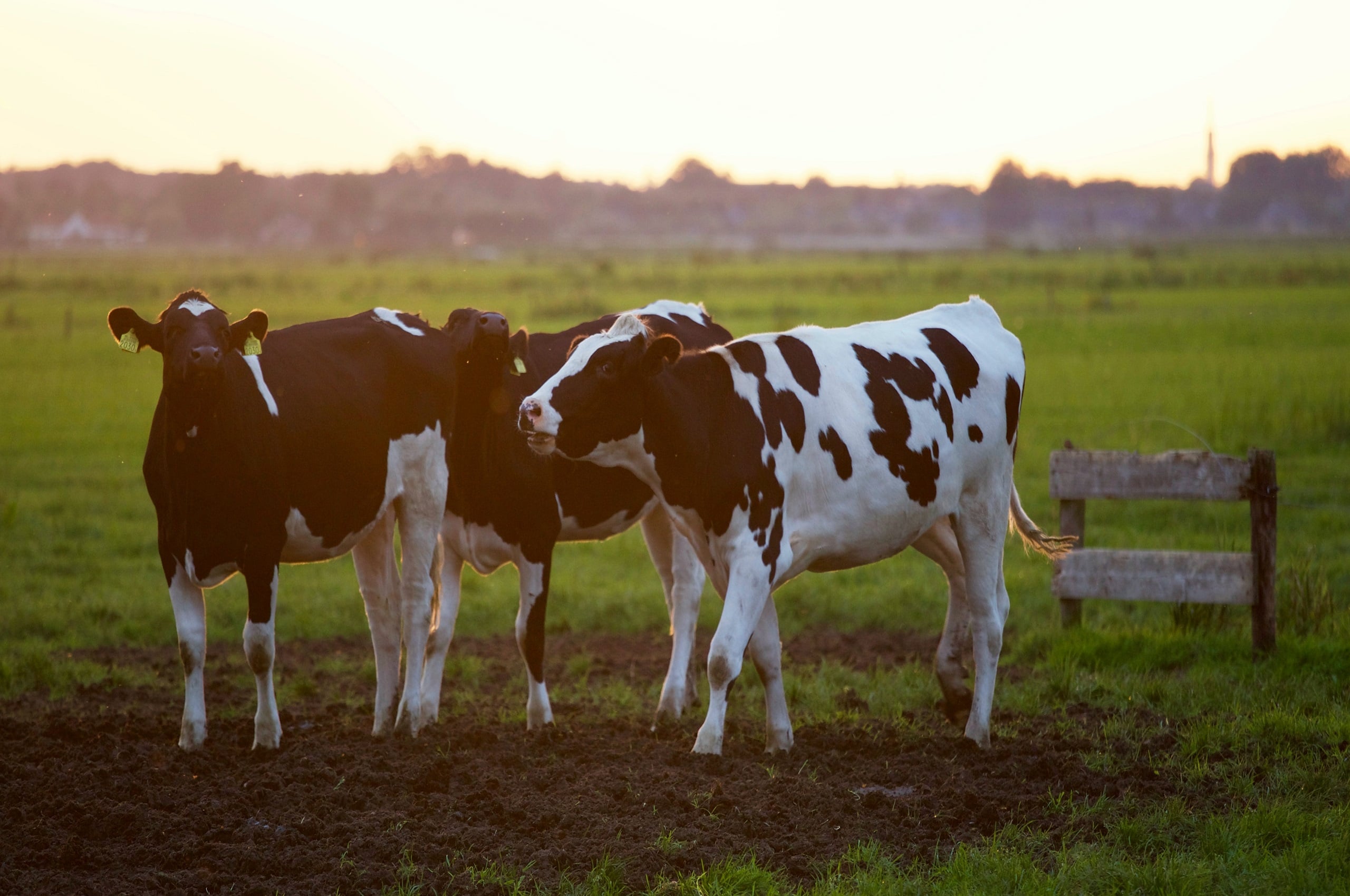
The largest source of greenhouse gases on a dairy farm is enteric methane emissions (EME) - methane produced during fermentation of feed in ruminants – which accounts for approximately 70 per cent of total farm emissions.
La Trobe researchers Prof. Jennie Pryce and Dr Caeli Richardson, in partnership with DataGene, Agriculture Victoria, Dairy Australia, and the Gardiner Dairy Foundation, have developed and implemented a Sustainability Index (SI) in the Australian national breeding program, including predictors of methane, which allows farmers to make conscious breeding decisions to reduce the environmental impact of dairy cattle and the amount of carbon used to produce every kg of milk solids, whilst balancing genetic progress in other valuable traits such as production, health, and fertility.
The SI is now one of Australia’s three key breeding indices, based on rigorous scientific analysis and industry priorities, which are available to farmers through the Good Bulls guide and app. Projections show that using SI could reduce methane intensity by 5-10% by 2050.
Building on this leadership, Prof. Pryce is now working with national and international partners to deliver the next generation of methane reduction tools for the dairy industry. Through partnerships with the Global Methane Hub, CRC for Net Zero Emissions (CRC‑ZNE), Agriculture Victoria, Dairy Australia, and the Gardiner Dairy Foundation, this work is focused on developing robust estimated breeding values (EBVs) for methane emissions.
These EBVs will enable methane reduction to be more directly and transparently embedded into breeding decisions, accelerating genetic progress towards low‑emissions dairy cattle while maintaining productivity, profitability, and animal welfare. In November 2025, Prof. Pryce headlined the 2025 Dairy Research Foundation Symposium to present these next generation genetic tools.