
Research in the Department of Physiotherapy, Podiatry, Prosthetics and Orthotics
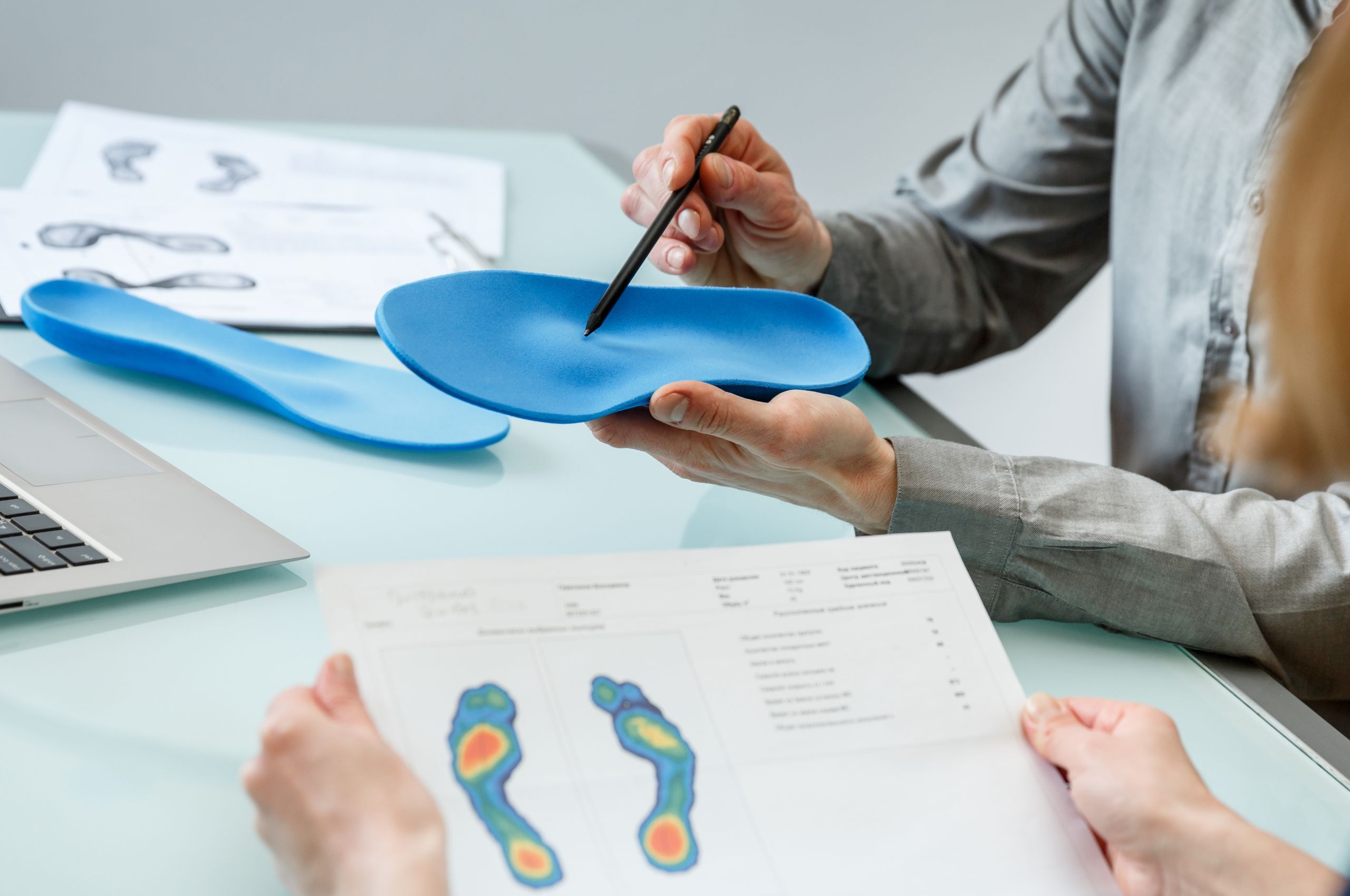
The Department of Physiotherapy, Podiatry, Prosthetics and Orthotics undertakes research that promotes health and wellbeing in our communities and across the lifespan.
Our academics are internationally recognised for research that optimises physical activity, rehabilitation, healthcare delivery and quality of life for people living with a range of conditions.
Our research benefits a broad range of people including those with neurological conditions, disability, amputation, musculoskeletal or sporting injuries.
Research areas
Our researchers undertake applied research to design and evaluate clinical interventions and improve health outcomes. Our work enhances patient care and community health by translating evidence into practice and informing education and professional standards.
Our research is grouped into three discipline areas:
Our researchers are working to improve the health and wellbeing of people with diverse needs including those with musculoskeletal conditions, sports injuries and neurological conditions. We develop innovative management strategies to deliver better health, and healthcare, to the community.
Many of our academics collaborate with the La Trobe Sport and Exercise Medicine Research Centre, where their research seeks to optimise an individual’s chosen level of performance and participation in sport, exercise, physical activity, work, family and social life.
Our staff are also leaders in research that improves physical activity in children with disabilities, older adults and those living with cancer. And, they are recognised for research that enhances movement, and health and wellbeing, for people living with Parkinson’s disease.
Find out more about our discipline. Read our Research Capability Statement.
Our researchers are working to improve the health and wellbeing of people affected by a diverse range of foot and ankle disorders.
They work collaboratively to advance our understanding of the diagnosis, assessment and management of conditions such as osteoarthritis, diabetes, heel pain and sports injuries. Other areas of interest include falls prevention, footwear, the social determinants of health, safe use of scheduled medicines and patient education.
Our researchers are also engaged in studies that seek to advance podiatry and allied health education in Australia that will inform innovative and contemporary curriculum design and delivery.
They are world leaders in their respective fields and contribute to local and international professional networks that develop evidence-based guidelines and research, that is shared at conferences around the world.
Find out more about our discipline. Read our Research Capability Statement.
Our researchers work to improve mobility, independence, participation and quality of life for people who use prostheses and orthoses.
Our research is consumer-centred, clinically relevant and designed to translate evidence into practice. Working with consumers, clinicians, professional bodies and service providers, we generate evidence to strengthen clinical decision-making, improve service delivery and support access to safe, effective and person-centred care.
Our research spans consumer experience, workforce development, clinical education, outcome measurement, and the prescription, design and evaluation of prosthetic and orthotic interventions.
Our academics contribute to national and international developments in prosthetics and orthotics education, professional standards and workforce capability.
Through collaboration with the Australian Orthotic Prosthetic Association and other partners, our research has informed policy, strengthened professional practice and supported better experiences for consumers across Australia.
Find out more about our discipline. Read our Research Capability Statement.
Graduate research
The Department of Physiotherapy, Podiatry, Prosthetics and Orthotics is educating the next generation of leaders in health, providing high-quality training for graduate researchers. The Department offers opportunities for Masters, Professional Doctorate and PhD candidates to undertake impactful research projects under expert supervision.
Graduate researchers engage in industry-connected research, including partnerships with government, private and not-for-profit health organisations through industry-sponsored PhDs. Graduate researchers are supported with dedicated workspaces, progress committees and a tailored milestone program. They are supervised by leading researchers and mentored to publish in high-quality journals.
The Department fosters a vibrant research culture, with graduate researchers participating in research seminars, the annual 3 Minute Thesis (3MT) competition, and the Higher Degree by Research conference. Many of our graduate researchers also contribute to teaching within the School, supporting the development of academic and professional skills.
Graduates pursue careers across academia, healthcare, industry and policy, contributing to improved health outcomes in Australia and internationally.
Learn more about graduate research opportunities at La Trobe University or connect with the Department’s Directors of Graduate Research, Dr Milly Bell (Discipline of Physiotherapy) and Associate Professor Daniel Bonanno (Disciplines of Podiatry, and Prosthetics and Orthotics).
Research centres
Our staff make key contributions to La Trobe University's research centres.
The Centre for Research Excellence in Aphasia Recovery and Rehabilitation is a National Health and Medical Research Council-funded centre that aims to transform the health and wellbeing of people with aphasia and their families. The Centre’s research program champions enhanced, cost-effective and sustainable interdisciplinary aphasia rehabilitation and community service.
The La Trobe Sport and Exercise Medicine Research Centre is a world-leading, collaborative centre for sport and exercise medicine research. The Centre’s research impacts on policy, clinical practice, activity participation, and health and wellbeing, in Australia and internationally. It translates research findings to key stakeholders including the international research community, health practitioners and the general public.
The Living with Disability Research Centre conducts research to help improve practices, programs and policies that support the social inclusion of people with cognitive disabilities. The Centre’s research program focuses on building a robust evidence base for the disability sector, and the broader community, to address the complex and multifaceted problems facing people with cognitive disability, their families and carers.
Embedded Allied Health Research Network
La Trobe University has six embedded Allied Health academics who hold dual appointments with the School of Allied Health, Human Services and Sport and a health service.
These health services and their embedded academics include:
Alfred Health (Victoria): Associate Professor Julia Gilmartin-Thomas
Eastern Health (Victoria): Professor Nicholas Taylor and Professor Katherine Harding
Northern Health (Victoria): Associate Professor Adam Semciw
Melbourne Health (Victoria): Associate Professor Casey Peiris
These academics promote, support and undertake research that is co-produced by their health service and La Trobe University academics and students.
If you are interested in exploring opportunities for co-producing research with the above health services and would like to collaborate with clinicians and researchers at these sites, please contact the above staff via email.