A new study from La Trobe University has shown 48 per cent of people have not prepared a will; 54 per cent don't know where to access palliative care; 58 per cent don't know about end-of-life paperwork; and almost 63 per cent don't know what to do when someone dies at home.
Researchers from La Trobe's Public Health Palliative Care Unit and the Death Literacy Institute surveyed more than 3000 people to create a comprehensive view of the nation's understanding of death.
The 2026 National Death Literacy and Readiness Report shows many Australians are already living with end-of-life experiences but most had not fully taken care of their own arrangements.
Of those surveyed, 53 per cent report keeping company of someone close to death; 42 per cent said they had witnessed someone's death; and 30 per cent had been appointed as an enduring guardian/decision maker for someone else.
However, only 23 per cent had written down their end-of-life wishes in an advance care directive and 11 per cent had documented how they would like their online assets to be managed after their death.
The researchers have developed a new online tool to help people prepare better for end of life.
The tool, known as READYConnect, gives people a short digital quiz to assess their death literacy. It provides personalised insights to help people start conversations with relatives and carers about dying, then links them to trusted sector resources.
"Death happens to everyone but it's surprising how few people are actually prepared. About two-thirds of Australians haven’t discussed their end-of-life wishes with their families," said Dr Kerrie Noonan, Acting Head of La Trobe’s Public Health Palliative Care Unit and Director of the Death Literacy Institute.
"Understanding your options is critical to planning for a better death. Knowledge empowers us to take meaningful action like finalising our will, appointing an enduring guardian or simply having a conversation about end of life with our family and friends."
READYConnect is the first national platform designed to measure, map and strengthen community readiness at end of life. It can be accessed independently but researchers envisage GPs, palliative care and aged care services referring patients and families to the platform to identify areas they need to address.
"There is an increasing urgency to understand death literacy when we look at the scale of the demographic change in Australia's near future," Senior Project Officer Holly Smith said.
"We are facing a lasting demographic shift, not a temporary surge in demand for end-of-life care. As Australia’s population ages, strengthening our capacity to care for one another must become a national priority. READYConnect can help activate communities to care for each other."
Chelsea Menchin, National Projects and Operations Director of Palliative Care Australia, said READYConnect had significant potential to strengthen Australia’s national approach to end-of-life care by building understanding of how prepared communities plan for ageing, dying, death and grief.
"READYConnect will help identify gaps in community knowledge and preparedness and inform how health and community services can better support individuals and families to plan for the end of life."
The READYConnect tool is based on 5000 surveys across eight years of research. The latest survey included 3119 Australians across all adult age groups and in every state and territory.
Death literacy is an international area of public health palliative care research, initiated in Australia and implemented globally.
How prepared for death are you? Take the quiz at www.readyconnect.org
DEATH LITERACY: THE FACTS
- 54% do not know how to access palliative care
- 58% do not know what documents are needed for planning for death
- 63% do not know what to do when someone dies at home
- 74% do not know enough about voluntary assisted dying to access it for themselves or to support someone else.
- 30% reported being appointed as an enduring guardian/decision maker for someone else
- 23% reported writing down their end of life wishes in an advance care directive
- 52% have completed a will
- 11% have documented how they would like their online assets to be managed after they die
THREE WAYS TO IMPROVE YOUR DEATH LITERACY
- Start with the READYConnect quiz. Discover what you already know and where to build your knowledge, skills and confidence
- Have a conversation with someone close to you. Talk to your best mate or a family member about what matters to you. Helping someone to make a plan is a great way to build death literacy
- Get involved in your community. Attend a local event, volunteer or support someone who is caring or grieving
Media enquiries
Debora McInnes – d.mcinnes@latrobe.edu.au, 0487 448 734
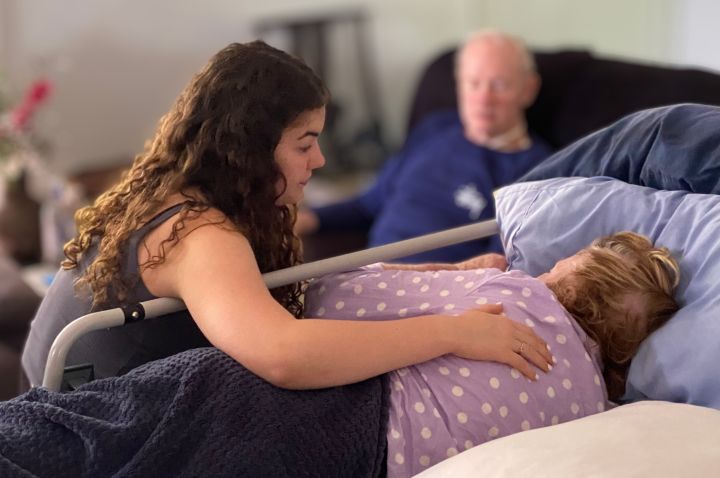
Photo caption: Dr Kerrie Noonan's daughter Kate, comforting her grandmother.