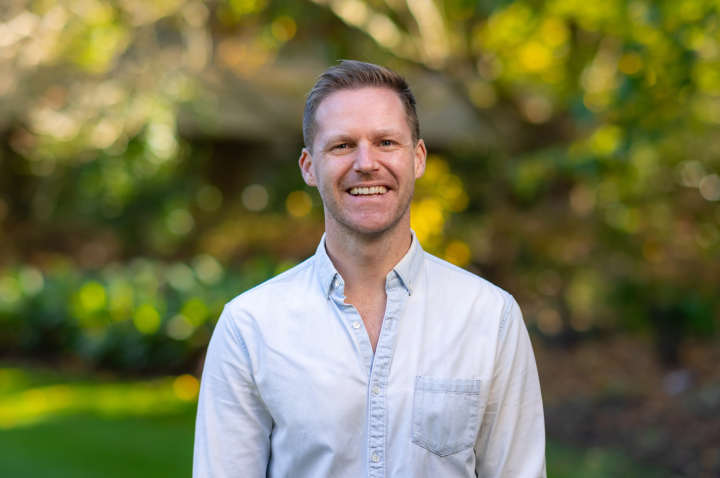
A new study led by Dr Aidan Craney from the Centre for Human Security and Social Change is helping to improve youth participation in policy and programming in the Pacific Islands.
“Children and youth constitute approximately two-thirds of the total population of the Pacific Islands region. This means that almost all social policy and programming decisions impact them,” Dr Craney says. “Despite this, young people are rarely included or even considered in decision-making processes by governments and development organisations.”
Drawing on over a decade of experience working with Pacific youth, the study describes five categories of youth participation.
These include ‘non-participation’, where young people are excluded from decision-making, and ‘tokenism’, where involvement is largely superficial. They also describe the role of ‘guidance’, which provides young people with clear opportunities to contribute, and ‘mentoring’, where long-term relationships help young people develop the skills and confidence to lead.
The researchers also identify ‘disruption’. Dr Craney explains this occurs “when young people create their own avenues for participation when excluded from established processes.”
Dr Craney hopes the research will help people and institutions working with youth embed appropriate forms and levels of participation into their work.
As part of the next stage of this research project, the Centre for Human Security and Social Change is partnering with the Pacific Community to develop the forthcoming Pacific Youth Development Framework 2027–2036.
“This will be the guiding document for governments and development organisations in the Pacific Islands region for strategic planning and implementation of initiatives regarding youth issues,” Dr Craney explains.