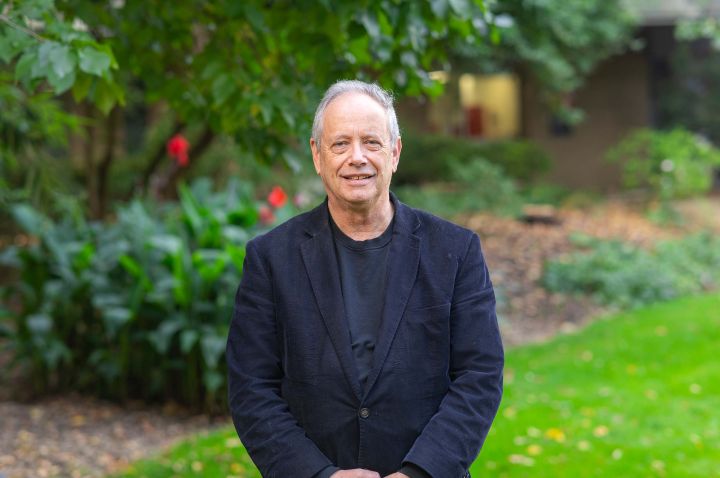
Phillip Edwards, Associate Professor in Archaeology, is investigating Wadi Hammeh 27, a settlement built in Jordan near the end of the last Ice Age.
“Wadi Hammeh 27 was home to the Natufian culture, a group of people who lived during a critical turning point in human history,” he says.
“Before this period, most people were highly mobile hunter-gatherers, moving around regularly in search of food. However, sediment analyses recently conducted indicate that Wadi Hammeh 27 was occupied continuously for around 500 years.”
“This shift from a mobile lifestyle to more permanent villages laid the groundwork for the urban systems that shape our world today,” Associate Professor Edwards explains.
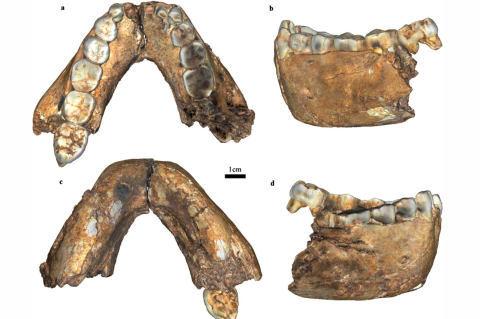
The site has also produced the largest reported collection of Natufian art, alongside an exceptional range of stone and bone tools.
In 2022, Associate Professor Edwards and his team made another significant discovery, uncovering foundational burials.
“These were likely significant people because their graves were marked by pit features and stone constructions,” he says.
“Interestingly, no one was buried at the site after this first group. Instead, the community appears to have adopted the unusual practice of scattering burnt cranial and other bone fragments within domestic areas.”
The next stage of Associate Professor Edwards’ project will focus on excavation of the burial site’s trove of ornaments and jewellery.
“This work will further our understanding of the Natufian transformation, a turning point in human history and one of the most important research programs in archaeology,” he says.