Final-year La Trobe University Occupational Therapy students are working with djimbaya, a First Nations kindergarten at Bendigo and District Aboriginal Co-operative (BDAC), to co-design resources that help educators understand and respond to children’s sensory needs and behaviours.
The project began with conversations with djimbaya educators about their priorities and where occupational therapy knowledge could complement their existing expertise.
Together, educators and students identified opportunities to strengthen understanding of different sensory needs and behaviours, including practical strategies to respond to and safely redirect sensory-seeking behaviours.
Students have worked alongside djimbaya and other stakeholders to develop practical, culturally safe resources that place the knowledge and experience of djimbaya educators at the centre.
Emily Gerber, Kindergarten Director at BDAC, said the collaborative approach was important to ensuring the project responded to the priorities of educators, children and community.
“Our educators are privileged to work alongside a culturally strong Aboriginal community, and it’s the strength of these partnerships that underpins the project.
“Collaborating with the students creates an opportunity to develop practical approaches that are relevant, respectful and responsive to our Community and support positive outcomes for children and families,” Emily said.
For La Trobe Rural Health School students, the collaboration provides an opportunity to apply their occupational therapy knowledge in a real-world environment while learning directly from an Aboriginal community-controlled organisation.
Final-year Occupational Therapy student Emily Chapman said working alongside educators had reinforced the importance of developing resources in partnership.
“We have been able to listen and learn from the staff at djimbaya about how to make the resources culturally appropriate and reflective of the values of the community.
“Seeing the final resources come together has been a highlight, especially knowing they are more relevant to the djimbaya community, as many of the resources currently available are based on Western frameworks.
“We hope the resources developed offer a strengths-based approach that supports ongoing participation in the kindergarten and home environment,” Emily said.
The resources will support educators to recognise sensory behaviours and use strategies that help children participate, engage and feel safe, while strengthening educators’ knowledge and confidence beyond the life of the student project.
For final-year Occupational Therapy student Jessica Ford, the experience also aligns with her aspirations to work with children and families.
“As an aspiring occupational therapist, I am eager to launch my career in paediatrics with a strong focus on early intervention. I believe timely support during early childhood lays the foundation for optimal growth and development.
“By partnering directly with children and their families, my objective is to help them navigate developmental challenges while building long-term independence, resilience and functional capability,” Jessica said.
Through these partnerships, students contribute their developing professional expertise while learning directly from communities, helping prepare future health professionals who understand the importance of collaboration, cultural safety and community-led practice.
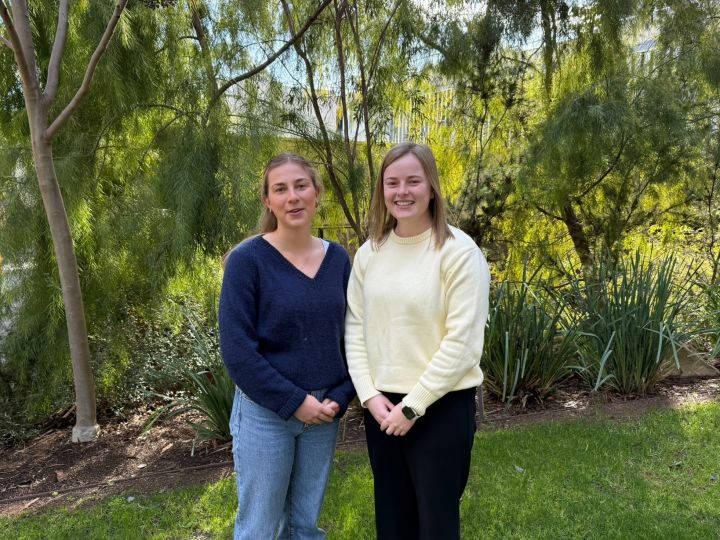
PHOTO: (L-R) Jessica Ford, Emily Chapman