“Dementia is rising globally, and Australia’s multicultural communities are among the most affected,” says Professor Brijnath. “Despite this, our research identified a critical gap in the availability of culturally appropriate, evidence-based programs.”
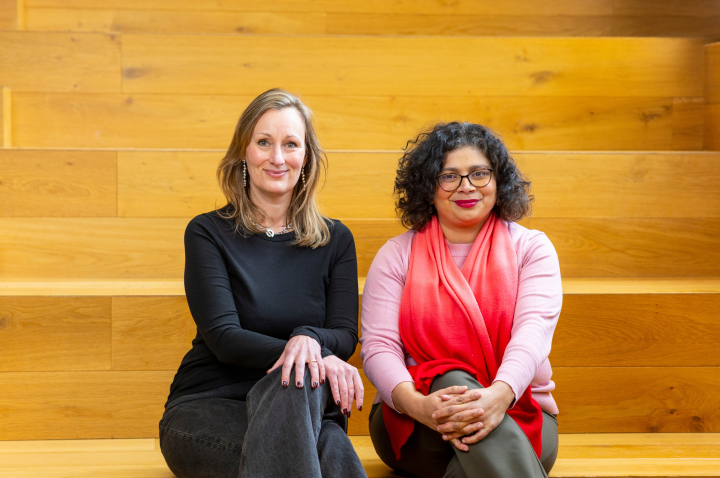
To address the gap, Professor Brijnath and Associate Professor Antoniades created MindCare Collective, a source of dementia information and resources that are easy to understand, culturally relevant, and available in multiple languages.
“Our MindCare Collective projects address dementia prevention through community education, digital delivery and culturally tailored approaches.”
Late last year, the team launched MindCare resources, which equip community sector workers to deliver culturally tailored, in-language workshops that support dementia risk reduction, and promote brain-healthy lifestyles from mid-life onwards.
“The feedback we have received so far from members of multicultural communities highlights the meaningful impact the resources have had on participants’ everyday health behaviours,” says Associate Professor Antoniades.
Two related projects are currently underway; the first project led by Professor Brijnath aims to develop bespoke online dementia prevention program which does not only provide educational content, but personalised support based on participants' dementia risk profiles.
“Co-designed with South Asian, Middle Eastern, Sub-Saharan African and Pacific Islander communities, the platform will share simple, culturally relevant tips to support brain health and can be accessed on phones, tablets or computers.”
The second program, MindCare4Women, is a unique dementia risk-reduction program designed specifically for multicultural women in Australia. Co-designed with and for women, it will be delivered through face-to-face workshops in six community languages – Swahili, Greek, Hindi, Punjabi, Vietnamese and Arabic – and developed as a self-paced online program to support broader access and reach.
“Women are often overlooked in research, and multicultural women even more so, despite being at very high risk of dementia in later life,” says lead investigator Associate Professor Antoniades. “MindCare4Women is one of the first dementia-prevention education programs specifically co-designed with and for multicultural women in Australia, if not globally, so it is a great privilege to be working with so many women to develop this program”