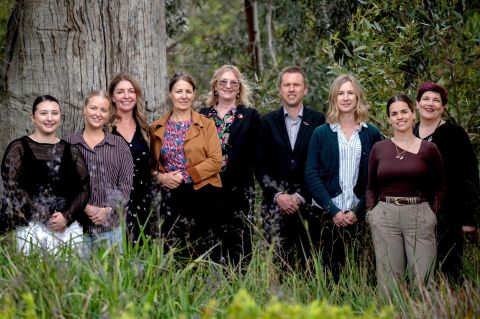
New research from Associate Professor Corina Modderman is helping improve healthcare access for rural children in kinship care.
“Children and young people in out-of-home care often have greater physical, developmental and mental health needs than other children, but accessing healthcare can be difficult, especially in rural communities,” she says.
Kinship care, where a child is cared for by a family member or someone with a close pre-existing relationship, is now the most common type of out-of-home care in Australia.
Yet kinship carers often receive less training, financial assistance and professional support than foster carers, while navigating complex health and child-protection systems.
“Our study found that the problem is much bigger than simply living a long way from a doctor,” she says. “Distance, cost, long waiting lists, workforce shortages and poorly connected health and child protection systems all combine to make accessing healthcare difficult.”
The research also highlighted the strengths of rural communities, including strong local relationships and collaboration between health, child protection and community services.
Associate Professor Modderman says the research shows that rural children in out-of-home care need healthcare systems designed around their specific needs.
“Better coordination between health and child-protection services, dedicated health-navigation roles and locally designed solutions could help children receive healthcare earlier and reduce the burden placed on carers.”
Her current work is focussed on two important and under-researched areas for children and young people in out-of-home care in rural and regional Australia, suicide risk and oral health.
“Our research will help build a clearer picture of health inequalities experienced by children in care outside metropolitan areas and identify practical, place-based ways to improve their health and wellbeing,” she says.