La Trobe’s new Bachelor of Artificial Intelligence Engineering (Honours), commencing Semester 1, 2027, will prepare students to apply AI to real-world engineering challenges.
Course Coordinator, Dr Matt Felicetti, says the degree responds to the growing need for engineers who understand more than AI models.
“AI is moving beyond research and software applications and becoming part of the physical world, from manufacturing and healthcare to robotics, infrastructure and automation,” he explains.
“This means that future graduates will need to know how to integrate AI into real engineering systems, work within industry constraints, make sound decisions and ensure technologies are used safely and effectively.”
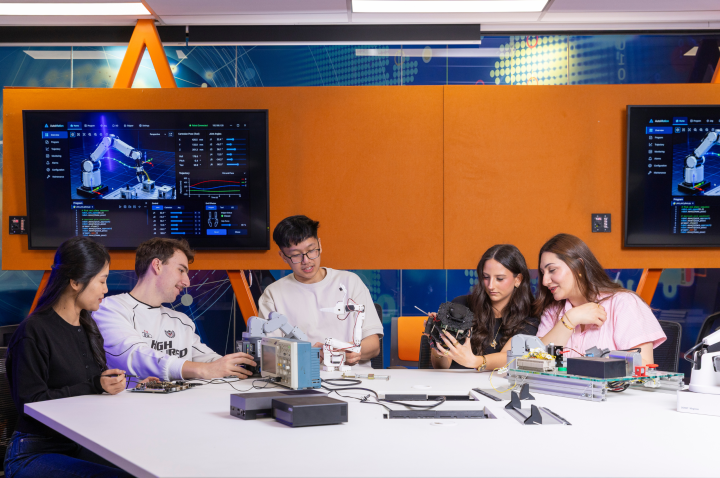
The degree combines engineering, AI and computing, with practical projects, industry-based learning and a final-year thesis.
Dr Felicetti says that what makes the course distinctive is its focus on AI within real physical systems.
“AI is not treated as a standalone discipline. Students learn how it connects with hardware, software, data and engineering design.”
“We have also worked with industry partners and organisations to ensure the curriculum reflects changing technology and workforce needs,” he adds.
The opportunities for Bachelor of AI Engineering (Honours) graduates will be broad, spanning areas such as advanced manufacturing, healthcare, robotics, automation and smart infrastructure.
“Graduates may apply their skills across advanced manufacturing, healthcare technologies, robotics, autonomous systems, automation, smart infrastructure, energy, transport and Internet of Things.”
“Potential applications include industrial robotics, predictive maintenance, digital twins, intelligent monitoring, medical technologies and embedded AI.”
“The degree is designed broadly so graduates can respond to new technologies and emerging roles, rather than being trained only for the jobs that exist today.”