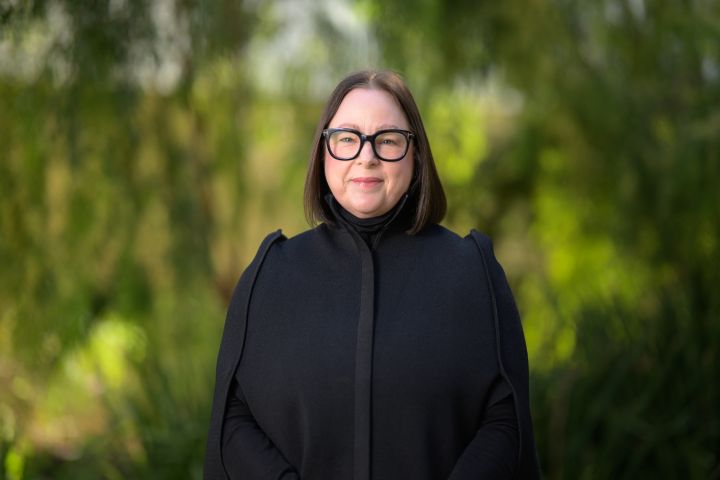
Associate Professor Smith is one of two Australians selected for the Fellowship, which recognises individuals with bold ideas to create lasting change in regional Australia.
The $50,000 Fellowship, awarded by the Country Education Foundation (CEF), will support the development of Rural Ready: Preparing the Next Generation of Rural Health Professionals for Disasters.
The project will expand an existing award-winning, game-based mass casualty simulation to include immersive rural disaster scenarios such as industrial incidents and severe weather events affecting rural hospitals.
Designed for students in paramedicine, nursing and allied health, the program will provide realistic but psychologically safe learning experiences that strengthen critical decision-making, communication, leadership, teamwork and disaster management skills before graduates enter the workforce.
"Rural health professionals are often at the frontline when disasters strike, and they may be required to make complex decisions with limited resources and support," Associate Professor Smith said.
"By giving students the opportunity to experience realistic disaster scenarios before they enter the workforce, we can help build their confidence, strengthen teamwork across health disciplines and better prepare them to support rural communities when they need it most."
With more than 25 years' experience across higher education, research, disaster health and rural workforce development, Associate Professor Smith's work has focused on improving health, wellbeing and resilience in rural and regional communities.
The Fellowship-funded project will be embedded within programs at the La Trobe Rural Health School, with potential for the resources to be adapted and shared across other rural health education settings nationally.
Dean of the La Trobe Rural Health School, Professor Jane Mills, congratulated Associate Professor Smith on the achievement. "Erin is an outstanding rural health leader whose work consistently focuses on improving outcomes for rural communities," Professor Mills said.