
Mental Health Essentials: Transitioning from Student to Practitioner
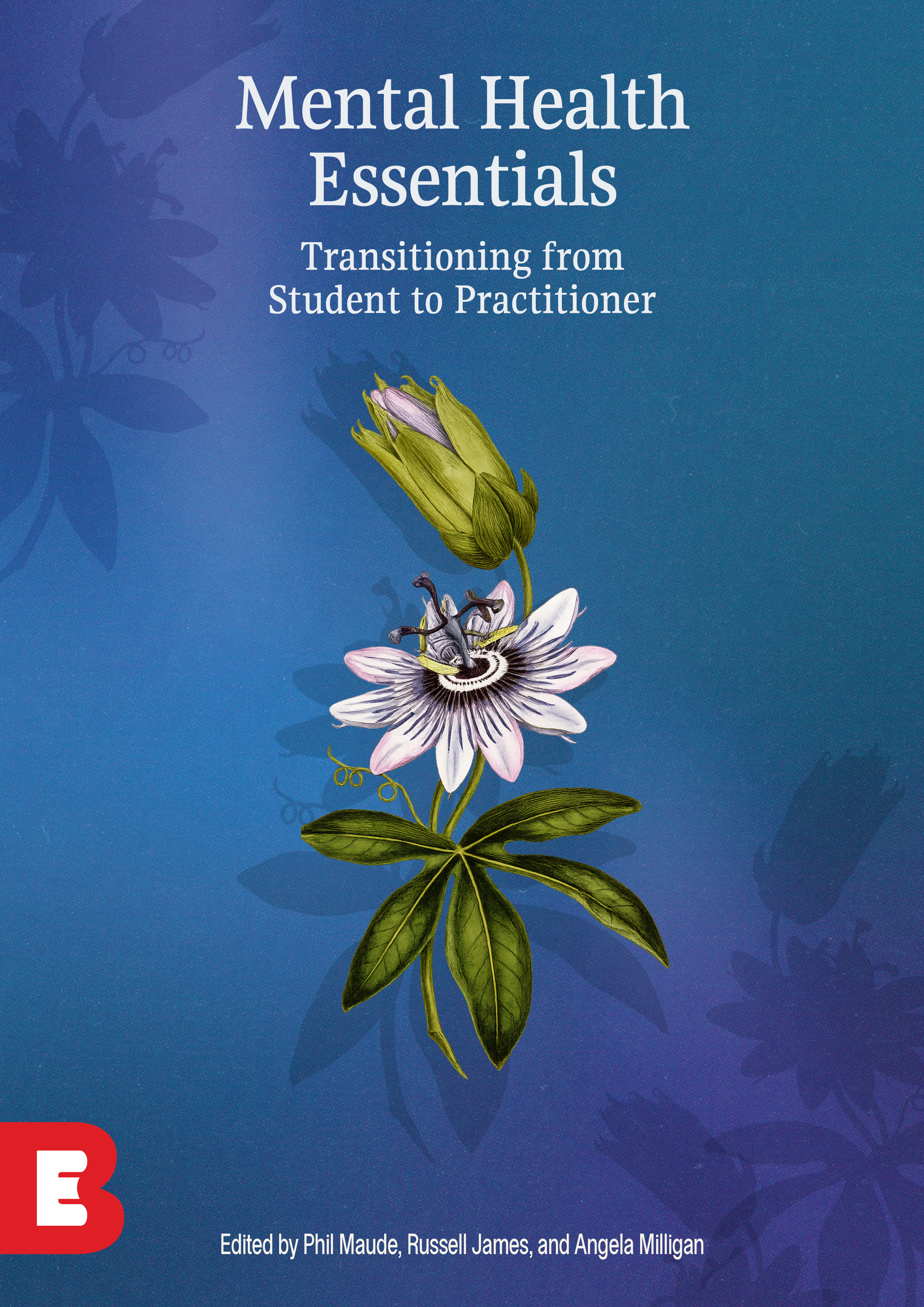
In development - Coming in late 2026 or early 2027
Mental Health Essentials is a collaborative initiative led by La Trobe University, bringing together contributors from numerous organisations across Australia and New Zealand to co-design an open access, living educational resource. This resource is designed for mental health theory subjects and clinical placement preparation, aiming to replace legacy commercial texts with a contemporary, inclusive alternative.
This open educational resource consolidates essential mental health concepts, current clinical practices, self-care strategies and culturally safe approaches into a single, accessible digital publication. It is grounded in experiential, student-centred learning and prioritises the translation of theoretical knowledge into practical skills for placement readiness. Interactive activities, case studies and reflective exercises are embedded throughout to foster deep learning and professional confidence.
Developed through co-design with academic experts, lived-experience contributors, First Nations cultural advisors, graduates and students, the resource centres on inclusivity and equity. It incorporates trauma-informed, recovery-oriented frameworks and highlights the voices of marginalised groups. The publication is structured in four main sections including: foundational concepts, clinical practice preparation, transition to graduate roles and advanced practice, which covers topics such as therapeutic communication, legal and ethical considerations, diagnosis, mental health disorders, placement success, professional roles and advanced interventions.
Designed for undergraduate and postgraduate students, as well as emerging practitioners, Mental Health Essentials supports effective and enriching clinical placements, ensuring learners are well-equipped to make a meaningful impact in their careers. The resource is freely accessible, mobile-friendly and aligned with sector reforms and government initiatives to promote equity and workforce readiness across Australia and New Zealand.
Section outlines
This resource includes the following sections. Select each to view the chapters it contains.
- Section One: Theoretical Necessities
- Section Two: Understanding Mental Health Experiences and Supporting Recovery
- Section Three: Preparing for Clinical Practice
- Section Four: Transitioning to Graduate Roles
- Section Five: Advanced Practice
If you would like to join this project, please fill out this form.
We welcome expressions of interest to join this community of practice, where you can contribute your expertise, peer review forthcoming chapters, develop chapters or shape the direction of this important La Trobe eBureau open textbook.
Using this book? Let us know
Stay up-to-date with this publication. Subscribe to updates
Details
Publication date: TBA
Publisher: La Trobe eBureau
ISBN: 978-0-6458388-9-3
DOI: https://doi.org/10.26826/1027
License: CC BY-NC