





Content Note: Please note the content below talks about topics which might be distressing for some people. Please consider this prior to reading, and reach out for support if you need to. Support information is included at the end of this article.
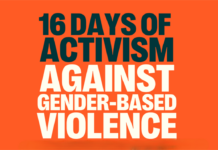
Wednesday 25 November is the International Day for the Elimination of Violence against Women, kicking off the 16 Days of Activism Against Gender-Based Violence. This campaign runs until December 10, which is International Human Rights Day.
Gender-based violence (GBV) is any violence, abuse or harm aimed at someone because of their gender, gender identity, or how others see their gender. It comes from unequal power and strict gender norms that cause disrespect and inequality. We know that many women and girls, especially those dealing with different types of discrimination at the same time, face more violence, unique kinds of abuse, and often big challenges when it comes to reporting it and getting help. Stopping GBV means creating respect, equality, and inclusion everywhere, including on our campuses and in our communities.
The global theme for the 16 Days in 2026 is “UNiTE to End Violence Against Women and Girls: Ensure justice, protect survivors, end impunity.” It’s about breaking down barriers to justice, holding offenders accountable, and tackling violence wherever it happens, both in real life and online.
Four actions you can take
- Get to the root of it: Check out books, watch documentaries or listen to podcasts about gender equality, consent, and what drives GBV. You can also complete the Respectful Behaviour and Culture Module on the LMS.
- Stay safe online: Know how to spot, block, and report things like digital harassment, online abuse, or non-consensual image sharing. Use tools and tips from the eSafety Commissioner.
- Spread the word: Share educational posts and messages from trusted groups on social media. Use the campaign colour orange or hashtags like #16Days and tap into local campaigns like Respect Victoria’s “Respect Is…”.
- Find out what’s happening in your local community:
This year Women’s Health in the North (WHIN), Omnia Community Health, and the Hume Rainbow Lorikeet Collective are inviting young adults (18-25) from the Northern metro region to design a postcard showing their vision for a safe, equal, and thriving North.
The top three winners will have their postcards shared all over the North and win prizes up to $500.
WHIN will also be hosting workshops to help young adults learn more about preventing gender-based violence and get ready to enter the contest.
If you have any questions, reach out to Emily at emily.s@whin.org.au.
People using violence need to be held responsible, no matter who they are, and justice needs to be available to all women and girls, no matter who they are.
Student Support at La Trobe
In an emergency call Triple Zero: 000 (0 000 on University phones) and if on campus also call Campus Security on 03 9479 2222 (x2222 from University phones).
- Connect with La Trobe’s Wellbeing Services, including Student Wellbeing Connect.
- You can access La Trobe’s Safer Community Service, a free and confidential support service for all La Trobe students and staff.
- If you witness or experience inappropriate, threatening or concerning behaviour of any kind, online, or in-person, please visit the Safer Community website to contact the service. You can use the website to contact Safer Community anonymously.
- Out-of-hours mental health and wellbeing support can be accessed anytime 24 hours a day by calling 1300 146 307 or texting 0488 884 100.
External supports
- 1800 RESPECT: National sexual assault, domestic, family violence counselling service. Tel: 1800 737 732
- ESafety Commissioner: A national service to report and respond to online abuse or illegal and restricted content.
- CASACV: Counselling, advocacy and support for anyone who has experienced sexual assault, (past or recent). Located in Bendigo, a counsellor also visits Bendigo campus fortnightly for student appointments and can be accessed via Wellbeing Services or CASACV.
- NCASA: 03 9496 2369, Counselling, advocacy and support for anyone who has experienced sexual assault, (past or recent). Located in Heidelberg, a counsellor also visits the Melbourne (Bundoora) Campus weekly for student appointments and can be accessed through Wellbeing Services or NCASA.
- Sexual Assault Crisis Line: Provide crisis response, support and advocacy for people who have experienced Sexual violence. After Hours Tel: 1800 806 292.
- Djirra: Djirra is a place where culture is shared and celebrated, and where practical support is available to Aboriginal people who are currently experiencing family violence or have in the past. Tel: 1800 105 3030
- 13Yarn: Thirteen YARN is the first national crisis line for mob needing support, offering 24/7 confidential yarning with Lifeline-trained Aboriginal and Torres Strait Islander Crisis Supporters. It provides a culturally safe, non-judgemental space to talk about worries, needs, or concerns. Tel: 13 92 76
- Daisy app: Connecting women who are experiencing or have experienced sexual assault, and domestic and family violence to services in their state and the local area.
- QLife: Counselling for LGBTIQ people, by LGBTIQ people. Tel: 1800 184 527
- Men’s Line: Free professional 24/7 telephone counselling support for men with concerns about mental health, anger management, family violence (using and experiencing), addiction, relationships, stress, and wellbeing. Tel: 1300 78 99 78