












I’ve been at La Trobe University long enough to know its rhythms. The Agora during lunch hour. The ducks on Simpson Lawn confidently crossing pathways like they own the place. The way free food somehow appears if you follow the right student pages.
At this point, campus life feels familiar to me.
Which made me wonder: Does university feel like this everywhere else too?
So instead of doing my actual work for the day, I messaged friends studying in different countries and asked them a simple question: “How would you describe uni life in three words?”
What came back was surprisingly thoughtful.
Somewhere between the replies, I realised we’re all technically “doing university”, but what that experience looks and feels like can change completely depending on where you are in the world.
Kenya- Community, Energy, Adaptability
Key finding: Campus life feels experience-driven
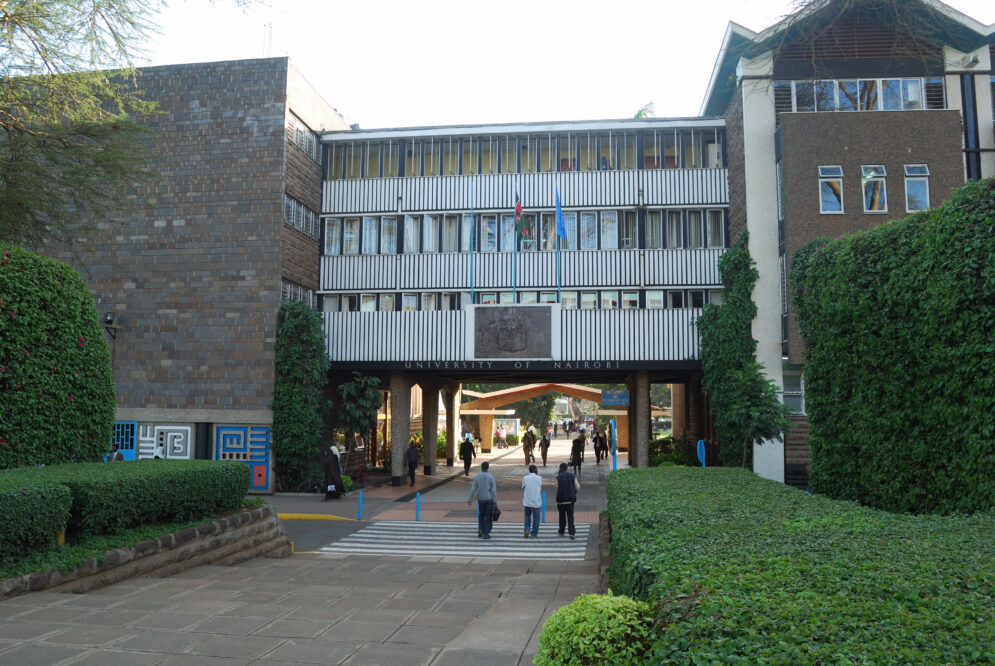
Tiffany’s response came in fast:
“Fun, adventurous… and honestly, every day feels different.”
That last part stayed with me — every day feels different.
What came through from her, and from other Kenyan responses, was a university experience that feels deeply social and community driven. People show up for each other. Friendships are not just a side effect of uni life — they are a big part of the experience itself.
There is also a strong sense of independence that builds naturally. You figure things out. You adapt. You grow through the unpredictability as much as the academics.
Honestly? That energy felt familiar.
Just on a different campus.
South Korea- Structured, Focused, Motivated
Key finding: Academic culture shapes the pace of campus life
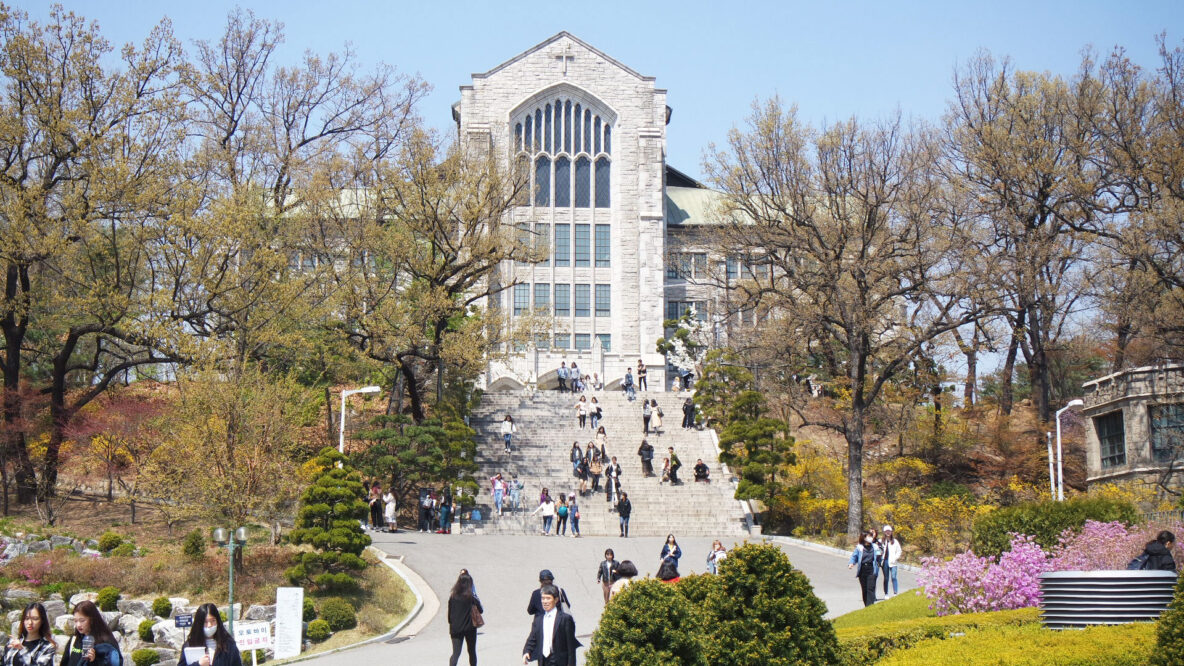
My friend described Korean uni life as highly driven and academically focused.
There’s a strong culture around discipline and study routines, where students are constantly encouraging each other to work hard and stay motivated.
One thing she noticed after coming to La Trobe, though, was the different pace of campus culture here.
At La Trobe, students still work hard – but there’s also visible space for clubs, events, hobbies, and community activities alongside academics.
Not better or worse. Just a different balance.
Hong Kong- Quiet Classrooms, Strong Communities
Key finding: Participation looks different everywhere

Joanna noticed one difference almost immediately after studying here.
At La Trobe, students are often open during tutorials and discussions. Conversations happen naturally, and participation feels encouraged.
Back home, classrooms can be quieter and more structured, with students expressing themselves more through coursework and assessments rather than open discussion.
But the biggest contrast for her was not just academic.
It was the campus community.
The events, clubs, and social activities here made university feel connected in a way she had not experienced before.
It was a reminder that participation does not look the same everywhere — sometimes it is loud and conversational, and sometimes it is quieter but still meaningful.
India- Ambition, Expectations, Determination
Key finding: Expectations often shape the student experience

From Utkarsh, the word that came through most strongly was ambition.
There is a significant focus on academics, performance, attendance, and future goals. Students often balance high expectations while working towards long-term career opportunities.
At the same time, conversations around wellbeing, extracurricular involvement, and campus life are continuing to evolve across many institutions.
It reminded me that access to support systems, social opportunities, and community experiences can vary greatly depending on where students study.
For many students, university is not just about learning. It is also about expectation, pressure, growth, and trying to build a future that feels worth all the effort.
Australia – Supportive, diverse, dynamic
Key finding: Community is built into campus life
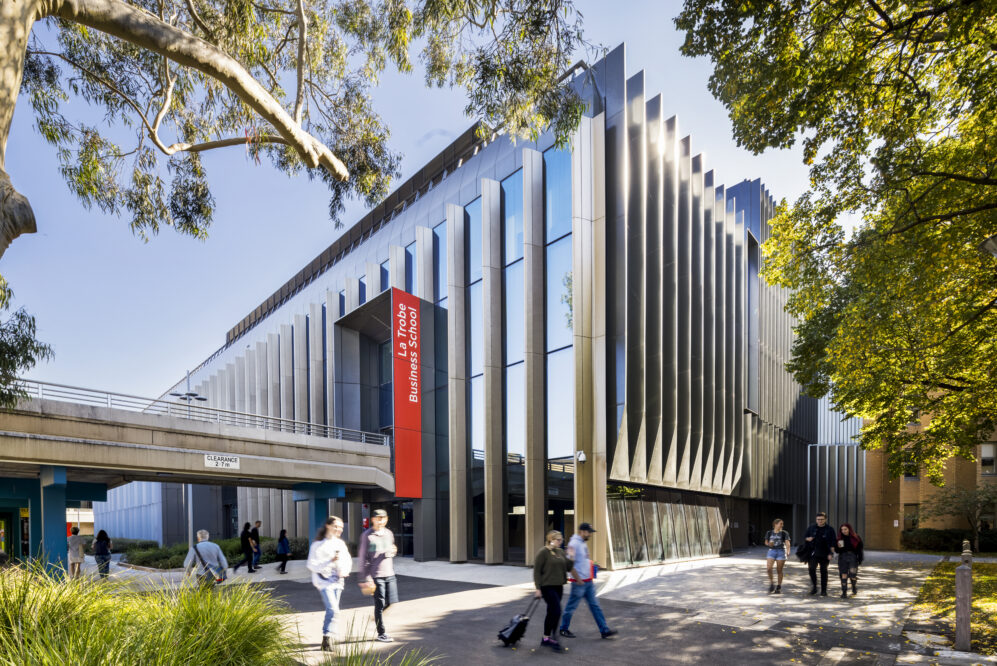
When I asked students at La Trobe the same question, the words that kept coming up were:
Community. Flexibility. Opportunities. Exposure.
And honestly, that feels accurate.
Because somewhere between random campus events, awkward introductions, free food, volunteering, late-night conversations, and meeting people from countries I had never visited before, uni became more than just lectures and assignments.
It became people.
It became the friend who saves you a seat.
The person you meet once at an event and somehow keep running into.
The staff member who remembers your name.
The group chat that starts for an assignment and accidentally becomes emotional support.
And maybe that is what I realised most through these conversations.
No matter where we study, everyone is trying to build something for themselves — friendships, confidence, opportunities, memories, and a version of life that feels a little more their own.
The environments may look different.
The classrooms may sound different.
The expectations may feel different.
But the experience of figuring life out along the way?
That feels surprisingly universal.
Final Thought
These conversations reminded me that university is never just one experience.
It changes depending on where you study, the people around you, the culture you grow up in, and the expectations you carry with you. But across countries, campuses and classrooms, students are often searching for similar things: belonging, growth, confidence, opportunities, memories, and a version of life that feels a little more their own.
And if La Trobe has taught me anything, it is that the best part of uni life is not just where you study.
It is who you become while you are there.